







Modi Urges Putin to End Ukraine War Amid Growing Global Pressure Over Energy Ties
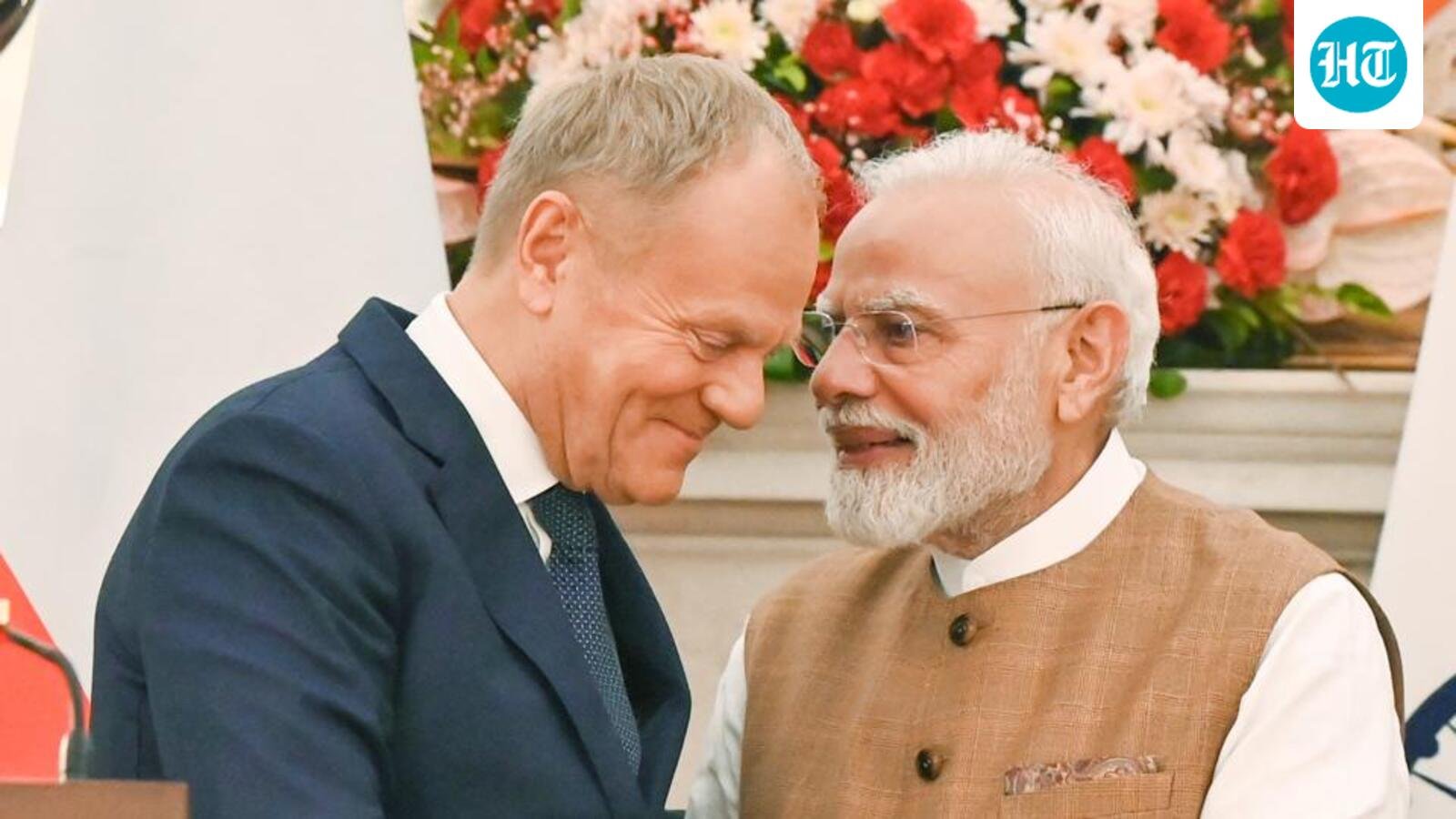
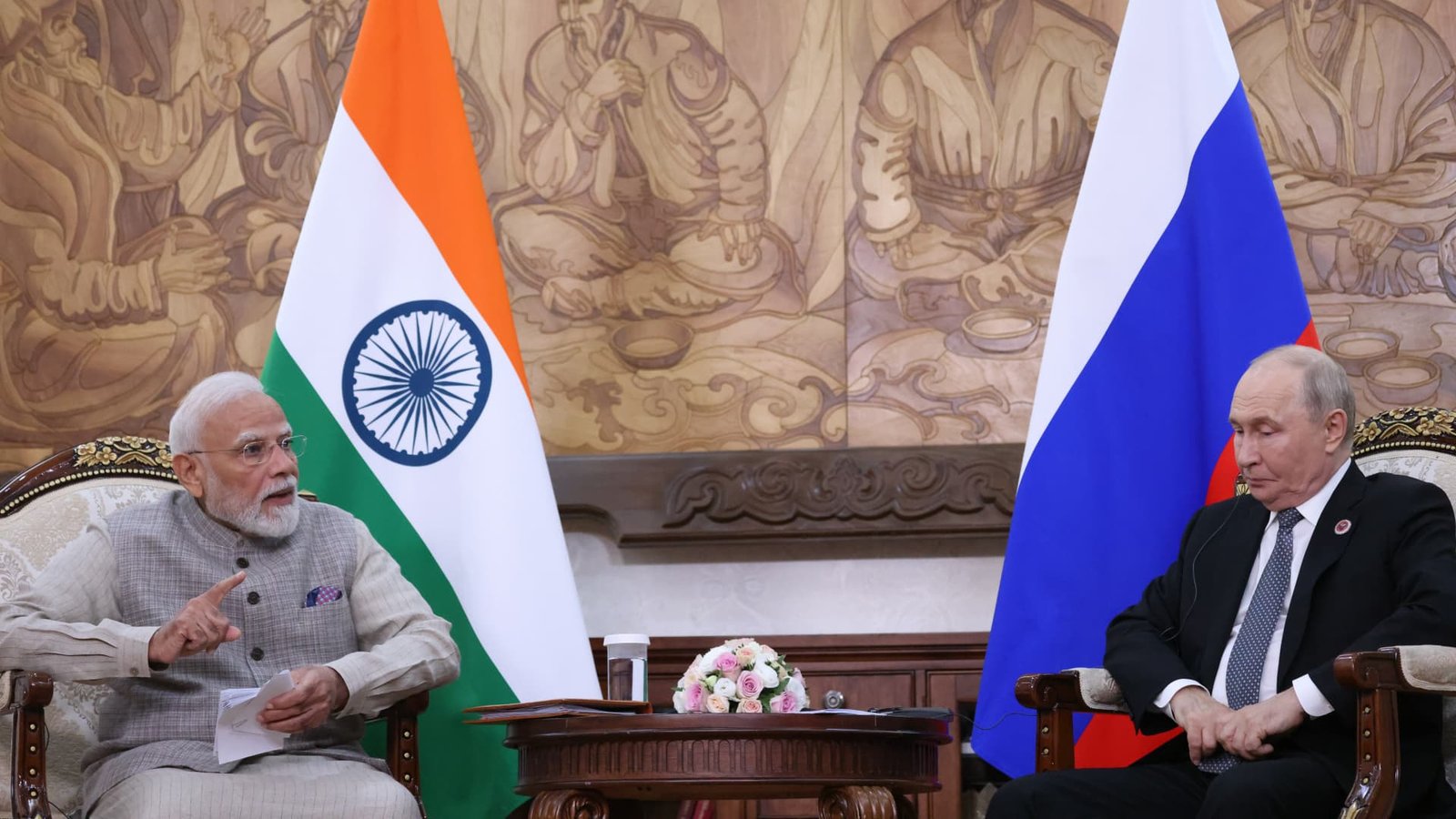
BISHKEK, KYRGYZSTAN — Indian Prime Minister Narendra Modi delivered a pointed message to Russian President Vladimir Putin on the sidelines of the Shanghai Cooperation Organization (SCO) summit, calling for an urgent end to the conflict in Ukraine.
As the war enters a brutal new phase, Modi’s rhetoric marked a significant diplomatic appeal during their high-stakes meeting on Monday. “India supports all peace efforts in this area, and we will continue to do so,” Modi stated. “We must move from endless war to the end of war, to the cessation of hostilities. Every day that the war continues, humanity takes a step backwards.”
The summit comes at a time of heightened volatility. On the same day as the discussions, Russia’s Defense Ministry announced plans for “massive strikes” against Ukraine’s energy infrastructure, raising alarms among international observers that a repeat of last winter’s devastating bombardment is imminent. Recent Russian attacks, including a strike on an ammunition depot that left 38 dead, have already intensified concerns regarding the human cost of the conflict.
A Diplomatic Tightrope
Modi’s call for peace arrives against a backdrop of complex economic realities. While India has maintained a neutral stance on the conflict, its heavy reliance on Russian energy has drawn the ire of Western powers.
According to India’s latest trade data, Russia remains India’s largest crude supplier, accounting for more than 50% of the nation’s oil imports throughout June and July. Despite international pressure, Russian exports to India surged to over $34 billion between April and July—a nearly 60% increase compared to the previous year.
However, these trade ties have come with significant consequences. The U.S. government has ramped up its efforts to deter such partnerships, with the House of Representatives expected to pass a bill later this month honoring Senator Lindsey Graham. The proposed legislation threatens to impose tariffs of up to 100% on countries that continue to be among the top five purchasers of Russian crude oil or gas, a list that currently includes both India and China.
The Impact of U.S. Sanctions
The economic strain of the war is already being felt in New Delhi. In August 2025, U.S. President Donald Trump imposed punitive 25% tariffs on India as a direct response to its energy trade with Moscow, pushing total levies on Indian exports to the U.S. to 50%. While those tariffs were lowered to 18% earlier this year, the U.S. continues to push an alternative energy strategy, aggressively encouraging India to pivot toward Venezuelan crude to replace Russian barrels.
During their meeting, Putin acknowledged the fluctuation in the two nations’ commercial partnership, noting that while bilateral trade has seen significant growth overall, the most recent year experienced a “slight decline.”
As global powers grapple with the ongoing Russia-Ukraine war, the interaction between Modi and Putin underscores the difficult balancing act facing world leaders caught between geopolitical alignment and economic stability. For now, the international community remains focused on whether such diplomatic interventions can lead to a tangible breakthrough in a conflict that continues to challenge global security.