







Council of Europe Convenes in Monaco to Tackle the Intersection of Climate Change and Human Rights
MONACO — As the global community grapples with the escalating impacts of a warming planet, the Committee of Ministers of the Council of Europe has gathered in Monaco for a high-level meeting aimed at addressing the mounting intersection between ecological instability and fundamental freedoms.
The ministerial session, hosted in the Principality, serves as a pivotal platform for the 46 member states to deliberate on the most pressing geopolitical and social challenges of the modern era. Central to this week’s agenda is a dedicated thematic debate titled: “The environmental crisis through the lens of human rights.”
A New Framework for Accountability
For decades, environmental policy and human rights law have largely operated in separate spheres. However, the Council of Europe is increasingly championing the perspective that a healthy, sustainable environment is a prerequisite for the enjoyment of life, health, and dignity—rights enshrined in the European Convention on Human Rights.
The thematic debate seeks to explore how international legal frameworks can be modernized to hold stakeholders accountable for environmental degradation that disproportionately affects vulnerable populations. Discussions are expected to focus on the rising tide of climate-induced displacement, the health risks posed by pollution, and the erosion of biodiversity as a direct threat to the socio-economic stability of European citizens.
Bridging Policy and Action
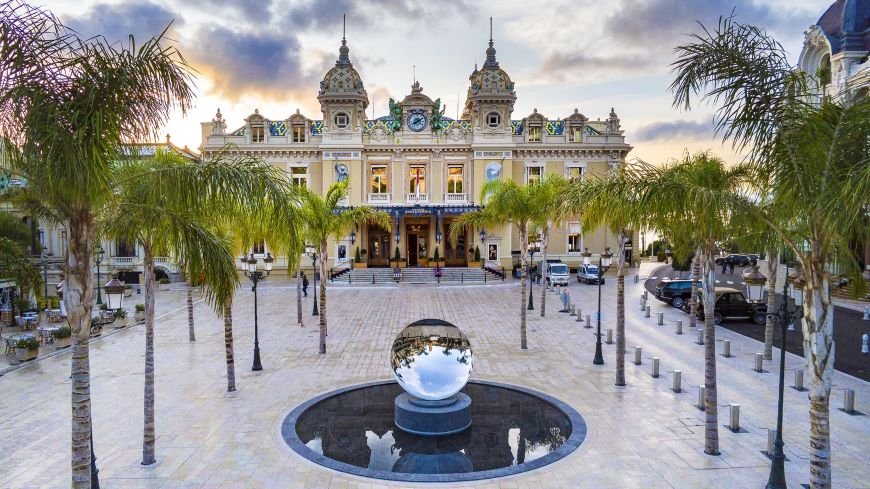
The choice of Monaco as the host city underscores the Principality’s long-standing commitment to marine conservation and sustainable development. By convening the permanent representatives of the member states, the Council of Europe aims to foster a unified strategy that transcends borders.
“The environmental crisis is no longer a future threat; it is a current human rights emergency,” noted participants ahead of the session. The dialogue is designed to encourage member states to integrate environmental protection into their national legal standards, ensuring that climate action is not merely a policy goal, but a binding obligation to protect future generations.
Looking Ahead
As the meeting progresses, observers expect the Council to emphasize the need for “climate justice,” particularly as legal challenges regarding government inaction on climate change continue to rise in courts across Europe. By prioritizing this thematic debate, the Council of Europe reinforces its role as a leading voice in ensuring that the green transition is both equitable and anchored in the protection of human dignity.
The conclusions drawn from this Monaco summit are expected to shape the Council’s roadmap for the coming year, influencing how member states approach the dual mandates of ecological preservation and the safeguarding of civil liberties.