







How AI Is Turning American Factories Into High-Tech Powerhouses
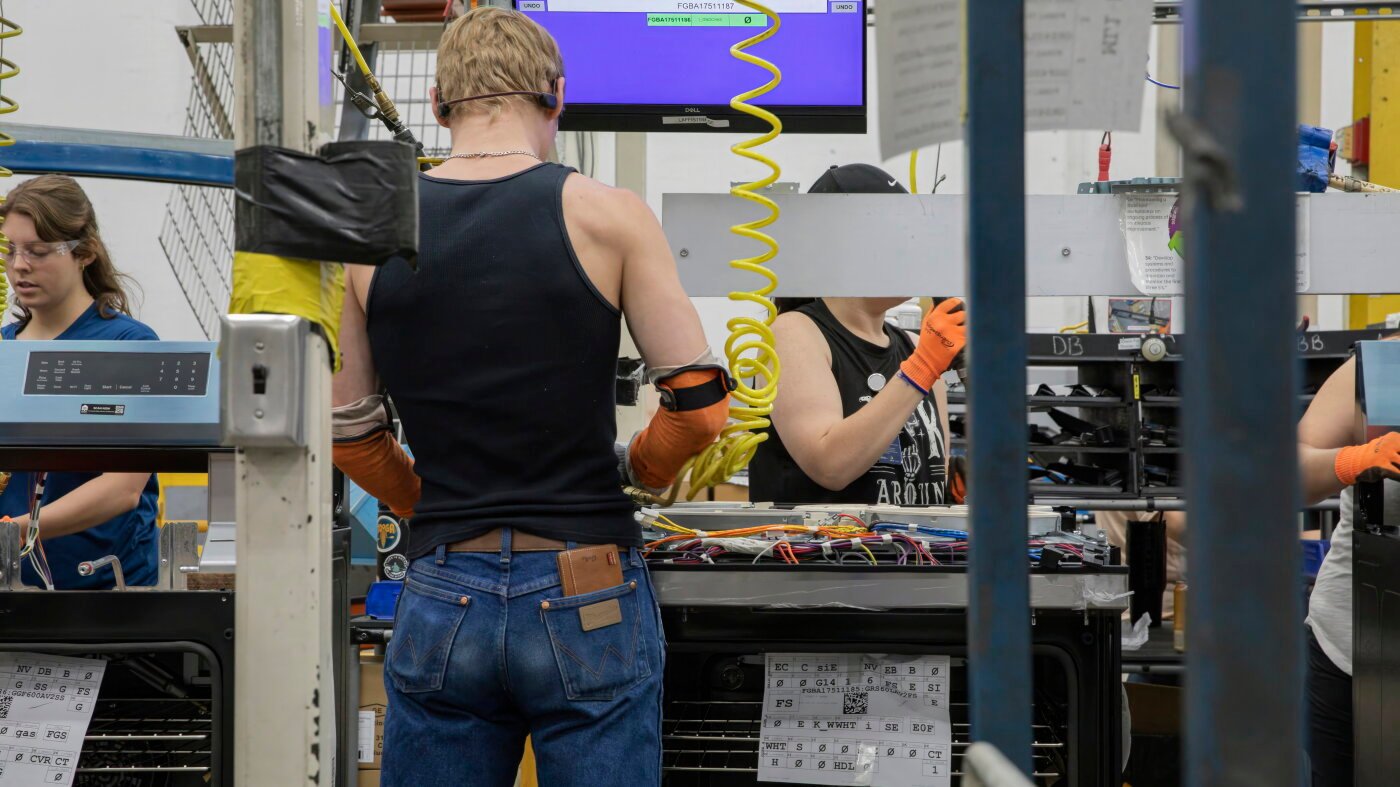
LAFAYETTE, Ga. — On the floor of the Roper Corp. plant in northwest Georgia, the hum of traditional assembly lines is increasingly punctuated by the sharp, rhythmic sounds of a modern industrial revolution. Owned by GE Appliances, this facility has replaced manual oversight with a sophisticated network of autonomous vehicles, robotics, and an pervasive layer of AI-powered sensors that treat precision as the ultimate operational objective.
For plant director Tony Gabbert, the technology is a game-changer. “We have these things everywhere out here,” he says, gesturing to the array of cameras monitoring the assembly process. The system is programmed to detect the slightest anomaly—such as an incorrectly installed gasket on an oven—and immediately trigger a plant-wide alert, complete with blaring rock music to signal operators to the exact location of the bottleneck.
The Pursuit of Perfection
In a global market where American factories face intense pressure from overseas competitors, the margin for error has effectively vanished. Manufacturers are no longer relying solely on human vigilance to maintain quality; they are leaning on artificial intelligence to achieve a state of near-perfect production.
“We’re not shooting for 97 [percent success]. We want to run 100 every day,” Gabbert notes. The stakes are immense: according to Bill Good, GE Appliances’ vice president of manufacturing, every single percentage point of improvement in efficiency translates to savings between $1.5 million and $2 million annually.
A Data-Driven Transformation
The backbone of this shift is the “Brilliant Factory” platform, which has been collecting data through localized sensors for over a decade. By processing millions of data points every day, the system provides a real-time diagnostic view of operations across the company’s nine major appliance plants.
“In the old days, I would call my plant manager and say, ‘How are you running today?'” Good explains. “Now, I’ll call them and ask, ‘Why are you running so poorly?'”
This granular visibility allows leadership to track everything from machine performance to scrap costs. Perhaps most importantly, the AI can predict hardware failures before they occur. By identifying a motor running at an abnormal temperature, for instance, the system allows for preventative maintenance, averting costly shutdowns that can burn through $300 to $500 in lost productivity every minute.
The Human-AI Partnership
While the technology may seem like it could eventually marginalize the human workforce, executives argue the opposite is true. For Bill Good, who has spent nearly 40 years in the industry, the AI acts as a sophisticated force multiplier that helps bridge the knowledge gap for younger, less experienced employees.
“It can outthink me,” Good admits, though he remains confident about the future of human labor in the facility. Rather than replacing workers, he believes AI is the very engine keeping the company competitive on U.S. soil. By optimizing staffing levels and forecasting market demand to allow for agile, last-minute production shifts, the company has remained resilient.
In fact, the company recently announced a $180 million expansion in Georgia, creating 600 new jobs. For the team at GE Appliances, the rise of AI in manufacturing is not a threat to the worker, but a strategic necessity. “You have to be faster, better, more flexible,” Good says. “That’s the only thing that neutralizes the threat.”