








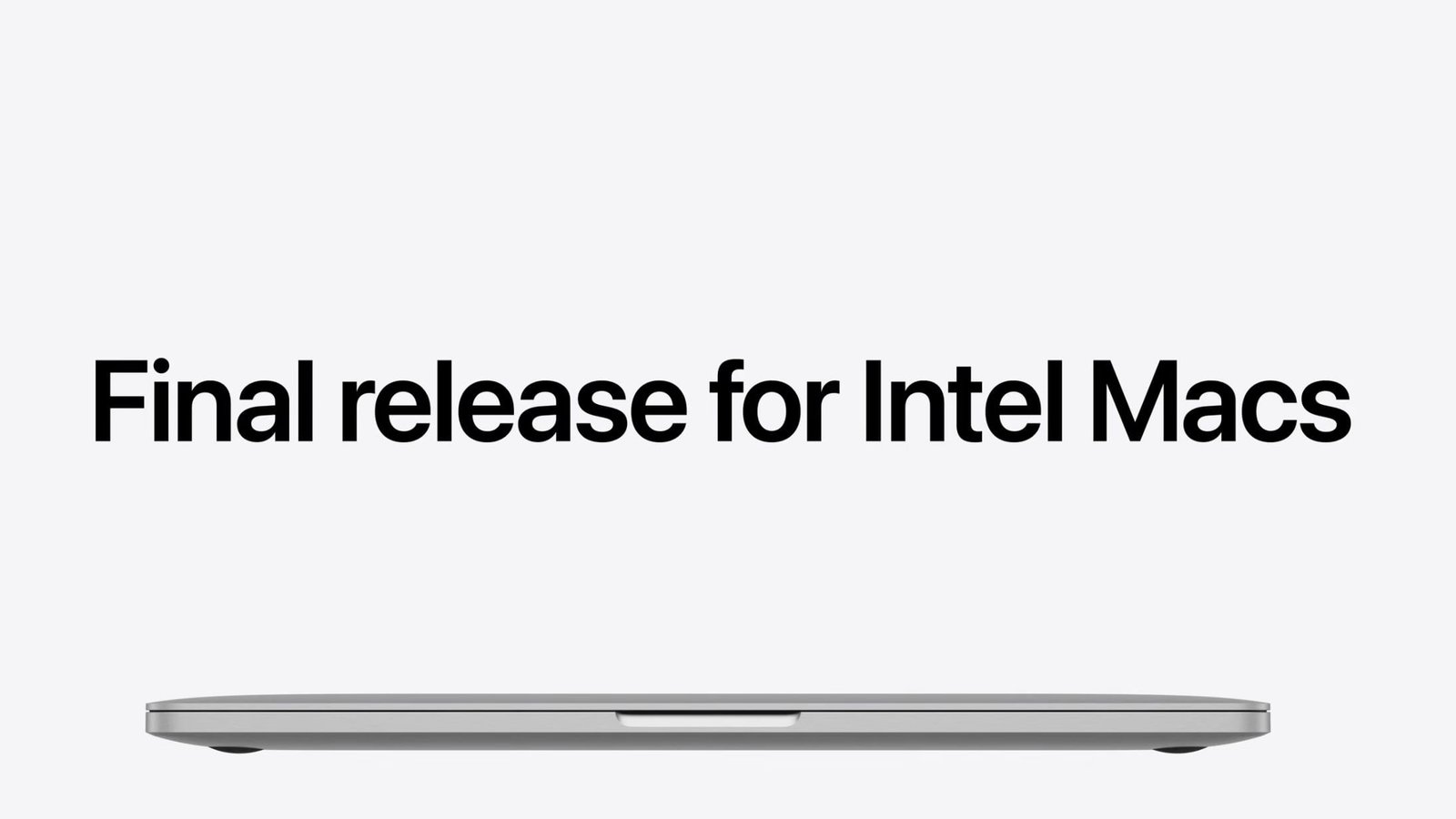
Apple Accelerates Post-Intel Transition for Mac App Store Developers
Apple has officially opened the door for developers to move away from legacy hardware, informing them that universal applications requiring macOS 13 or later may now drop support for Intel-based Mac computers.
In a communication sent to the developer community, Apple stated that removing support for older, Intel-powered machines will allow creators to “simplify your development and optimize your download and on-device size.” This policy shift marks a significant departure from previous App Store guidelines, which had previously mandated that apps maintain compatibility with Intel hardware if they were intended to be universal.
The End of the Intel Era
For Mac users still operating on Intel processors, this change means that many apps will effectively cease receiving updates. While users will retain the ability to keep and run the last version of an app that supported their hardware, they will lose access to new features, security patches, and performance improvements found in subsequent iterations.
The move is the latest step in Apple’s multi-year transition toward its proprietary silicon. Industry analysts note that Mac App Store developers are being encouraged to sunset support as the macOS ecosystem moves exclusively toward Apple Silicon.
The division is becoming increasingly clear with the latest software iterations:
- macOS Tahoe is officially recognized as the final version of the operating system to support Intel-based architecture.
- macOS Golden Gate is restricted entirely to Macs equipped with the M1 chip or newer, leaving no room for Intel-based hardware.
Phasing Out Rosetta 2
Beyond ending support for Intel-native apps, Apple is also beginning to phase out Rosetta 2, the translation layer that enabled Intel-based apps to run on Apple Silicon Macs.
According to reports, Rosetta support will be discontinued for the vast majority of applications following the release of macOS Golden Gate. Once this transition is complete, any remaining apps that rely solely on Rosetta will fail to launch on Apple Silicon. Apple has indicated it will provide limited exceptions for specific, older gaming titles that rely on legacy Intel frameworks, but for the wider software ecosystem, the window for translation-based compatibility is closing rapidly.
As Apple continues to tighten its focus on hardware-software integration, the sunsetting of Intel support serves as a clear signal that the company is eager to shed the architectural constraints of the past to fully embrace the performance advantages of its own silicon.