








Dussehra 2024: India Gears Up for the Triumphant Return of Good Over Evil
As the autumn air turns crisp across the Indian subcontinent, the nation finds itself enveloped in the vibrant energy of the festive season. Following the nine-night marathon of devotion known as Navratri, millions of Hindus are preparing to observe Dussehra—a day that stands as a powerful testament to the moral foundations of the ancient epic, the Ramayana. Marked by the lunar calendar, this auspicious day signifies the culmination of a period of reflection, fasting, and rhythmic celebration.
The Epic Retold: The Magic of Ramlila
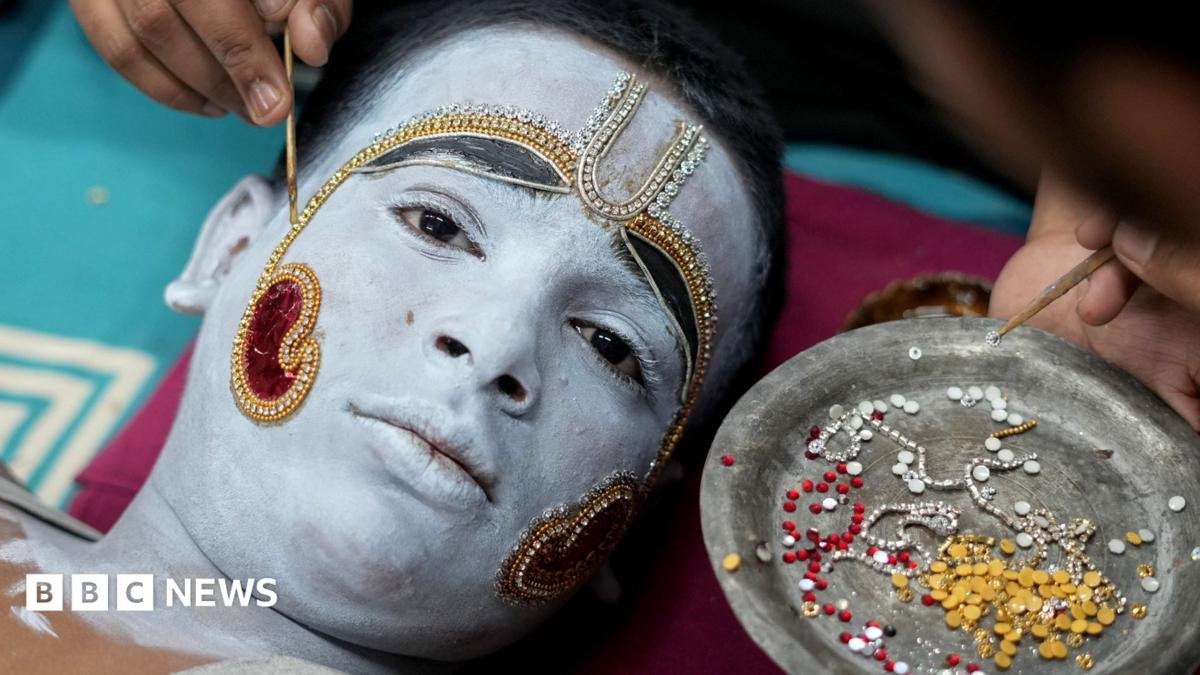
In the heart of northern India, the weeks leading up to Dussehra are defined by the atmospheric sounds of “Ramlila.” This dramatic performance art transforms neighborhood grounds into makeshift theaters where the timeless tale of Lord Ram is brought to life. Through weeks of intense rehearsals, local performers don intricate costumes and heavy stage make-up to inhabit the roles of beloved deities and formidable villains.
The narrative journey is one that every child in the country grows up hearing: the tragic exile of Prince Ram, the treacherous abduction of his wife Sita by the demon king Ravan, and the subsequent war that restored righteousness to the world. For the audience, watching these scenes unfold is not merely about entertainment; it is an annual reinforcement of cultural values, underscoring the necessity of truth and duty in the face of adversity.
The Symbolic Finale: Burning the Effigies
The climax of the festival arrives on the evening of Dussehra, when the skies over designated maidans—vast open fields—are lit up by the glow of massive pyres. Three towering effigies, representing the demon king Ravan, his brother Kumbhkaran, and his son Meghnath, stand as symbols of ego, greed, and malevolence.
As the sun sets, these towering structures are set ablaze. The sight of the burning effigies serves as a cathartic moment for the gathered crowds, symbolizing the destruction of the darker aspects of human nature. The cheers of the onlookers as the structures collapse provide a visceral reminder of the underlying theme of the festival: the inevitable victory of virtue over vice.
A Carnival of Culture and Community
Beyond the religious and moral significance, Dussehra acts as a massive social catalyst. The grounds surrounding the Ramlila stages often resemble bustling carnivals. The air is thick with the scent of traditional snacks, from deep-fried street delicacies to sweet, sugary treats that define Indian festivities.
Children weave through the crowds, clutching colorful toys, while families enjoy rides that have become a staple of these pop-up fairs. This sensory experience—a blend of ancient storytelling and modern communal revelry—strengthens the fabric of local neighborhoods. As India prepares for the final countdown, the message of Dussehra remains clear: while the challenges represented by the villains of old may change form, the collective human endeavor to pursue the path of righteousness remains eternal. Whether in bustling metropolitan centers or quiet village squares, the spirit of the day remains a shared beacon of light in the Indian cultural landscape.
Disclaimer: This content is auto-generated for informational purposes only.
Source: Read Original News