







New Zealand Expands Trade Horizon as India Tariff Cuts Take Effect
In a significant shift aimed at bolstering economic resilience, New Zealand has announced a strategic push to deepen commercial ties with Brazil and Canada. This pivot comes as Wellington moves to diversify its export portfolio in response to persistent global economic volatility, while simultaneously celebrating the implementation of a landmark trade arrangement with India.
New Milestone in India-New Zealand Trade
The most immediate development in Wellington’s trade agenda is the activation of new tariff concessions with India. Starting this week, more than 50% of New Zealand’s exports to the Indian market have become tariff-free. This figure is projected to climb to 82% as the agreement matures, marking a transformative period for bilateral trade relations.
The removal of tariffs specifically targets key New Zealand commodities, including sheep meat, wool, and coal. Furthermore, high-value agricultural exports such as kiwifruit, apples, and milk albumins have secured preferential quota access.
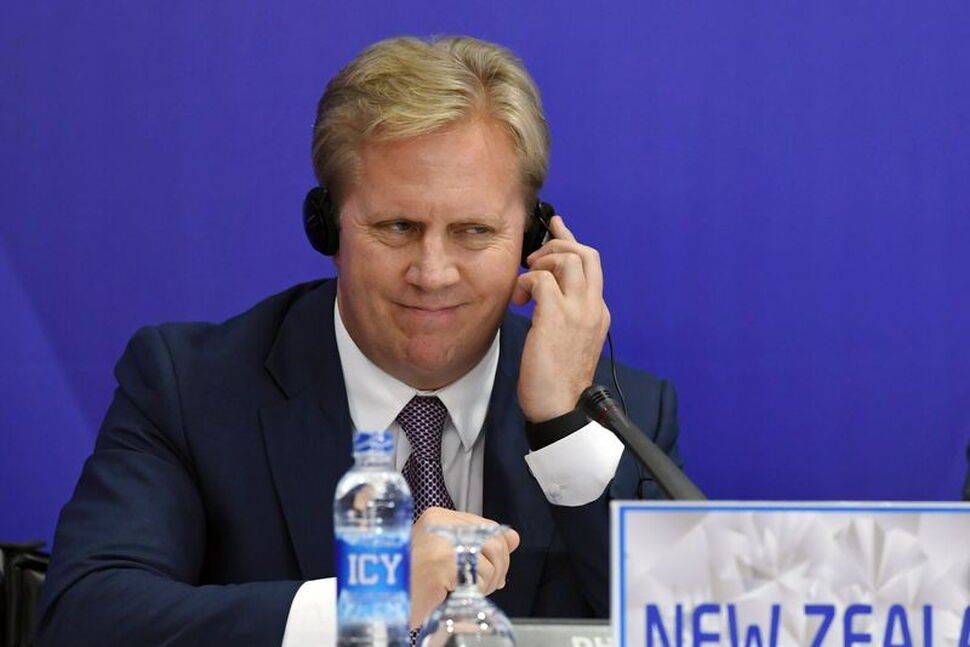
Trade and Investment Minister Todd McClay emphasized the far-reaching positive impacts of these changes, noting that the benefits extend well beyond the immediate exporters. “The gains go well beyond exports. They reach suppliers, local businesses and the towns that depend on them,” McClay stated, highlighting the importance of the Indian market to New Zealand’s domestic economic landscape.
Diversification Efforts: Brazil and Canada
While the Indian market opens up, the New Zealand government is concurrently laying the groundwork for stronger partnerships in the Americas. With a general election looming on November 7, the current administration is positioning these diplomatic efforts as central pillars of its long-term objective to double the total value of the nation’s exports by 2034.
The government’s plan involves a two-pronged strategy:
- Brazil: Wellington intends to initiate a formal Trade and Investment Dialogue. This platform will focus on streamlining trade flows, enhancing mutual investment, and coordinating stances on critical issues like World Trade Organization (WTO) reform. Officials expect the inaugural session to take place following the conclusion of Brazil’s upcoming election runoff and New Zealand’s own national vote.
- Canada: New Zealand will formalize a structural relationship with Ottawa through an annual dialogue involving senior officials. These meetings are intended to set the stage for recurring high-level discussions between the two nations’ trade ministers, ensuring that trade barriers are minimized and market access is optimized.
A Vision for 2034
The push for broader export horizons is largely a response to the unpredictable nature of the current global economy. By spreading its trade interests across India, Brazil, and Canada, New Zealand aims to mitigate the risks associated with over-reliance on any single market.
Minister McClay’s announcement serves as a key campaign promise, framing the economic roadmap as essential for securing New Zealand’s prosperity over the coming decade. As the country approaches the November polls, the focus remains on transforming these diplomatic dialogues into tangible economic opportunities. For local producers and businesses, the message from Wellington is clear: the path to growth lies in deeper integration with some of the world’s most promising and diversified economies.
Disclaimer: This content is auto-generated for informational purposes only.
Source: Read Original News