







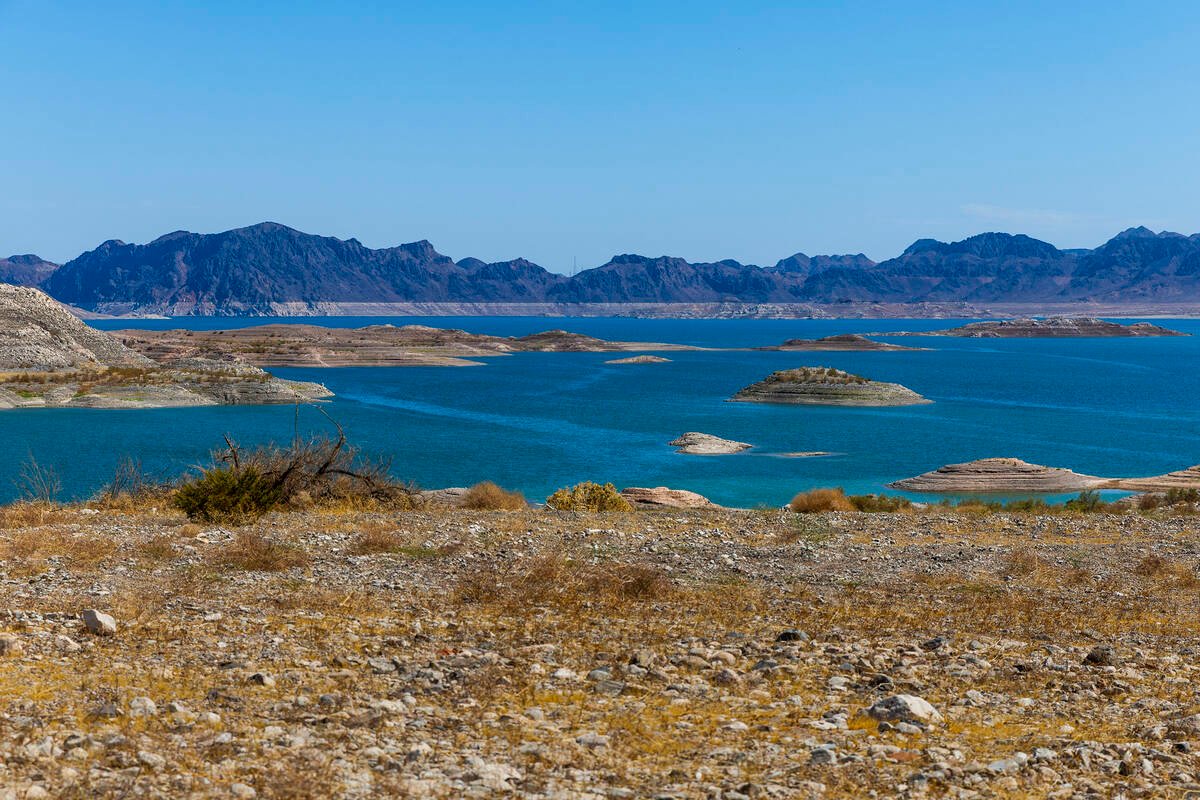
For decades, Rep. Dina Titus has witnessed the rhetoric surrounding Western water shift from a conversation defined by abundance to one dominated by the stark reality of scarcity. As Lake Mead’s water levels plummet, the reservoir has transitioned from a vital utility into a haunting symbol of environmental imbalance and systemic overuse.
At a roundtable discussion held Monday at the Las Vegas Valley Water District, Titus convened a panel of experts to address the persistent water woes facing Southern Nevada. While headlines frequently highlight the record-low elevations of the Colorado River, experts emphasized that the region possesses the necessary tools to navigate the crisis—though the implementation of these solutions comes with a significant price tag.
Titus acknowledged the tension brewing among constituents who feel burdened by conservation mandates. “I hear from constituents who say, ‘Well, they’re just taking my water to give it to somebody else. They’re not just really saving water. They’re just moving water around,'” Titus said. “How do you answer to that?”
Colby Pellegrino, deputy general manager of resources at the Southern Nevada Water Authority (SNWA), addressed the friction between conservation and population growth. She noted that since 2002, the region has implemented rigorous, common-sense measures that allowed per-capita water use to plummet even as the valley welcomed hundreds of thousands of new residents. According to the SNWA, water-efficient growth is central to the region’s long-term security.
Pellegrino also sought to clarify the cause of the valley’s environmental strain, specifically addressing public concerns regarding tree loss. While some residents blame mandatory grass removal—driven by a 2021 state law—for the decline in local greenery, Pellegrino argued that data points to rising temperatures as the primary driver of tree mortality.
The urgency of the discussion is compounded by an ongoing legal standoff. The federal government, citing record-low flows, has asserted its authority to cut Nevada’s water allocation by up to 71 percent over the next decade. The state is currently challenging this plan, a legal fight that recently drew the intervention of Arizona as an interested party.
To avoid such drastic cuts, Titus is among a coalition of 12 Western lawmakers urging Congress to authorize a new round of drought mitigation funding, mirroring a successful $4 billion investment from the Biden administration. Business organizations across all seven Colorado River states have echoed this call, advocating for at least $2 billion in federal support.
Pellegrino suggested that if secured, these funds should prioritize “durable solutions” over temporary fixes. She advocated for strengthening existing programs, such as industrial cooling system upgrades, irrigation audits, and regional water recycling initiatives, such as the effort to incorporate Boulder City into the broader wastewater infrastructure. Additionally, the SNWA remains engaged in discussions regarding potential water transfers from desalination plants in California.
Beyond water supply, the crisis poses a significant threat to energy production. Gail Bates, director of hydropower at the Colorado River Commission of Nevada, warned that Lake Mead is nearing a critical threshold. If the elevation drops just two more feet, only four of the dam’s 17 turbines will remain operational. While large urban centers like Las Vegas have diverse energy portfolios, rural utilities across the West face the prospect of severe generation gaps. Although Congress has funded the installation of turbines capable of operating at lower water levels, these are not expected to be operational until 2029.
“We’re going to have a couple of tough years of some fairly low output if the current hydrology continues the way it is,” Bates said. “We’re weathering the storm in terms of hydropower generation output.”
Disclaimer: This content is auto-generated for informational purposes only.
Source: Read Original News