






DOJ Expands Antitrust Investigation into Beef Prices to Include Major Retailers
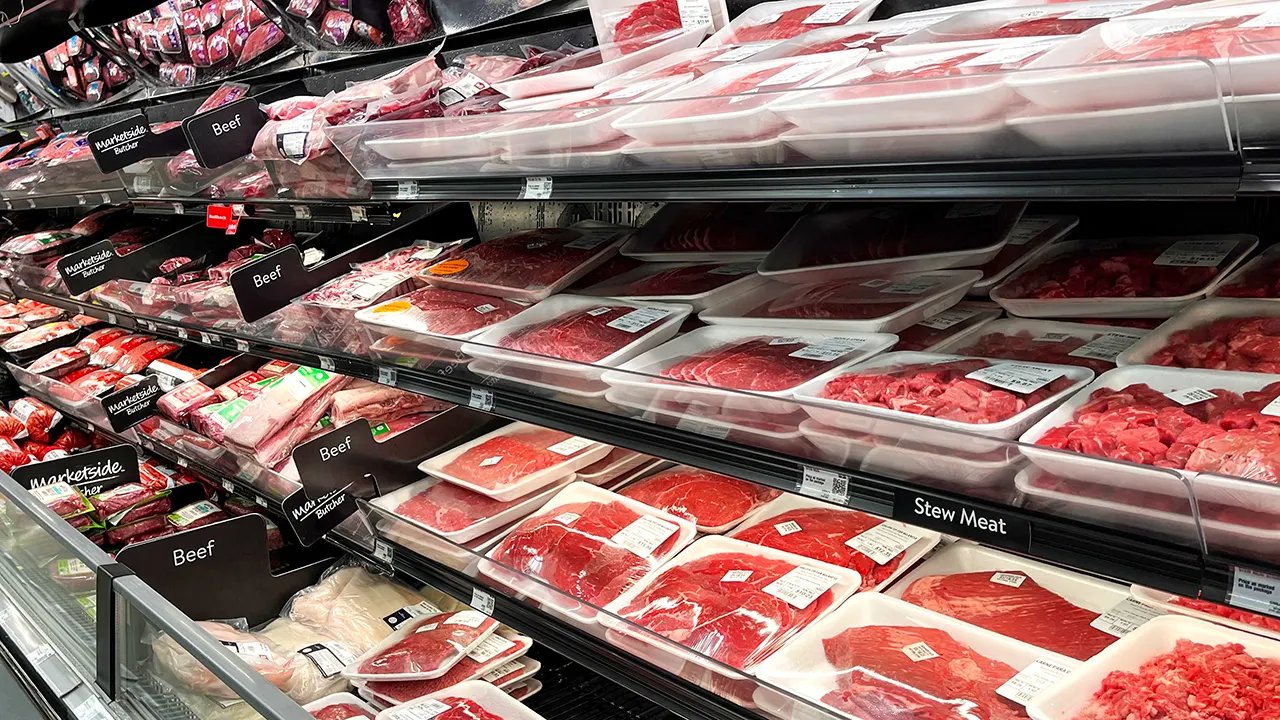
In an aggressive move to address soaring food costs for American families, the Department of Justice (DOJ) Antitrust Division announced on Tuesday that it has expanded its investigation into the beef supply chain to include eight of the nation’s largest grocery retailers.
The move marks a significant escalation in the federal government’s oversight of the food industry. Previously, the DOJ had focused its scrutiny on the “Big Four” meatpackers—JBS, Cargill, Tyson Foods, and National Beef—which control more than 85% of the U.S. beef processing market. By shifting its focus to the retail level, the department is now examining the entire journey from the processing plant to the grocery shelf.
Companies Under Review
Associate Attorney General Stanley E. Woodward Jr. confirmed that the agency has sent formal letters to eight retail giants regarding “recent increases in the retail price for beef.” The companies included in the expanded investigation are:
- Kroger
- Publix
- Walmart
- Albertsons
- Aldi
- Ahold Delhaize
- Costco
- Amazon
The DOJ emphasized the importance of the issue on social media, stating, “Beef prices are a critical concern to Americans, and a priority for this Justice Department.”
Market Concentration and Whistleblower Incentives
The investigation seeks to determine whether extreme market concentration—both at the processing and retail stages—is artificially inflating consumer costs. Since launching its initial probe in May, the DOJ has been reviewing more than 3 million documents and interviewing industry stakeholders.
To bolster its efforts, the department is leveraging a whistleblower rewards program. Attorney General Todd Blanche recently highlighted that individuals who provide information leading to successful enforcement actions—specifically those resulting in criminal penalties exceeding $1 million—could be eligible for rewards ranging from 15% to 30% of recovered funds.
Industry Pressures and Policy Disputes
The federal inquiry comes amid a backdrop of significant supply constraints. Agriculture Secretary Brooke Rollins noted that as of January 1, the U.S. cattle and calf population had fallen to approximately 86.2 million head, marking the lowest level seen since the 1950s.
This supply crunch has become a focal point of recent political debate. President Donald Trump recently signaled his intent to bypass traditional meatpacking dominance by authorizing legal avenues for farmers and ranchers to process their own food. This initiative is designed to circumvent the intermediaries that producers blame for the “beef price squeeze.”
The President’s plan follows tension in agricultural circles regarding his administration’s proposal to allow the duty-free import of 300,000 metric tons of foreign beef. While intended to provide immediate price relief for shoppers, the move faced pushback from domestic producers concerned about the long-term impact on the industry.
As the DOJ expands beef price investigation, federal officials continue to grapple with the complex balance between maintaining food security, supporting American ranchers, and keeping essential protein staples affordable for the public.
Representatives for the targeted grocery retailers have been contacted for comment.