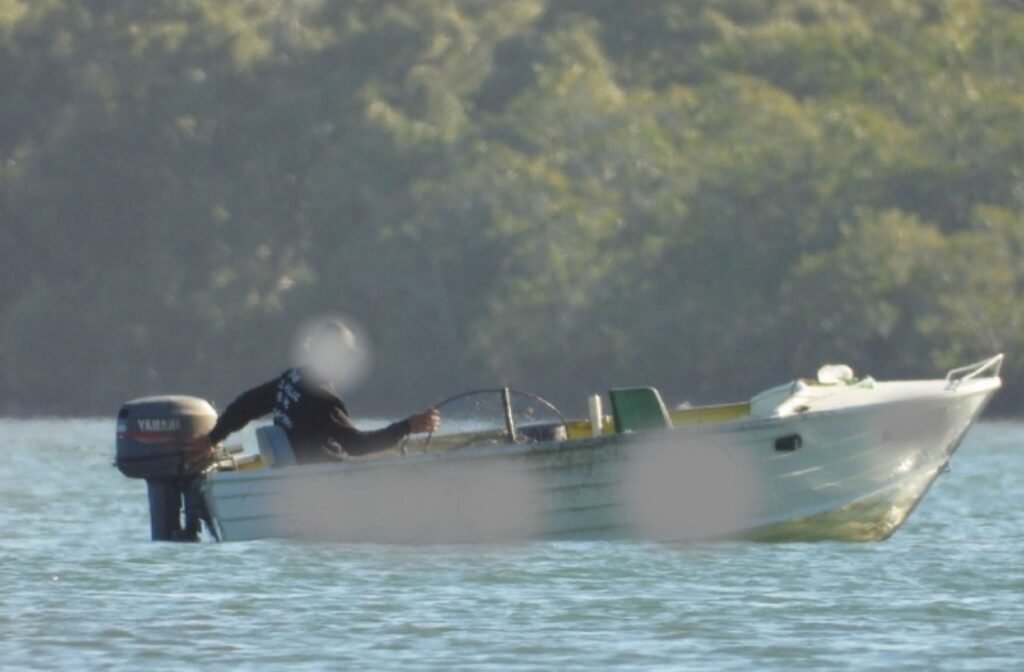







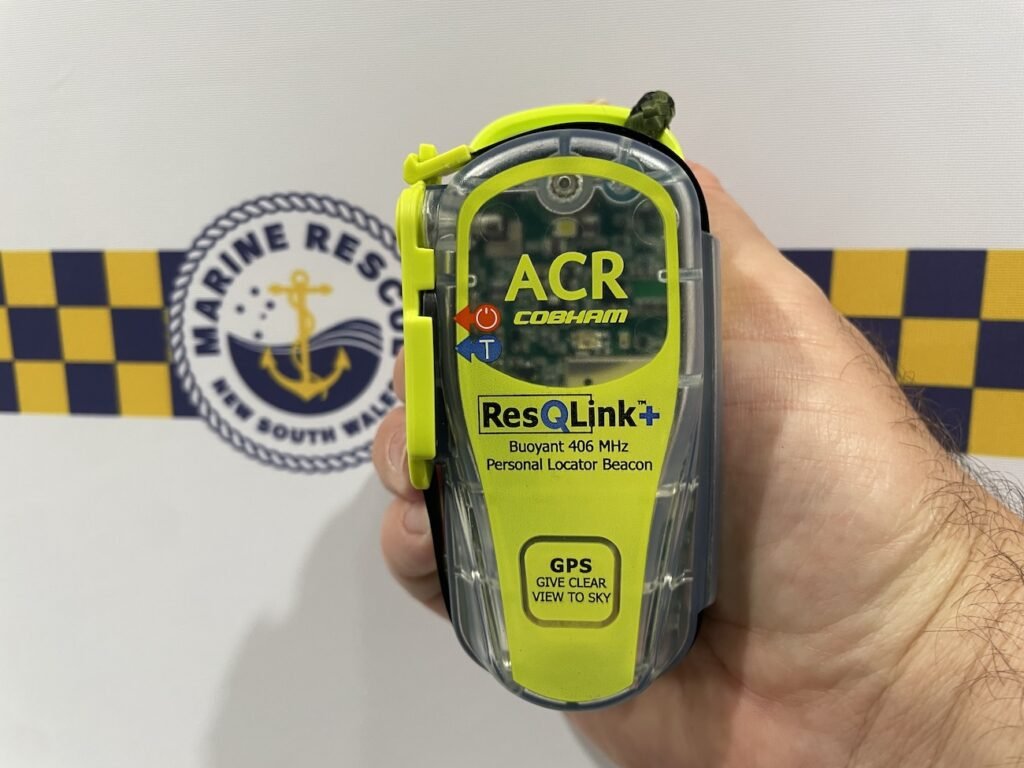
Two anglers are breathing a sigh of relief today after a dramatic offshore rescue operation saved their lives when their vessel capsized 46 kilometres off the New South Wales coast on Monday, October 12.
The incident, which occurred in challenging conditions, serves as a stark reminder of how essential safety technology and digital connectivity are becoming in the marine search and rescue sector. Authorities credit the rapid response to a combination of satellite-based positioning technology and the proactive use of digital reporting tools.
The Role of Satellite Technology in Survival
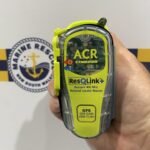
The rescue was initiated when the Australian Maritime Safety Authority (AMSA) received an emergency signal from a Personal Locator Beacon (PLB). This technology, which uses satellite networks to transmit precise coordinates to rescue coordination centres, was the deciding factor in the men’s survival.
Marine Rescue NSW Inspector Steve Allan emphasized that without the PLB, the anglers would have been left drifting in a volatile marine environment for hours. As conditions shifted to include a 1–2 metre swell and 25-knot winds, the danger to the men increased exponentially. While the volunteers from Marine Rescue Bermagui were dispatched immediately, it was the Westpac Lifesaver Rescue Helicopter that was able to pinpoint the beacon’s signal first. The crew winched the men to safety, highlighting how satellite-linked distress hardware acts as a vital bridge between disaster and rescue.
Leveraging Digital Ecosystems for Boating Safety
Beyond physical emergency hardware, the rescue underscored the growing importance of integrated digital safety ecosystems. Before departing, the anglers had logged their trip details using the Marine Rescue NSW digital platform.
Modern boating safety is increasingly reliant on mobile applications and real-time connectivity. Similar to how tech giants leverage data and cloud infrastructure to track assets or provide location services, Marine Rescue NSW utilizes its app and VHF channel monitoring to create a “digital tether” for boaters. By logging on, users provide authorities with critical metadata—such as departure points, planned routes, and expected return times. In this case, the decision to use the digital logging system ensured that had the PLB failed, search teams would have possessed accurate search parameters, significantly reducing response times.
AI and Data-Driven Rescue Operations
The maritime sector is currently witnessing an integration of advanced navigation, weather tracking, and AI-driven monitoring tools that improve decision-making during high-stakes incidents. While the rescue of the two anglers relied on manual reporting and satellite alerts, the infrastructure supporting these missions is evolving.
Agencies are increasingly looking at AI to analyze weather patterns and drift projections to optimize search paths more efficiently than traditional methods. As these technologies become more accessible to recreational boaters, the focus remains on the “layers of safety” concept. Inspector Allan reinforced that safety is not reliant on a single piece of tech but a “stack” of precautions:
- Connectivity: Logging trips via mobile apps or VHF radio.
- Alerting: Ensuring a registered PLB or EPIRB is always on board.
- Preparedness: Wearing lifejackets and monitoring shifting weather data via digital forecasting tools.
“When something like this happens, you are relying on your safety equipment,” Inspector Allan said. “The decision to carry the right gear and utilize digital log-on services turned what could have been a tragedy into a successful search and rescue operation.”
As boating continues to attract more hobbyists, the convergence of marine tradition and modern digital safety standards remains the most effective strategy for preventing loss of life on the water.
Disclaimer: This content is auto-generated for informational purposes only.
Source: Read Original News