





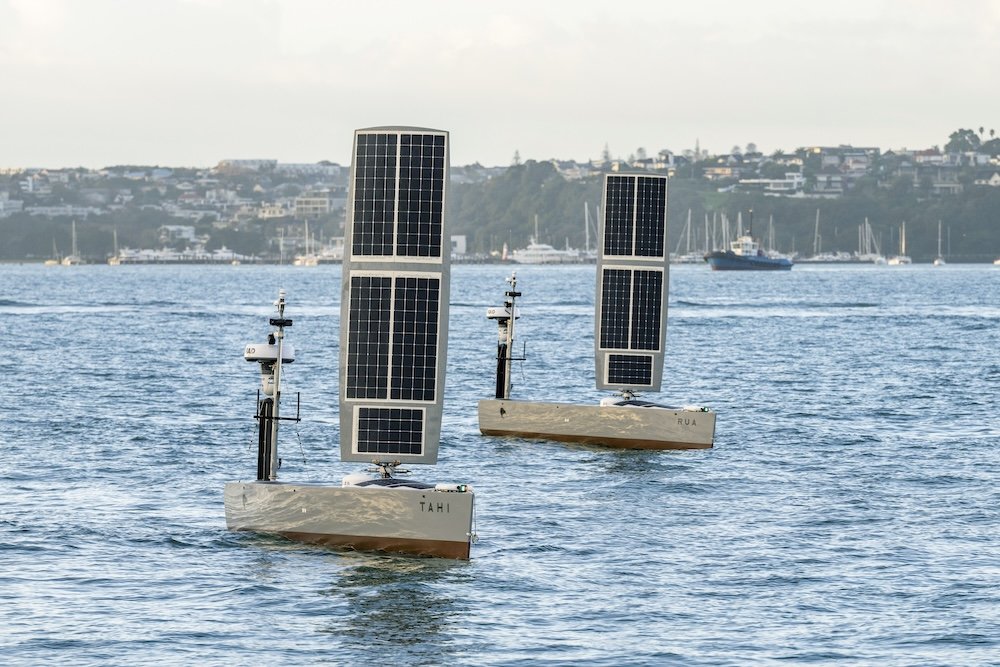
Ocius Technology has officially expanded its footprint into the international market with the inauguration of its first overseas maritime maintenance hub in Auckland, New Zealand. The new facility, operated by the company’s subsidiary Ocius New Zealand (Ocius NZ), is designed to provide dedicated technical support and onshore maintenance for the Royal New Zealand Navy’s fleet of Bluebottle Uncrewed Surface Vessels (USVs).
This strategic move marks a significant milestone for the Australian-based firm as it scales its operations to meet the rising demand for autonomous surveillance technology across the Pacific. By establishing a permanent base in Auckland, Ocius aims to drastically reduce turnaround times for vessel maintenance, ensuring that the Navy’s autonomous assets spend more time at sea performing critical intelligence, surveillance, and reconnaissance (ISR) tasks.
The Rise of Autonomous Maritime Tech
The deployment of Bluebottle USVs represents a broader shift in global defence strategy, where nations are increasingly turning to uncrewed systems to monitor vast, contested, or remote ocean territories. Powered by a combination of solar, wind, and wave energy, these vessels provide a persistent, low-cost, and sustainable alternative to traditional crewed patrols.
In an era where border security and the disruption of transnational organised crime have become top priorities for Pacific nations, the ability to maintain a 24/7 presence at sea is invaluable. The Bluebottles serve as a force multiplier, providing real-time surface and sub-surface data that can be integrated into broader naval surveillance networks. The success of these systems has prompted further investment from regional powers; in early 2026, the Australian Government committed $176 million to bolster its own Bluebottle fleet, signalling a long-term commitment to this Australian-developed technology.
Enhancing Regional Maritime Security
The collaboration between Ocius and the Royal New Zealand Navy is not new, but the opening of the Auckland facility formalises a two-year relationship. Chief of Navy, Rear Admiral Garin Golding, emphasised that for a maritime nation like New Zealand, possessing sophisticated, autonomous eyes on the water is essential for national security.
“USVs are an important part of the Defence Force’s move towards smarter, more sustainable maritime surveillance,” Rear Admiral Golding noted during the launch ceremony. The local maintenance capability means that vessels like the Navy’s Tahi and Rua can be serviced and returned to duty rapidly, ensuring that there are no gaps in the surveillance coverage of New Zealand’s maritime domain.
Building a Skilled Workforce
Beyond technical support, Ocius NZ is acting as a catalyst for local high-tech job creation. The company is currently on an active recruitment drive in Auckland, seeking engineers and technicians with expertise in maritime autonomy and cybersecurity—specifically targeting professionals who hold or are eligible for New Zealand security clearances.
This move taps into New Zealand’s existing advanced manufacturing and marine engineering sectors, creating a local hub for innovation in AI-driven maritime operations. As the Asia-Pacific region continues to grapple with complex threats—including illegal fishing and the trafficking of illicit goods—the Ocius NZ facility is positioned to become a cornerstone of regional stability. By blending cutting-edge renewable-powered hardware with local technical talent, Ocius is setting a new standard for how maritime security can be sustained in an increasingly digitised and automated era. Looking ahead, Ocius anticipates further expansion of the facility to keep pace with the growing interest in its USV platforms from other international defence agencies.
Disclaimer: This content is auto-generated for informational purposes only.
Source: Read Original News