







An Unexpected Connection: When Indian Architecture Found a Home on England’s Coast
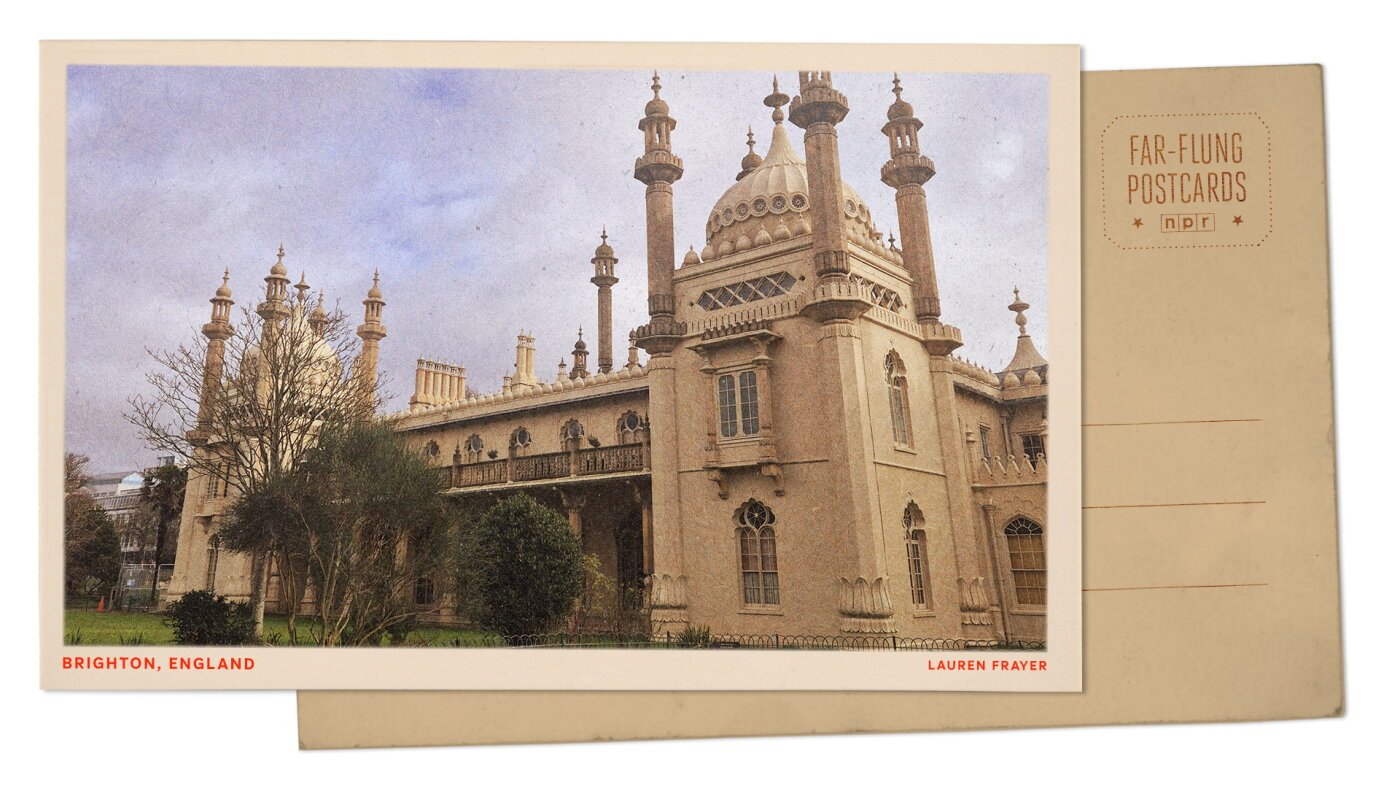
In the seaside city of Brighton, a gray, drizzly winter day can feel unmistakably British. Yet, for those familiar with the aesthetic landscape of the Indian subcontinent, one local landmark offers a jarring and beautiful departure from the standard English architecture. The Royal Pavilion—a stunning structure defined by Mughal arches, iconic onion domes, and chhatri-topped towers—stands as a defiant, exotic outlier on the southern coast of England.
For travelers who have spent years navigating the majestic palaces, forts, and temples of India, the sight of the Pavilion is a disorienting, yet nostalgic, shock. While the common narrative of colonial history focuses on the British imposition of Victorian architecture upon Indian cities like Mumbai, the Royal Pavilion tells a more complex story of cultural exchange. Built in the late 18th century, it reflects a period when British royals were deeply fascinated—and emboldened—by the South Asian world they were beginning to dominate.
A Royal Playground and Its Shifting Legacy
The history of the Pavilion is as layered as its architecture. It served as a lavish retreat for King George IV and later hosted Queen Victoria, who held the title of “Empress of India.” During the 1830s and 1840s, the Queen found refuge there, though she eventually abandoned the seaside oasis when the arrival of the railway brought working-class crowds to Brighton. It is said she even stripped the palace of its ornate lotus-flower chandeliers, moving them to Buckingham Palace.
The building’s role shifted dramatically during the First World War. Reimagined as a military hospital, the halls once reserved for royalty were repurposed to treat thousands of Indian soldiers who fought for the British Empire. During this time, the grounds became a space of cultural accommodation; separate kitchens were established to respect the dietary requirements of different castes, and the east lawn served as a site where Muslim soldiers could pray toward Mecca.
A Modern Landmark for the Masses
Today, the Royal Pavilion has transcended its origins as a playground for monarchs. The surrounding gardens, once the exclusive domain of King George IV, are currently undergoing a major restoration, serving as a vital “green lung” for the modern city of Brighton.
The site has also evolved to reflect contemporary values. In a historic turn of events, the Pavilion hosted some of the United Kingdom’s first same-sex weddings following the legalization of marriage equality in 2014. Having survived centuries of royal whims and even a devastating arson attack, the building now operates as a public museum—a grand, cross-cultural monument finally open to the masses.
It is a transformation that invites us to wonder: if the Empress of India could see the building serving as a vibrant, inclusive public space today, what would she make of the legacy left behind?
For more dispatches from around the world, explore the full Far-Flung Postcards series.