







iPhone 18 Pro to Debut Major Hardware Overhauls Following Years of Speculation
As anticipation builds for Apple’s upcoming September event, all eyes are on the launch of the iPhone 18 Pro. While new releases always bring incremental improvements, this year’s flagship is expected to deliver three long-rumored hardware upgrades that could fundamentally change how users interact with their devices.
Here is a closer look at the key technologies expected to headline the iPhone 18 Pro reveal.
1. The Long-Awaited Variable Aperture Camera
For years, mobile photography enthusiasts have awaited the arrival of a variable aperture lens on the iPhone. After initial reports suggested the feature might land on the iPhone 17, industry analysts—including Ming-Chi Kuo—clarified that the technology was slated for the iPhone 18 series.
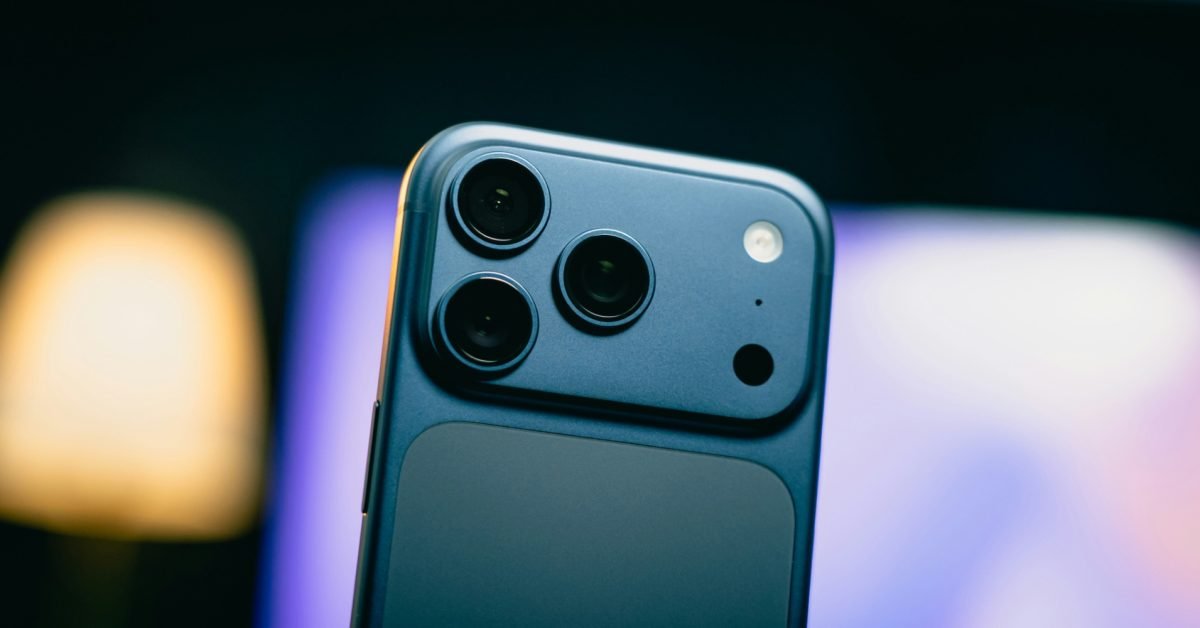
By incorporating a variable aperture into the main camera system, Apple is expected to grant users greater control over depth of field and light intake. This move mirrors professional camera functionality, allowing the phone to physically adjust its aperture to suit various lighting conditions or to create a more natural, hardware-driven bokeh effect. Whether this feature arrives on both Pro models or is reserved exclusively for the Pro Max, it represents a significant leap forward in Apple’s computational and optical photography strategy.
2. A Slimmer Dynamic Island
The Dynamic Island, which debuted on the iPhone 14 Pro to replace the original “notch” introduced with the iPhone X, is finally receiving its most significant physical reduction to date.
Current reports indicate that the new Dynamic Island on the iPhone 18 Pro will be approximately 35% smaller than its predecessor. This design choice is aimed at maximizing screen real estate and reducing visual clutter. Interestingly, the design shift has already been hinted at within the interface elements of iOS 27, where the updated aesthetic for Siri suggests a more compact cutout integration.
3. Transitioning to the In-House C2 Modem
Perhaps the most significant strategic shift under the hood is the expected transition from Qualcomm modems to Apple’s proprietary silicon. Having successfully launched the inaugural C1 modem in previous hardware, Apple is now poised to roll out the next-generation C2 modem.
By moving to its own design, Apple aims to achieve three primary advantages: superior network performance, increased power efficiency, and tighter control over user privacy. If the rumors hold true, the C2 chip will represent the culmination of years of internal development, further decoupling Apple from its reliance on third-party radio chip providers and allowing for deeper integration between the modem and the iPhone’s internal hardware.
As the countdown to the official unveiling continues, these three features stand out as the pillars of this year’s “Pro” experience. With just days remaining until the curtains are pulled back, the tech world waits to see how these advancements will redefine the premium smartphone standard.
Are you excited about the upcoming changes, or are you waiting for more? Let us know your thoughts in the comments below.