









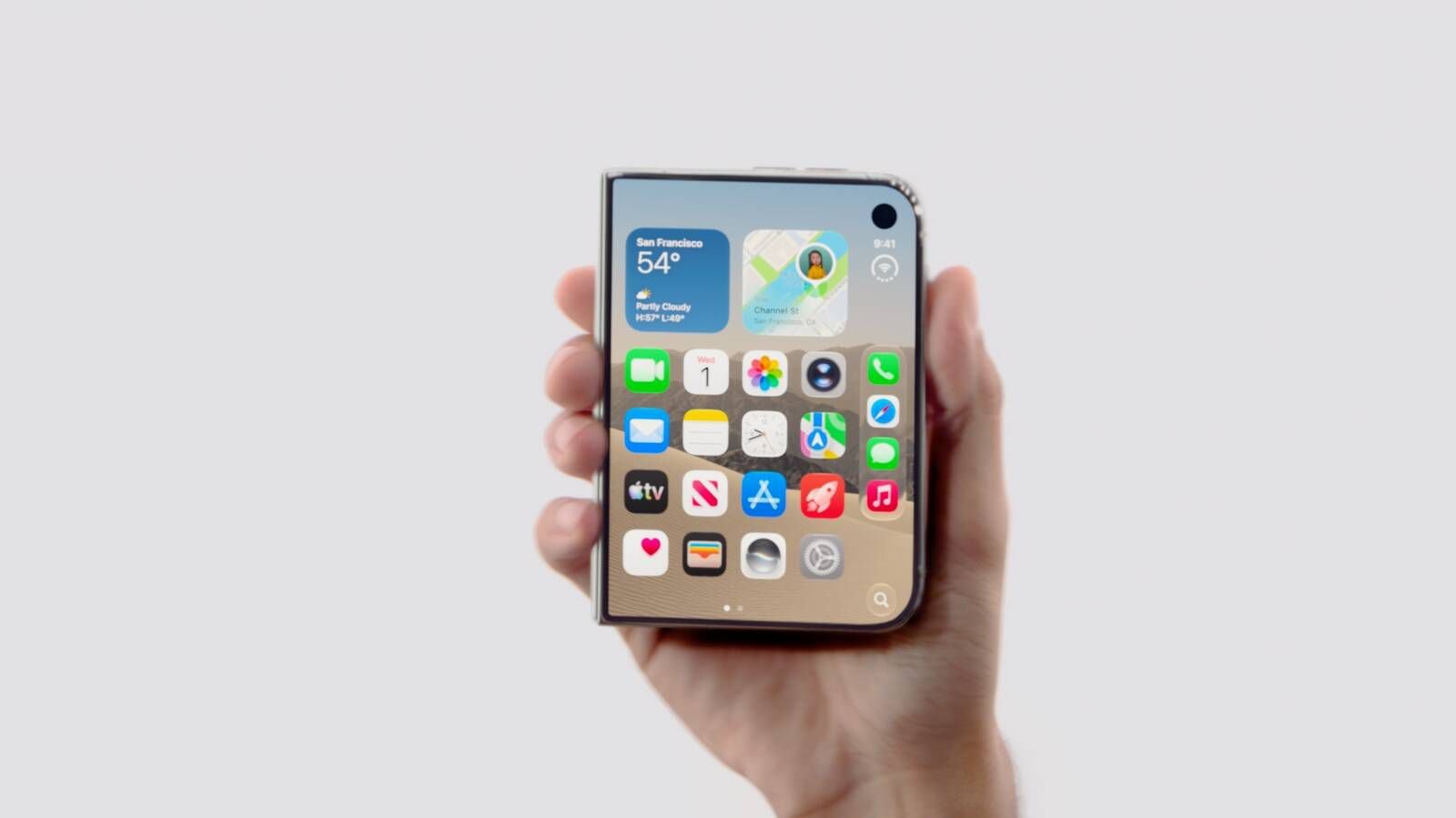
Understanding the Power Architecture of the iPhone Duo
Apple has officially confirmed the battery specifications for its highly anticipated foldable device, the iPhone Duo, following the release of mandatory European Union energy documentation. According to the regulatory filings, the device utilizes a dual-cell architecture with a combined capacity of 4,883 mAh. This configuration is achieved through the integration of two distinct battery components: a primary cell measuring 2,962 mAh and a secondary cell measuring 1,921 mAh.
By splitting the power source into two units, engineers have effectively managed the weight distribution and thermal output of the folding chassis. Because the iPhone Duo is engineered exclusively for eSIM technology, this capacity figure remains consistent across all global markets. Unlike traditional smartphone models that sometimes feature slight capacity variations due to the internal physical space required for SIM card trays, the iPhone Duo maintains a standardized energy profile for every unit produced. This consistency allows for predictable power management across the software ecosystem, ensuring that the operating system handles the dual-cell discharge rate with maximum efficiency.
Comparative Analysis with Existing Flagship Models
To provide technical context, the 4,883 mAh capacity of the iPhone Duo occupies a unique middle ground within Apple’s current mobile lineup. For perspective, the standard iPhone 18 Pro, which also utilizes an eSIM-only framework, is equipped with a 4,288 mAh battery. Meanwhile, the more substantial iPhone 18 Pro Max carries a 5,567 mAh capacity.
The design decision to incorporate a 4,883 mAh total capacity indicates a focus on balancing longevity with the physical constraints of a folding form factor. While the iPhone Duo possesses a smaller total capacity than the Pro Max, it must power a sophisticated dual-display system and the hinge mechanism hardware. The efficiency of the internal power management integrated circuits (PMICs) will be critical in determining whether this device achieves parity with traditional flat-screen flagships in real-world endurance tests.
Engineering Challenges of Foldable Power Management
The transition to a dual-cell battery system presents unique engineering hurdles, particularly regarding the synchronization of charge and discharge cycles. In a standard smartphone, power is drawn from a single source. In the iPhone Duo, the internal controller must balance the load between two separate cells that may have different surface areas and chemical compositions.
Thermal management becomes particularly complex when dealing with foldable devices, as heat must be dissipated away from the hinge area where delicate flex cables are located. Apple’s use of two cells allows the device to spread heat-generating components across a larger internal footprint. Furthermore, the reliance on a single, unified battery management system ensures that the charging process is synchronized, preventing one cell from over-stressing while the other remains underutilized. This architecture is vital for maintaining long-term battery health, as mismatched charging rates in foldable devices are a common cause of premature lithium-ion degradation.
Display Technology and Impact on Battery Longevity
Beyond the raw capacity, the longevity of the iPhone Duo will be significantly influenced by its display technology. The device incorporates a matte nano-texture display, a feature designed to enhance usability in various lighting conditions while minimizing the aesthetic impact of the screen crease. From a technical standpoint, the choice of display coating and panel material dictates the power draw of the screen.
Foldable OLED panels inherently consume more power when fully expanded compared to a standard smartphone screen due to the increased surface area. However, the iPhone Duo utilizes an adaptive refresh rate system that modulates power based on usage. When the device is in its folded state, the outer display operates on a specialized low-power mode, effectively partitioning the power draw so that the internal display is not constantly straining the battery reserves. This tiered usage model is essential for a device with a sub-5,000 mAh capacity to sustain a full day of professional operation.
Market Availability and Retail Strategy
The technical revelation of the battery specs follows intense interest regarding the availability of the device. As the launch date approaches, Apple has implemented a strict retail strategy, advising store employees to prioritize pre-order fulfillment over walk-in purchases. Retail staff have been instructed to inform customers that inventory for launch day is almost exclusively allocated to those who have secured a reservation.
This approach reflects the logistical complexity of the iPhone Duo’s manufacturing process. Producing a foldable device with a precise, multi-part battery system requires stringent quality control standards that differ from standard hardware assembly. By funneling customers toward pre-orders, Apple maintains a controlled rollout, ensuring that the supply chain can keep pace with demand without overwhelming physical retail locations. This methodical strategy highlights the premium positioning of the device, treating the iPhone Duo not just as a consumer gadget, but as a specialized piece of high-precision engineering.
Future Implications for Mobile Energy Efficiency
The total capacity of 4,883 mAh in the iPhone Duo sets a benchmark for the next generation of foldable mobile hardware. As mobile silicon becomes more efficient, the focus of hardware development is shifting from merely increasing raw battery size to optimizing how power is distributed across complex, multi-component architectures.
If the iPhone Duo demonstrates that a sub-5,000 mAh capacity is sufficient for a foldable, it may influence future design decisions across the entire industry. By prioritizing power-efficient silicon, optimized OS resource allocation, and intelligent battery synchronization, manufacturers can deliver high-performance devices that do not require increasingly bulky battery packs. The success of the iPhone Duo’s power architecture will likely provide the blueprint for subsequent models, where weight reduction and refined battery geometry become the primary metrics of success for mobile device engineering.
Disclaimer: This content is auto-generated for informational purposes only.
Source: Read Original News