








The Evolutionary Gamble: Why Genome Duplication Is Biology’s Best-Kept Secret
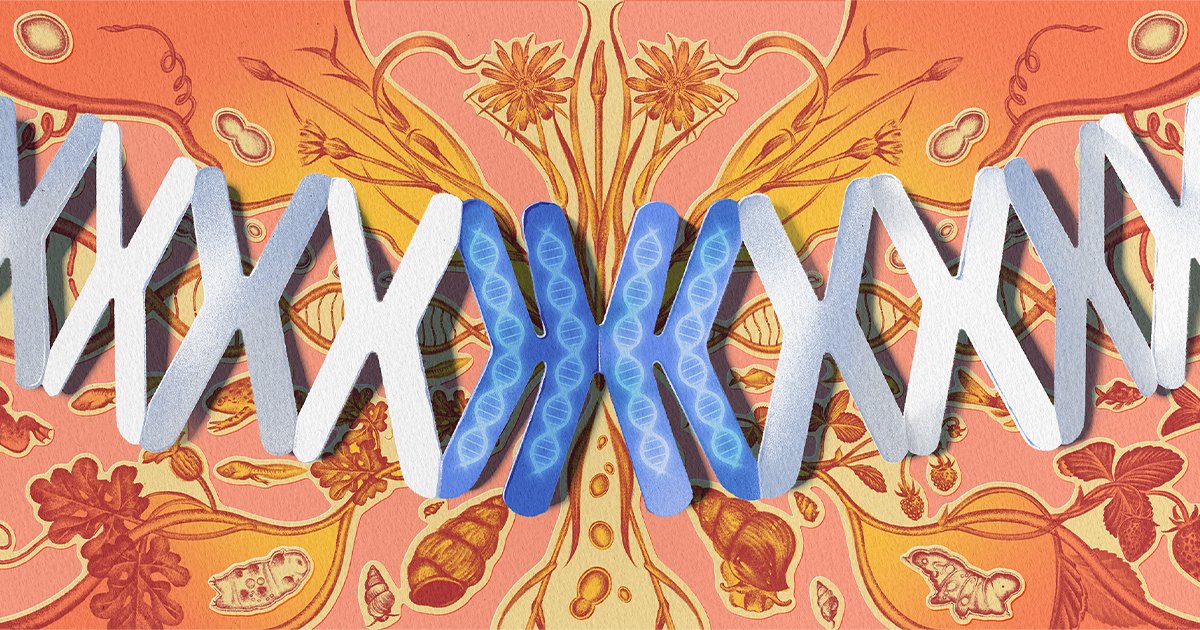
In the world of evolutionary biology, few phenomena are as dramatic—or as misunderstood—as polyploidy. Often described as a biological “home run” that follows a series of strikeouts, the process of whole-genome duplication is arguably the most consequential event in the history of life, yet it remains largely unknown to the general public.
“We like to think of it as a baseball hitter that strikes out a lot, but when they do hit, it’s a home run,” says Douglas Soltis, a plant evolutionary geneticist at the Florida Museum of Natural History. “Polyploidy is the most important process on the planet that hardly anybody knows anything about.”
A Widespread Evolutionary Strategy
For decades, scientists viewed the addition of entire sets of chromosomes as a rare, often lethal anomaly. However, the rise of whole-genome sequencing has shattered that misconception. Evidence is mounting that genome duplication is not just a fringe event, but a fundamental driver of diversity across the tree of life.
From barnacles and insects to trout and arachnids, traces of ancient genome duplications appear throughout the animal kingdom. Even the evolutionary path of jawed vertebrates—including the journey from hagfish to humans—is subject to intense scientific debate regarding whether ancient gene doublings served as the catalyst for our complexity hundreds of millions of years ago.
In the plant world, the process is even more pervasive. “All seed plants living today have experienced at least one ancient whole-genome duplication, and many have undergone more,” explains Jonathan Wendel, an evolutionary biologist at Iowa State University.
The Mechanism of Innovation
A whole-genome duplication is the most radical mutation an organism can experience in a single generation. While single-nucleotide point mutations or gene inversions typically modify existing functions, doubling the entire genome provides an organism with a vast surplus of genetic “spare parts.”
This surplus allows for a unique evolutionary luxury: with two copies of a gene, one can maintain its original, vital function while the other is free to mutate and potentially acquire new, beneficial traits. This genetic safety net allows species to navigate environmental pressures that might otherwise result in extinction.
Tracking Evolution in Real-Time
Despite its benefits, the immediate aftermath of genome duplication is often chaotic. The cellular machinery must struggle to manage a sudden, massive increase in DNA load.
Research by evolutionary biologist Maurine Neiman has shed new light on this transition. Her team recently identified a whole-genome duplication in a minuscule snail (Potamopyrgus antipodarum) that occurred less than a million years ago. While this is a blink of an eye in evolutionary time, it is long enough for the snail to have begun the complex process of “rediploidization”—the gradual pruning of excess DNA to return the genome to a more streamlined state.
“We actually don’t know, for our snails or any other species, why this happens so reliably, again and again and again,” Neiman notes.
From Yeast to Grocery Stores
The study of polyploidy has evolved from simple chromosome counting to sophisticated bioinformatics. In the 1990s, Kenneth Wolfe of University College Dublin discovered that the genome of baker’s yeast was riddled with duplicated segments, providing a clear map of how the organism had shed extra DNA over time. Similar discoveries followed in the model plant Arabidopsis and various commercial crops.
In the produce aisle, the results of these ancient gambles are visible: the massive size of modern strawberries is the result of octoploidy (eight sets of chromosomes), while the vibrant diversity of the Brassica genus—including broccoli, kale, and cauliflower—traces back to these very same ancient duplication events.
The Survival Blueprint
How do species survive the initial shock of doubling their genome? Field studies, such as those conducted by Pamela and Douglas Soltis on goatsbeard plants in Washington, offer a glimpse into the process. By observing hybrids in the wild, they witnessed the immediate “remodeling” of the genome—where plants began silencing or deleting specific gene copies within just a single generation.
As our tools for decoding DNA continue to sharpen, the image of life’s “blueprint” is shifting. Rather than a stable, unchanging document, the genome is revealing itself to be a fluid, dynamic, and frequently rewritten script. As evolutionary biologist Sarah Otto summarizes: “You might think that the genome, the blueprint of life, would be a stable thing. It’s not. It’s all over the map.”