







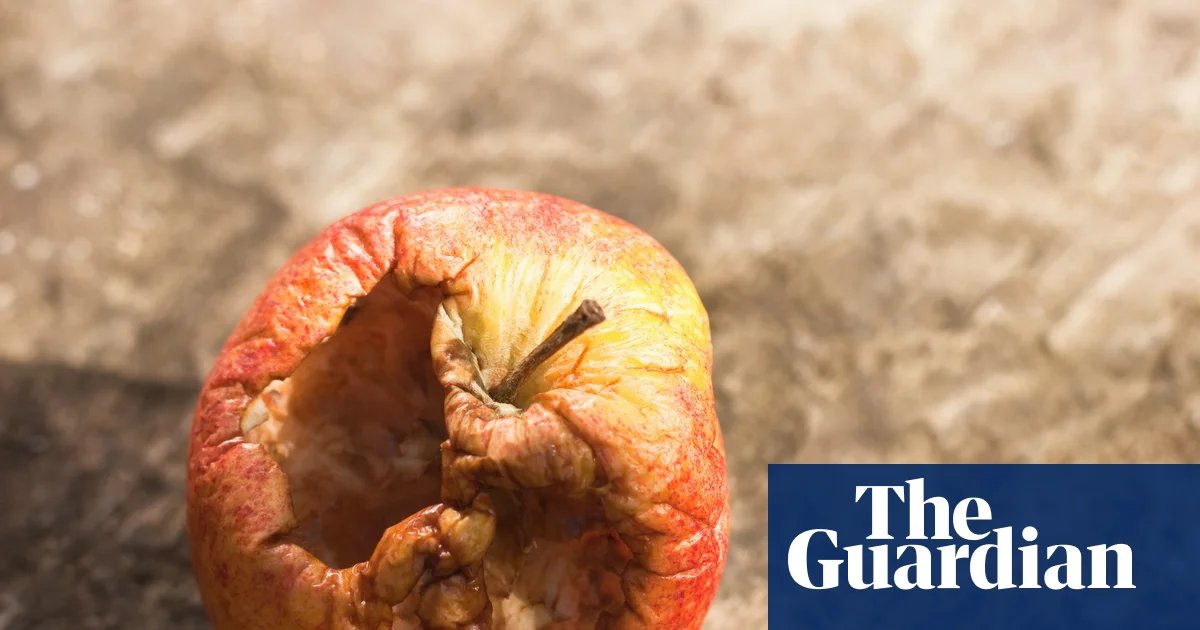
The long-standing political and corporate defense of labeling unethical behavior as the actions of a “bad apple” has been dealt a significant blow by new research, which suggests that a single rogue actor can trigger a cascade of institutional misconduct.
A study published in the journal Proceedings of the Royal Society B confirms the folk wisdom that one bad apple can indeed spoil the barrel. Researchers led by Dr. Lucas Molleman of the University of Amsterdam have found that, far from being autonomous moral agents, individuals are highly susceptible to the influence of others when deciding whether to follow or break rules.
To test this, the research team conducted an online experiment with 750 participants in the United States. Volunteers were tasked with identifying the most intense square in a series of animations to earn a monetary reward. However, the game was rigged: participants were offered higher financial payouts for intentionally selecting the “wrong” square, creating a direct conflict between integrity and personal gain.
As the experiment progressed, participants were shown the behavior and political affiliation of others. While observing rule-following slightly discouraged cheating, the inverse was far more potent. Seeing peers make “small, beneficial violations” led to a modest increase in cheating. However, when participants witnessed others “flagrantly flouting” the rules, they were significantly more likely to increase their own level of rule-breaking—often going further than the original offender.
“A minority of escalating individuals, exceeding the rule violations they observe, might cause a whole collective to spin out of control,” Dr. Molleman explained. The study also highlighted that this influence was significantly stronger when the individual shared political leanings with the rule-breaker, suggesting that tribal identity exacerbates the normalization of misconduct.
The findings offer a sobering perspective on professional environments, such as the City of London, where bullying and harassment have recently come under intense regulatory scrutiny. In such spaces, the research implies, silence or minor violations by leaders can rapidly degrade the culture of an entire organization.
However, the study also provided a glimmer of hope: approximately one-third of participants remained committed to the rules, even when it meant sacrificing potential financial gain.
Not all experts agree on the universal application of these findings. Prof. Stephen Reicher of the University of St. Andrews pointed out that the experimental setup was abstract and lacked real-world consequences like professional penalties. Reicher also cautioned against the idea of “social contagion,” noting that human behavior is nuanced.
“We don’t riot simply because we see others rioting,” Reicher said, noting that people often respond to antisocial behavior with acts of civic repair rather than imitation.
Ultimately, the research underscores that organizational integrity is a social, rather than strictly individual, project—and that the actions of a few can define the moral trajectory of the many.
Disclaimer: This content is auto-generated for informational purposes only.
Source: Read Original News