







Indian Foreign Minister Visits Kyiv in “Historic” Bid to Address Food Security and Conflict
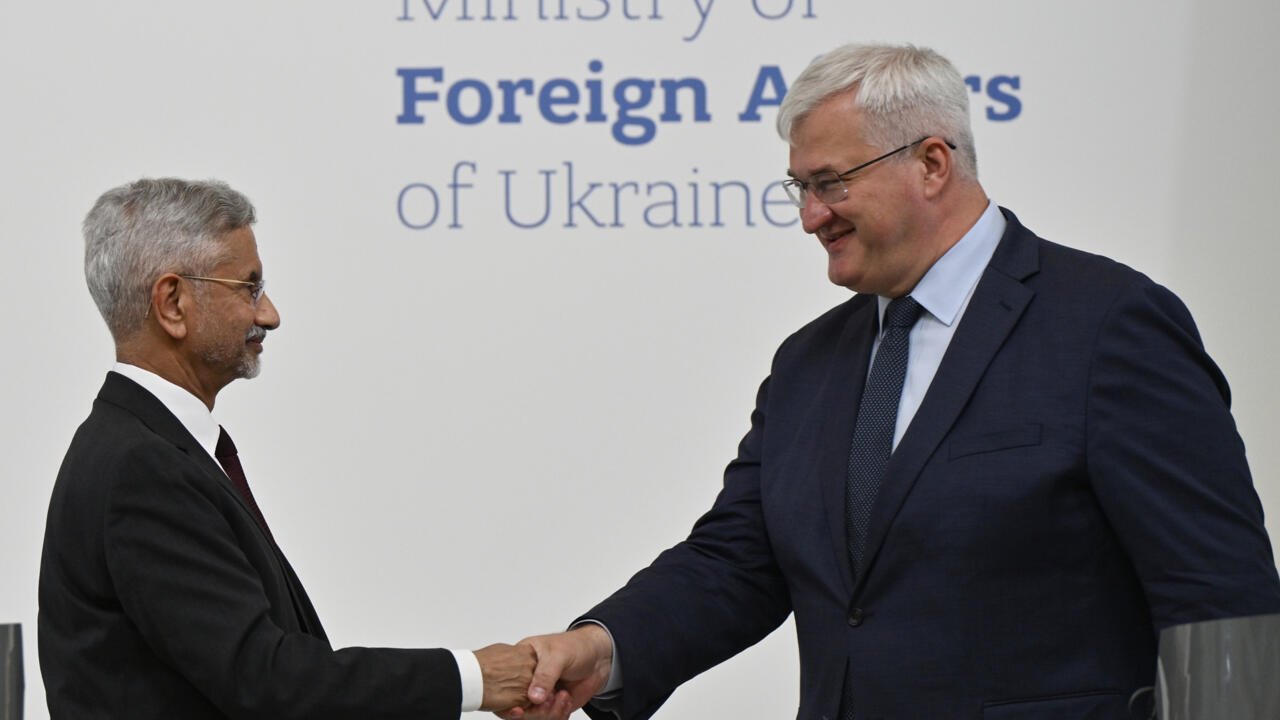
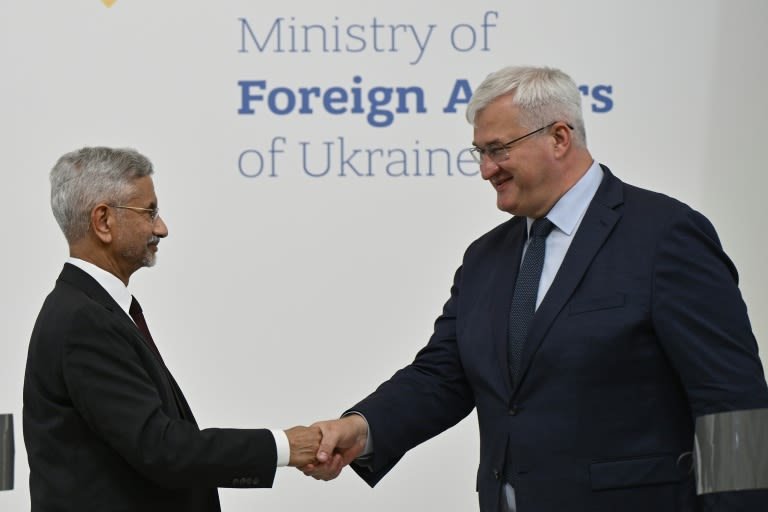
KYIV — Indian Minister of External Affairs Subrahmanyam Jaishankar arrived in the Ukrainian capital on Thursday for a high-stakes visit aimed at addressing critical issues surrounding global food security and the ongoing war. The trip, the first standalone visit by an Indian foreign minister to the country since the conflict began, was hailed by Ukrainian officials as a “historic moment.”
The visit comes at a delicate geopolitical juncture, following Indian Prime Minister Narendra Modi’s meeting earlier this week with Russian President Vladimir Putin in Moscow. As Russia’s invasion—now the deadliest conflict in Europe since World War II—continues to claim civilian lives, India is navigating a complex diplomatic path, positioning itself as a potential mediator between the warring parties.
Addressing the Black Sea Crisis
A primary focus of the talks between Minister Jaishankar and President Volodymyr Zelensky was the stability of the Black Sea, a vital maritime corridor for global grain exports. Moscow’s ongoing campaign of strikes against Ukrainian ports and merchant vessels has severely hindered the flow of agricultural products, sparking concerns over global food shortages.
“We discussed the situation in the Black Sea, including the existing threats to civilian shipping,” President Zelensky stated on social media following the meeting. “It is absolutely unacceptable to block food supplies to regions where this is a highly sensitive issue and where people depend on these maritime routes.”
India’s Stance on Resolution
During a press briefing in Kyiv, Minister Jaishankar reiterated India’s position that the path to peace must be forged by the nations directly involved. “Every passing day of conflict only means more deaths and more destruction,” Jaishankar said. “Understandably, it is for the parties involved to find a way. But if India can be of any help in any manner, we are ready. And this was the core of my discussion today.”
President Zelensky expressed his gratitude, noting, “We are grateful to India for its commitment to ending this unjust war.”
A Visit Under Fire
The significance of the visit was punctuated by the harsh realities of life in Kyiv. During the delegation’s time in the capital, Russia launched a series of jet-powered “Shahed” drones at the city. While the Indian delegation remained safe due to the effectiveness of Ukrainian air defenses, the incident served as a stark reminder of the volatility on the ground.
“While the minister was here with us in Kyiv, Russia once again launched jet-powered ‘shaheds’,” Zelensky remarked. He added that the delegation was shielded by the efforts of Ukrainian fighter jets that successfully neutralized the incoming threats.
Ukrainian Foreign Minister Andriy Sybiha lauded Jaishankar’s presence, describing it as a “brave visit” given that the city remains “constantly under attack.”
As global scrutiny intensifies over the Black Sea and the broader implications of the war, India’s diplomatic outreach is being closely watched. While the path to a peaceful resolution remains fraught with challenges, both Kyiv and New Delhi have signaled a mutual interest in maintaining an open dialogue regarding regional stability and the protection of essential food supply chains.