






Congress Sharpens Attack on ‘One Nation, One Election’ Following US Midterm Results
The Congress party has leveraged the dramatic outcome of the US midterm elections to launch a fresh offensive against the Narendra Modi government’s “One Nation, One Election” (ONOE) agenda. Senior party leaders argue that the recent American polls underscore the necessity of periodic electoral exercises as a tool for governmental accountability—a mechanism they claim the BJP’s electoral reforms would effectively dismantle.
The US midterm results saw the Democratic Party secure control of both the House of Representatives and the Senate, a development many observers view as a decisive rejection of President Donald Trump’s governance. Factors such as persistent inflation, the geopolitical fallout from the ongoing conflict with Iran, and widespread allegations of executive corruption are believed to have fueled the voter shift.
A Lesson in Accountability
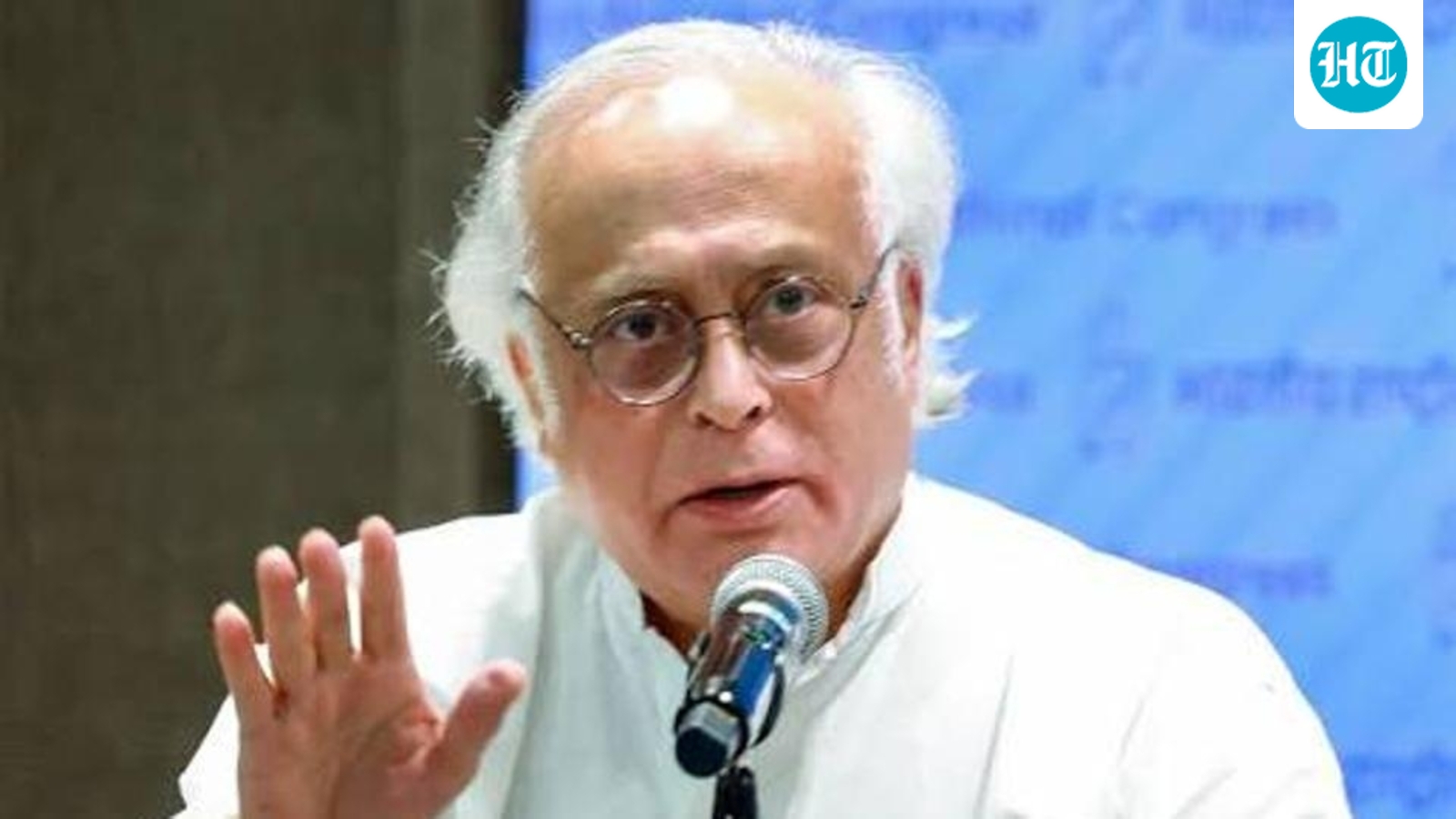
Congress general secretary in-charge of communications, Jairam Ramesh, took to social media to highlight the significance of the American verdict. Terming the results a “stunning verdict” against the Trump administration, Ramesh emphasized that the core strength of a mid-term cycle lies in its ability to serve as a report card for the ruling power.
“Personalities aside, the results demonstrate the power of mid-term polls to enforce accountability,” Ramesh noted. He contended that the Modi government’s push for synchronized elections across India—a proposal framed under the banner of “One Nation, One Election”—would fundamentally compromise this democratic feedback loop. By limiting the frequency of electoral interventions, the Congress argues that the ruling establishment seeks to insulate itself from the corrective pressures of the electorate.
Concerns Over Institutional Imbalance
Beyond the mechanics of election cycles, the Congress has linked the US outcome to a broader concern regarding the health of Indian democracy. Ramesh suggested that the US midterm elections have successfully restored the “institutional balance” that serves as the bedrock of a constitutional democracy. He alleged that this critical equilibrium has been “dangerously disturbed” in India ever since the BJP assumed power in 2014.
The Opposition’s critique suggests that the erosion of checks and balances in India has emboldened the executive branch, leaving fewer avenues for democratic oversight. By drawing a parallel to the US, the Congress is positioning itself as the primary defender of institutional integrity, warning that reforms like ONOE are not merely logistical shifts but attempts to consolidate power by thinning out the frequency of public scrutiny.
As the political discourse in New Delhi intensifies, the Congress appears set on framing the “One Nation, One Election” debate not as a question of efficiency or cost-cutting—the primary arguments used by the BJP—but as a direct threat to the voter’s ability to hold the government of the day accountable. The party is expected to continue utilizing international democratic trends as a benchmark to challenge the legislative agenda of the Modi administration in the coming parliamentary sessions.
Disclaimer: This content is auto-generated for informational purposes only.
Source: Read Original News