









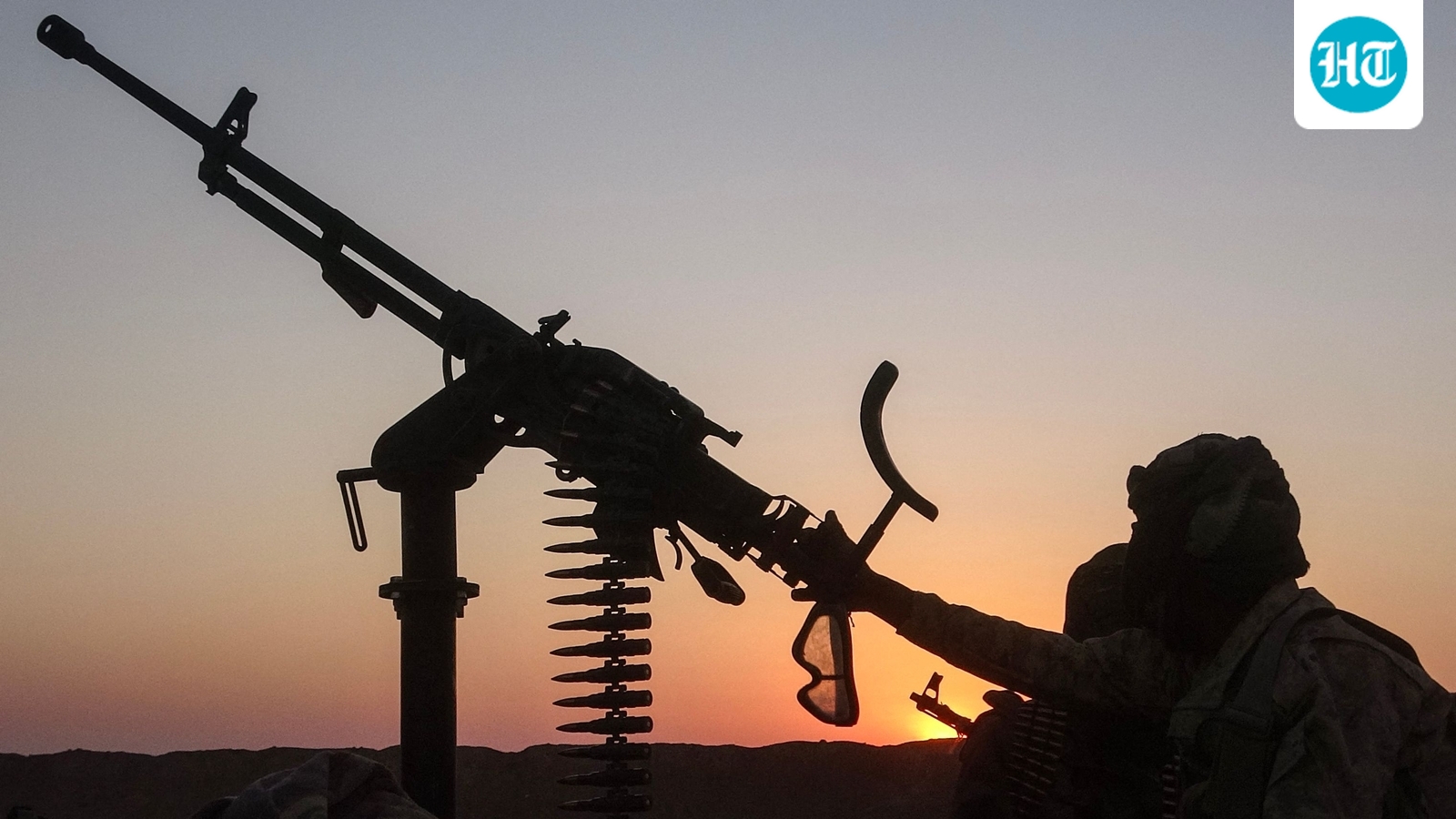
Toll Rises: Indian National Dies Following Houthi Attack on Riyadh Airport
An Indian national who had been fighting for his life in intensive care following a brutal Houthi drone strike on Riyadh’s King Khalid International Airport last month has succumbed to his injuries. The news was confirmed by the Indian Embassy in Saudi Arabia on Wednesday, marking a grim escalation in the human cost of the ongoing regional conflict.
This tragic passing brings the total number of Indian citizens killed since the onset of the West Asia hostilities in February to 24. The victim, whose identity remains withheld by authorities while family notifications are completed, was one of several people critically wounded during the October 10 assault, an incident that also resulted in immediate fatalities.
Escalation of Violence and Humanitarian Impact
The October 10 attack on the Saudi capital’s primary transport hub was part of a broader campaign by Iran-backed Houthi rebels targeting vital civilian infrastructure across the Kingdom. Shortly thereafter, on October 21, a separate assault on King Fahd International Airport in Dammam claimed another Indian life and left two others wounded.
The frequency and lethality of these strikes have forced Indian authorities to intervene on multiple fronts. New Delhi has intensified its diplomatic efforts, repeatedly urging an immediate cessation of hostilities. The Indian government has expressed staunch solidarity with Saudi Arabia, condemning the targeting of civil infrastructure and merchant vessels while advocating for a swift return to peace and stability in the region.
Beyond the immediate loss of life, the escalation has created a logistical crisis for the Indian diaspora. Following the suspension of flights by various Indian carriers due to safety concerns, hundreds of Indian pilgrims remain stranded within Saudi Arabia. The Indian embassy is currently coordinating with airlines and private tour operators to arrange emergency transport, ensuring these citizens can return home safely.
Vulnerability at Sea
The conflict’s reach has proven fatal far beyond airport terminals. Of the 24 Indian nationals who have lost their lives in the region since February, 15 have been seafarers. The dangers facing Indian maritime workers were underscored once again on Monday, when a projectile struck an Indian-flagged cargo vessel off the coast of Oman. While the attack proved fatal for one crew member, the Omani Coast Guard successfully rescued 13 other Indian sailors aboard the dhow MSV Al Jusufi.
West Asia currently hosts an estimated population of over 10 million Indians. While the majority are employed in the region’s oil fields and infrastructure sectors, their geographic dispersal makes them uniquely vulnerable to the volatility of the conflict. Additionally, approximately 18,000 Indian seafarers operate on vessels navigating these increasingly perilous waters.
In its statement, the Indian embassy reaffirmed its commitment to the bereaved family. “We have been by their side throughout, and we remain with them now,” the embassy said. Officials have promised to provide full support, whether the family chooses to repatriate the mortal remains to India or conduct the final rites in Riyadh.
Disclaimer: This content is auto-generated for informational purposes only.
Source: Read Original News