







The battle over gas extraction near the North York Moors has escalated, as Europa Oil & Gas has officially lodged an appeal against the local council’s refusal of its controversial drilling plans. The company seeks to install a 125ft (38m) rig in the village of Burniston to explore for gas, a project that was resoundingly rejected by North Yorkshire councillors in April.
The decision to appeal means the matter will now be determined by the Planning Inspectorate, placing the fate of the landscape and the community’s climate commitments back in the hands of central government-appointed officials.
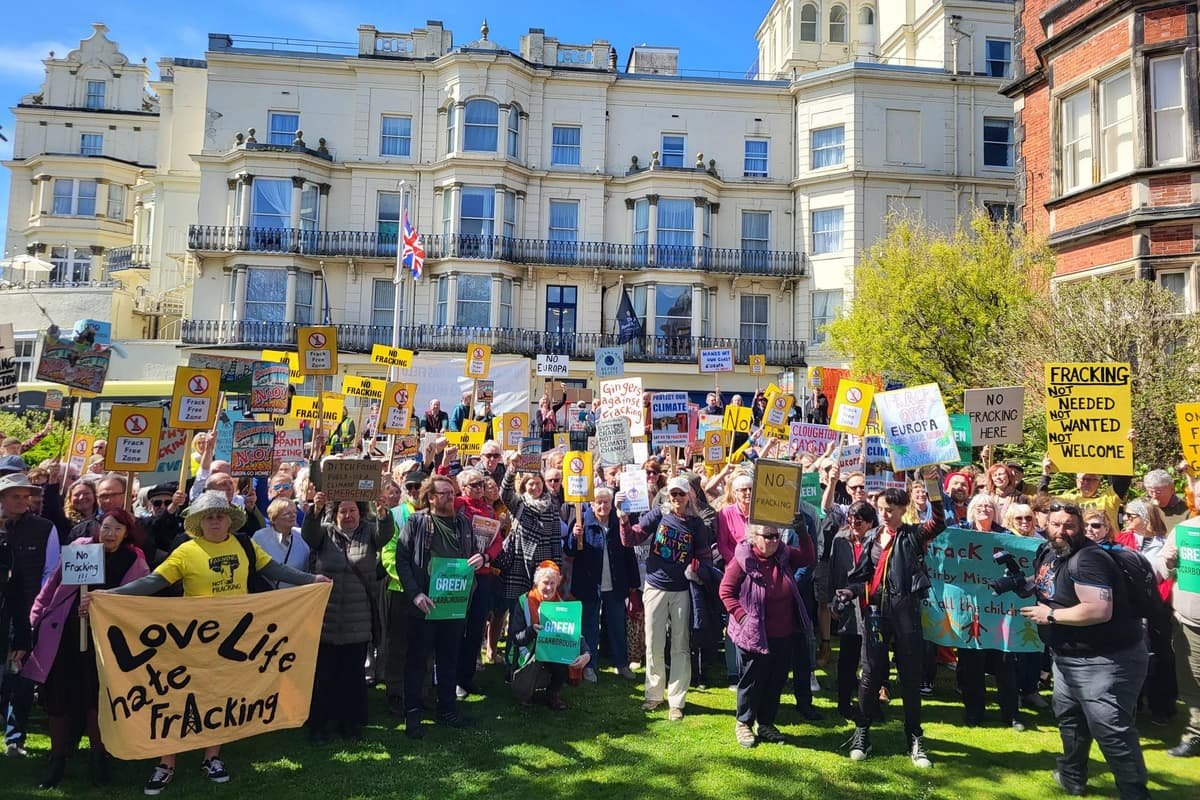
The project has faced significant opposition from residents, local politicians, and environmental campaigners. At the heart of the controversy is the company’s proposal to use a “proppant squeeze” method, which critics have described as “small-scale fracking.” While the technique is currently permitted under UK legislation, opponents argue it is effectively fracking by another name and violates the spirit of the government’s commitment to move away from fossil fuel extraction.
Tony Bosworth, a campaigner for Friends of the Earth, voiced concern over the implications of the appeal. “This will only create more concern and uncertainty for local residents who are understandably worried about the impact of fracking on their community and environment,” he said. He urged the government to act decisively by ensuring its promised ban on fracking covers all variations of the technique, including proppant squeeze. “Failure to do so will leave many more communities at risk,” he added.
Europa Oil & Gas, however, remains adamant that the project is both necessary and manageable. William Holland, CEO of the company, has consistently defended the scheme, arguing that it would create local jobs and provide domestic gas for the region. He has characterized the development as limited in scope and insisted that it would be carried out responsibly.
“We need to be concerned about the environment, but if we don’t produce domestic gas, we buy it from overseas,” Holland stated. He expressed strong confidence that the initial refusal would be overturned, noting that the company views the appeal process as a standard hurdle in its operational plans.
The local resistance remains equally steadfast. The campaign group Frack Free Coastal Communities, which has been at the forefront of the opposition, expressed frustration at the company’s persistence. Professor Chris Garforth, chair of the group’s steering group, pointed out that the original refusal followed an extensive review of evidence and nearly 1,600 objections from the public.
During the April planning meeting, North Yorkshire councillors laid out a robust case for rejection. Their concerns included the visual blight on the Heritage Coast and the North York Moors National Park, the potential for noise and vibration disturbances for local residents, and the impact on the tourism-dependent local economy. Crucially, the committee also cited a direct conflict between the proposal and the council’s own climate change objectives.
The legal and political landscape remains murky as the country awaits the government’s upcoming Energy Independence Bill. While the government has pledged to “ban fracking for good,” it remains unclear whether the legislation will capture lower-volume extraction methods like those proposed for Burniston.
Alison Hume, the newly elected Labour MP for Scarborough and Whitby, has expressed frustration with the current state of legislation. She is actively pushing for the forthcoming bill to explicitly include all forms of gas extraction, regardless of the volume, to prevent loopholes that could see drilling rigs appearing in protected landscapes.
Should Europa Oil & Gas succeed in its appeal, it will be granted permission to establish the temporary exploration wellsite. While this would not automatically grant approval for full-scale production—which would require a separate, rigorous planning process—residents fear it would be the first step toward a permanent industrial presence in a sensitive rural area. For now, the community must wait for the Planning Inspectorate to weigh the arguments of economic utility against the preservation of the local environment.
Disclaimer: This content is auto-generated for informational purposes only.
Source: Read Original News