









Japan’s New Immigration Pivot: A Growing Nation or a Closing Door?
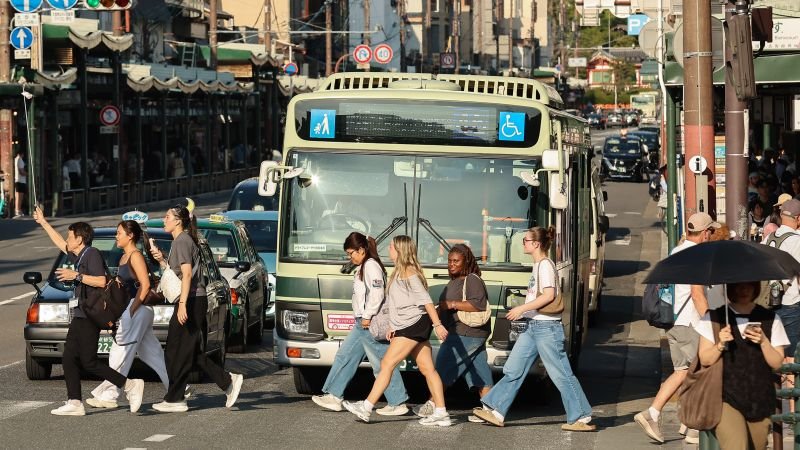
TOKYO — Renowned for its serene Zen gardens, futuristic urban landscapes, and a culinary scene that draws millions, Japan has long been a global destination of choice. Fueled by a favorable exchange rate, the country has seen record-breaking tourism numbers in recent years. Simultaneously, the number of foreigners settling in the world’s fourth-largest economy for work and study recently reached an all-time high, driven by the nation’s legendary safety and reliable infrastructure.
However, a sudden shift in government policy has left many long-term residents questioning their future in the country. Under the conservative administration of Prime Minister Sanae Takaichi, Japan has begun implementing a series of restrictive measures, signaling a departure from the country’s recent trajectory toward becoming a more open and diverse society.
A Turn Toward “Japan-First” Politics
For decades, Japan maintained a notoriously homogeneous society with strict immigration controls. As the country grappled with a deepening demographic crisis—marked by a fertility rate that plummeted to a decade-low of 1.14 last year—the government cautiously opened its doors to foreign labor.
However, this transition has not been without friction. Recent concerns over overtourism and unverified reports of foreign residents exploiting social services or skirting local regulations have fueled a rise in “Japan-first” rhetoric. This political climate, spearheaded by minor right-wing factions like the Sanseito party, has placed significant pressure on the ruling Liberal Democratic Party to tighten border control and residency requirements.
The Cost of Belonging
Beginning this October, the financial barrier to entry for foreign residents will rise sharply. The government announced that fees for various visas are set to increase, with the cost of applying for permanent residency surging 20-fold, reaching 200,000 yen (approximately $1,257).
The administrative hurdles extend well beyond entry fees. According to new regulations, permanent residency applicants must now demonstrate an income level exceeding the average Japanese household. By next April, those seeking long-term status will also be required to prove they have a projected pension fund equivalent to 30 years of payments, alongside a mandated intermediate proficiency in the Japanese language.
Justice Minister Hiroshi Hiraguchi defended the move, stating the revisions are necessary to ensure “an orderly society” and prevent new residents from becoming a “public burden.”
The crackdown also targets entrepreneurs. The capital requirement for a business manager visa—a pathway frequently used by foreign innovators—has spiked sixfold, jumping from 5 million yen ($31,000) to 30 million ($126,000).
Uncertain Futures
The impact of these policies is already being felt on the ground. Reports suggest that many Indian and Nepali restaurants have been forced to close after owners saw their visa renewals denied. Meanwhile, the policy shifts have caused profound anxiety for established residents.
One American transgender teacher, who has lived in Japan for nearly a decade, told CNN that the new costs for permanent residency were “outrageously expensive” and unpredicted. Her situation is further complicated by Japan’s lack of recognition for same-sex marriage, which precludes her from using a spousal visa as a safety net—an option that might have provided security had her work visa faced hurdles.
Tokyo-based immigration attorney Kazuki Yuda notes that his firm has seen a massive influx of inquiries from residents scrambling to file applications before the stricter rules take full effect. He warns that the new requirements are likely to lead to a “drastic drop” in successful applications.
A Precarious Balancing Act
The government finds itself in a challenging position. As it attempts to appease a voter base concerned about the impact of foreigners on local costs and social stability, it also faces a desperate need to attract young talent to support its shrinking workforce. With neighbors like South Korea and Singapore actively loosening immigration rules to attract global workers, some fear that Japan is falling behind.
For long-term observers, the shift is deeply concerning. Sarah Nelkin, a Japan-based media producer who arrived in the country over a decade ago, expressed her frustrations on social media. “As a fresh graduate, fees like this would have been impossible for me,” Nelkin wrote. “Looking at the Japanese market 10 years from now, I genuinely feel from the bottom of my heart that things are heading for serious trouble.”
As the government continues to debate these [immigration rules] (https://www.cnn.com/2026/09/02/travel/japan-tightens-immigration-rules-intl-hnk), many residents remain in limbo, wondering if their contribution to the nation they call home is still truly wanted.