









France Records Hottest and Second-Driest Summer in Over a Century
PARIS – France has officially endured its hottest summer since records began over a century ago, according to government officials and national climate data. The findings paint a grim picture of a season defined by extreme heatwaves, historic wildfires, and unprecedented drought.
Environment Minister Monique Barbut confirmed the alarming statistics on Thursday during a presentation of the climate report covering June, July, and August. “We have experienced the hottest summer ever recorded since measurements began in 1900,” Barbut stated.
A New Benchmark for Heat
Data provided by the national weather agency, Météo-France, revealed that the average temperature for the summer of 2026—calculated across both day and night—reached 24 degrees Celsius. This figure stands at 3.6°C above the seasonal norm, significantly eclipsing the previous milestone set in 2003, when temperatures averaged 2.7°C above normal.
The summer was marked by an exhausting frequency of extreme heat. France experienced 53 heatwave days across three distinct episodes, a staggering jump from the 33 days recorded during the heat-stricken summer of 2022.
A Landscape Transformed by Fire and Drought
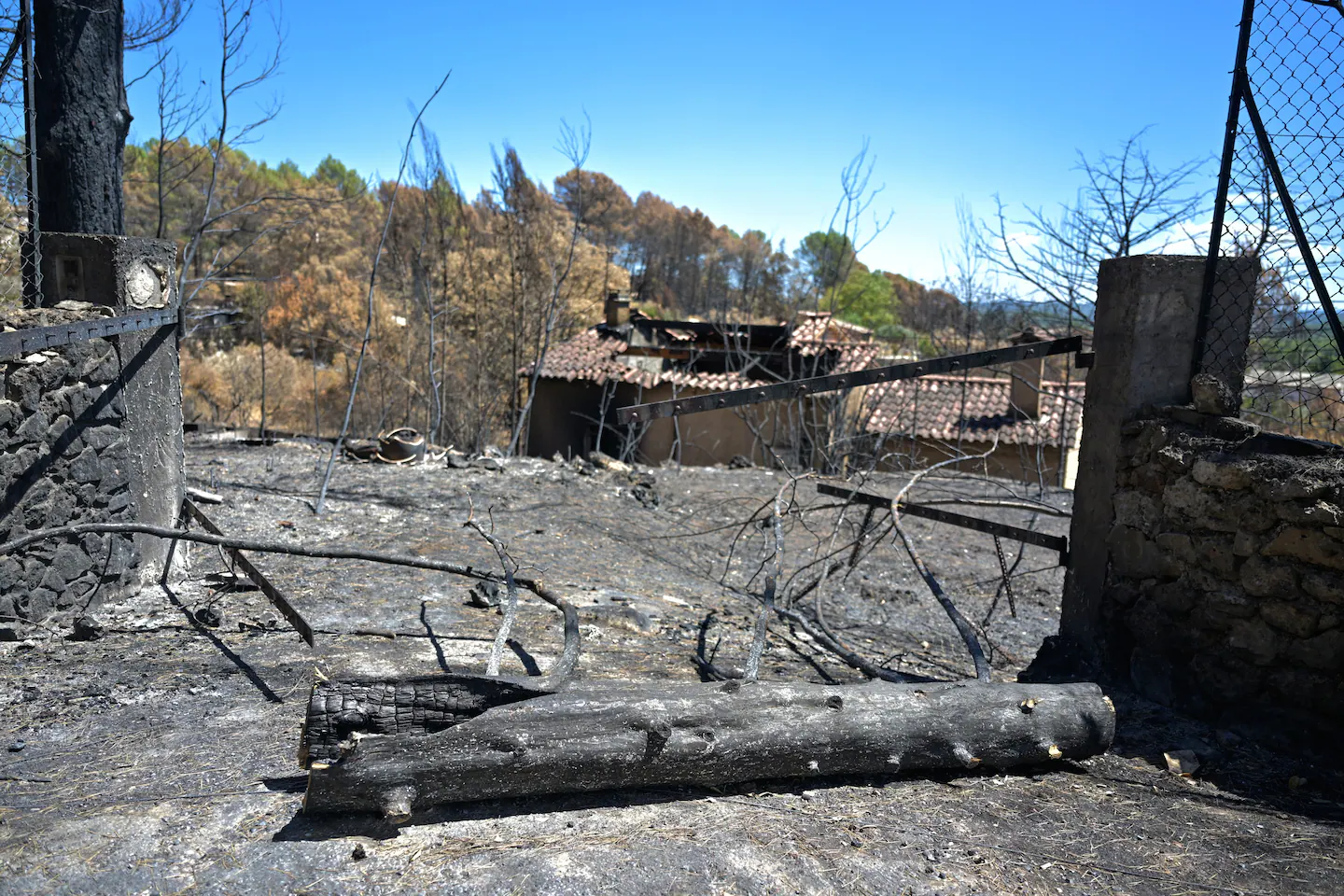
Beyond the rising mercury, the season was defined by a severe lack of precipitation. Météo-France reported that the summer was the second-driest on record, with a rainfall deficit of nearly 40%. This prolonged drought turned the French countryside into a tinderbox, leaving firefighters to battle relentless blazes.
Critically, the risk of fire moved beyond the traditionally arid south. Regions in the north and Brittany, typically cooler and wetter, were also forced to confront wildfire emergencies. In a harrowing example of the season’s volatility, a massive fire near Bordeaux ravaged vast forests, forcing a quarter of a million residents to flee their homes.
A Broader Climate Crisis
The impact of this year’s weather patterns extended well beyond the borders of France. Millions of people across Italy, Spain, the United Kingdom, and the wider Western European region struggled under the weight of extreme temperatures.
Météo-France noted that the crisis is not limited to the traditional summer months, pointing to “very hot spells” occurring as early as May and continuing into September. Additionally, record-breaking ocean temperatures along the coasts of mainland France and Corsica were observed, highlighting the depth of the environmental shift.
As Europe faces what many experts describe as the world’s fastest-warming continent, the message from the scientific community remains consistent. According to the European Union’s Copernicus Climate Change Service, temperatures in Europe have been increasing at twice the speed of the global average since the 1980s.
As the country processes these record-breaking metrics, the government faces mounting pressure to address the hottest summer in its history and develop more robust infrastructure to cope with a changing climate.
Sources: Additional reporting provided by AP.