








Pharmaceutical Giants Urge EU to Halt Controversial Wastewater Regulations
BRUSSELS — A coalition of major pharmaceutical companies is mounting pressure on European Union regulators to suspend the implementation of stringent new wastewater requirements, citing concerns over flawed methodology and the potential for severe economic disruption across the sector.
The pushback comes as the European Commission moves forward with revised environmental standards aimed at curbing the presence of pharmaceutical residues in urban water systems. However, industry representatives argue that the current framework is based on incomplete data, creating an unrealistic compliance burden for manufacturers.
Industry Concerns Over “Extended Producer Responsibility”
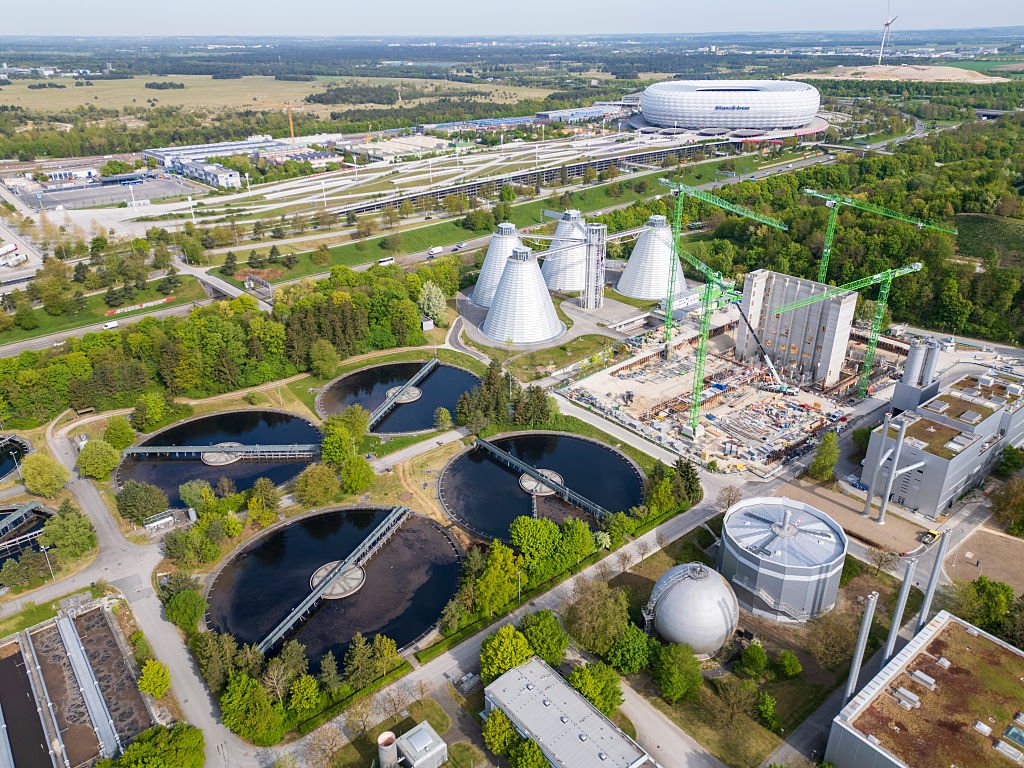
At the heart of the dispute is the “Extended Producer Responsibility” (EPR) scheme, a cornerstone of the EU’s revamped Urban Wastewater Treatment Directive. Under these new rules, pharmaceutical companies would be required to contribute significantly to the costs of upgrading water treatment infrastructure to filter out chemical trace elements.
Industry lobbyists argue that these financial levies are being calculated using questionable data models. They contend that the Commission has failed to adequately account for the variations in waste concentration across different member states, potentially penalizing manufacturers for environmental conditions they do not directly control.
Legal and Scientific Scrutiny
The pharmaceutical sector’s call for a “pause” is gaining momentum following a critical report by a leading legal expert. According to a recent analysis, a top EU lawyer has highlighted significant discrepancies in the Commission’s calculations, suggesting that the underlying technical assessments may not meet the legal threshold for such far-reaching policy implementation.
“We are not opposed to environmental stewardship,” said a spokesperson for a leading industry trade group. “However, the current legislative trajectory relies on flawed assumptions that could stifle innovation and jeopardize the availability of essential medicines in the European market.”
The Road Ahead
The European Commission maintains that the regulations are essential to protecting public health and biodiversity, asserting that the environmental cost of inaction outweighs the compliance costs for industry.
As the debate intensifies, stakeholders are waiting to see if EU policymakers will heed the call to re-evaluate the technical foundations of the directive or press ahead with the existing timeline. For now, the impasse underscores the growing tension between Brussels’ ambitious “Green Deal” objectives and the operational realities of the European pharmaceutical manufacturing sector.
The European Parliament is expected to discuss the matter in the coming weeks as member states weigh the long-term impacts of the proposal on both water quality and industrial competitiveness.