
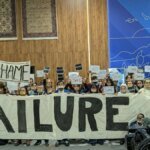







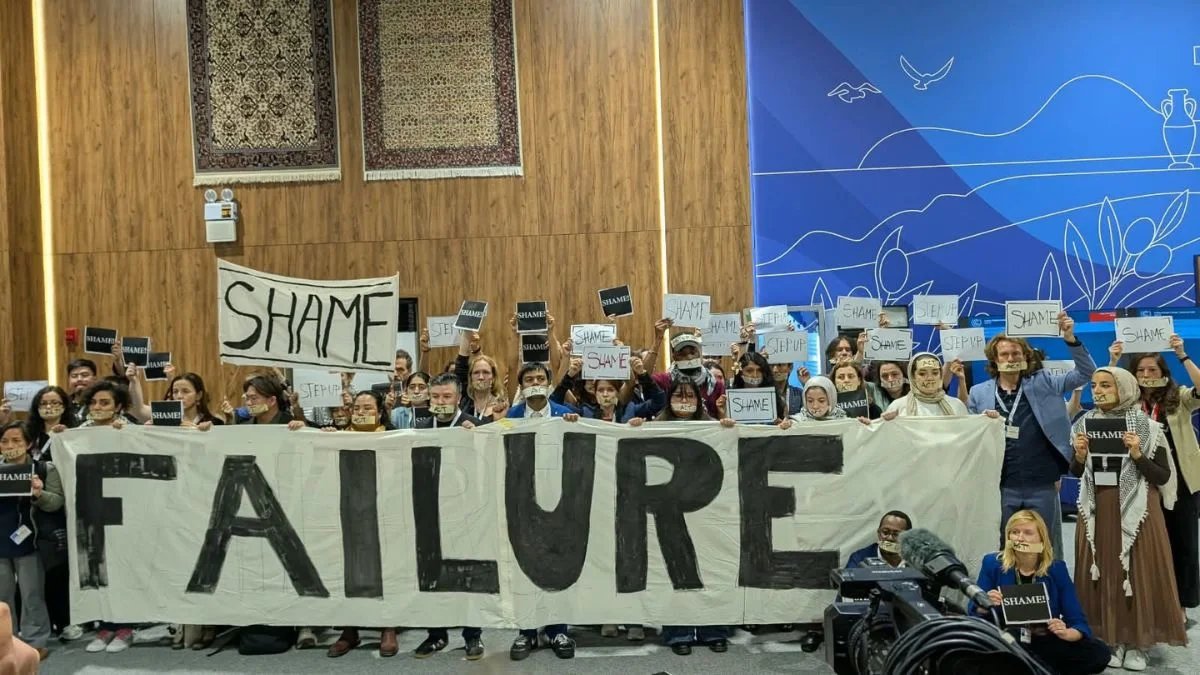
The recent collapse of negotiations at the COP31 UN climate conference has ignited a firestorm of criticism, with the European Union (EU) facing intense scrutiny for its rejection of the final cover text. Global environmental coalition Climate Action Network (CAN) has formally challenged the bloc, accusing it of performative environmentalism that masks a persistent refusal to provide the financial mechanisms essential for global climate action.
The discord centers on the EU’s decision to block the COP31 outcome, a move that campaigners argue is inseparable from the bloc’s own obstructive role during the summit. While the EU has maintained that its rejection was based on a lack of ambition regarding fossil fuel phase-outs and concerns over greenwashing, observers argue that this position is undermined by the EU’s simultaneous failure to support the financial foundations of the Paris Agreement.
“The EU has rejected this text, but it cannot wash its hands of the wreckage it helped create,” said Mohamed Adow, Director of Power Shift Africa and a member of CAN. “Adaptation, finance, and the Just Transition mechanism are dead in the water, while loss and damage has been systematically erased from these talks. For countries facing failed harvests, destroyed homes, and mounting debt, this amounts to abandonment by the wealthy nations most responsible for the crisis.”
Adow highlighted what he described as a “staggering” level of hypocrisy, noting that European governments continue to expand their own fossil fuel infrastructure while simultaneously demanding rigid transition roadmaps from developing nations. According to CAN, the EU’s insistence on ambitious climate targets for the Global South remains hollow without the corresponding financial support required to facilitate such a shift.
The criticism was echoed by Harjeet Singh, Founding Director of the Satat Sampada Climate Foundation and Global Convenor of the Fill The Fund campaign. Singh, who is heavily involved in the advocacy for Loss and Damage funding, argued that the proposed COP31 text was inherently flawed, but that the EU’s approach to the negotiation was equally problematic.
“Many developing countries and those of us in civil society reject this text too, because it lacks funding for people facing climate disasters, offers no concrete plan to end fossil fuels, and relies on unproven, gigatonne-scale carbon capture targets,” Singh stated. “However, behind closed doors, the EU blocked a meaningful Just Transition Mechanism. Rejecting a text over missing fossil fuel language is justifiable, but doing it while refusing to pay for the transition is hypocrisy. You cannot demand ambition from developing countries and refuse to fund it.”
The debate underscores a deepening divide in international climate politics. While the EU positions itself as a moral leader in climate diplomacy, NGOs argue that its refusal to prioritize the Adaptation Fund and the Loss and Damage Fund creates a chasm between rhetoric and reality. By failing to bridge this financial gap, critics argue that wealthy nations are effectively stalling the global response to the climate crisis.
For civil society groups, the path forward requires more than just high-level rhetoric or the rejection of flawed documents. As climate impacts intensify, the demand from the Global South is becoming increasingly clear: any credible framework must be “fair, fast, and funded.” Without a substantive commitment to climate justice, the COP process risks becoming an exercise in diplomatic stalemate, leaving the world’s most vulnerable populations to bear the cost of institutional inaction. As the dust settles on the failed summit, the pressure remains on major powers like the EU to reconcile their domestic policies with their international obligations.
Disclaimer: This content is auto-generated for informational purposes only.
Source: Read Original News