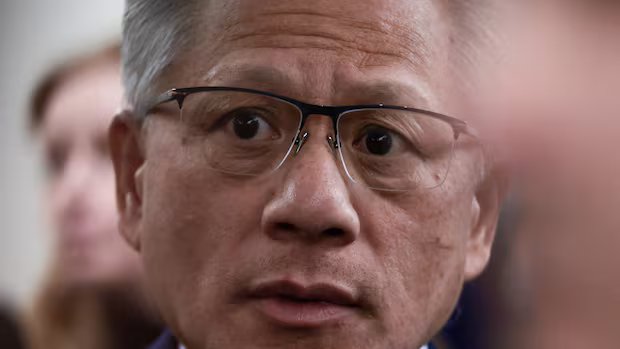








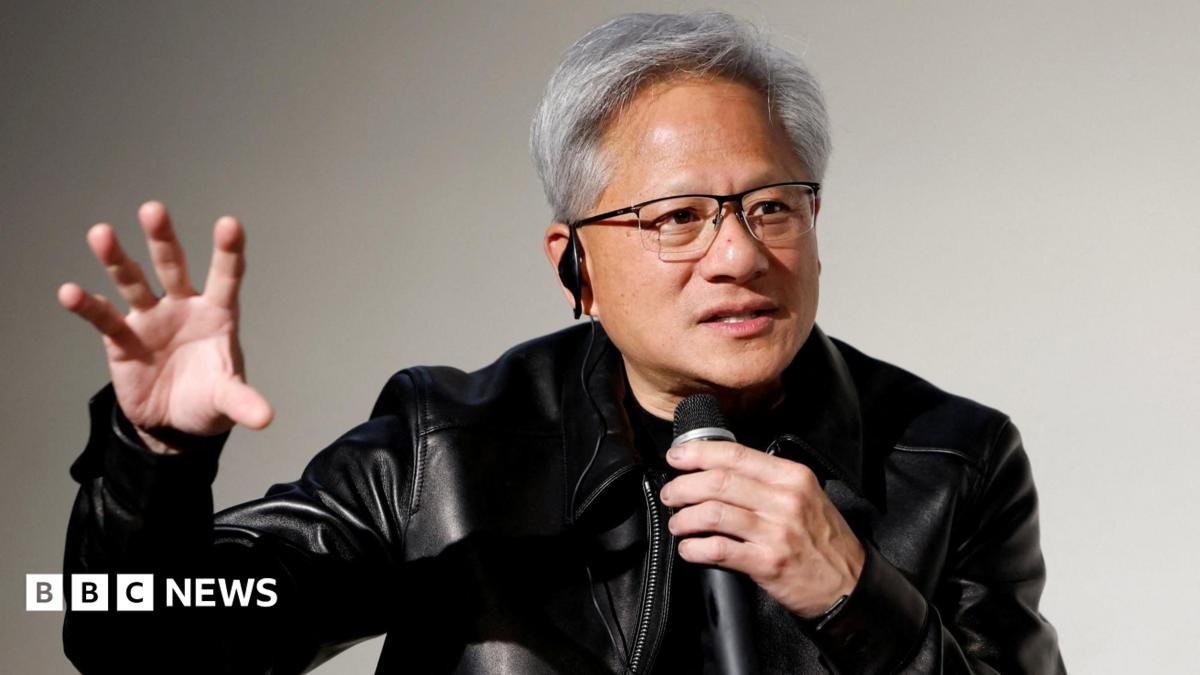
In a stunning reversal that has sent shockwaves through Silicon Valley, Jensen Huang is set to return to the helm of Nvidia just eleven days after his abrupt departure. The move comes as an immediate response to mounting anxiety among tech giants and investors who feared that the chipmaker’s leadership vacuum threatened the stability of the entire artificial intelligence ecosystem.
Huang’s brief exit had plunged the industry into a state of precarious uncertainty. Having spearheaded Nvidia’s aggressive pivot toward AI, Huang functioned as both the chief executive and the central nervous system of the company. Known for a uniquely centralized management style, he reportedly had as many as 200 staff members reporting directly to him. His influence, however, extended far beyond organizational charts; he was widely regarded as the primary architect and cheerleader for the current global boom in AI investment.
The urgency for his return stems from Nvidia’s intricate role in the modern tech economy, particularly its controversial and complex “circular financing” model. Nvidia does not simply sell hardware to titans like Meta, OpenAI, and SpaceX; it has effectively funded the expansion of its own customer base. By providing direct loans and capital investments to firms throughout the supply chain, Nvidia created a self-reinforcing network of growth.
When Huang departed, analysts warned that this fragile “spider’s web” of financial interdependencies could collapse without his oversight. This apprehension quickly coalesced into a powerful lobby of industry titans. High-profile figures, most notably Elon Musk and Epic Games CEO Tim Sweeney, publicly spearheaded a “Bring Jensen Back” movement. Musk was vocal in his warnings, claiming that without Huang’s specific leadership, a series of “critical deals” vital to the future of the AI industry were at immediate risk of falling through.
The pressure from these tech heavyweights signaled to the board that the market perceived Huang not just as an executive, but as a systemic necessity. The rapid reinstatement suggests that Nvidia’s board recognized that the company’s current valuation and market dominance are intrinsically tied to Huang’s personal strategy and his ability to navigate the complex web of investments he meticulously cultivated.
For Wall Street and the wider tech sector, the news provides a sense of much-needed stability. With Huang back in the driver’s seat, the “circular financing” machine can ostensibly continue to churn, and the nervous capital that had begun to pull back during his absence is expected to flow once more. While questions regarding the long-term sustainability of Nvidia’s business model remain, for now, the “Bring Jensen Back” brigade has achieved its goal. Normal service has resumed, and the AI industry remains anchored to the vision of one man.
Disclaimer: This content is auto-generated for informational purposes only.
Source: Read Original News