








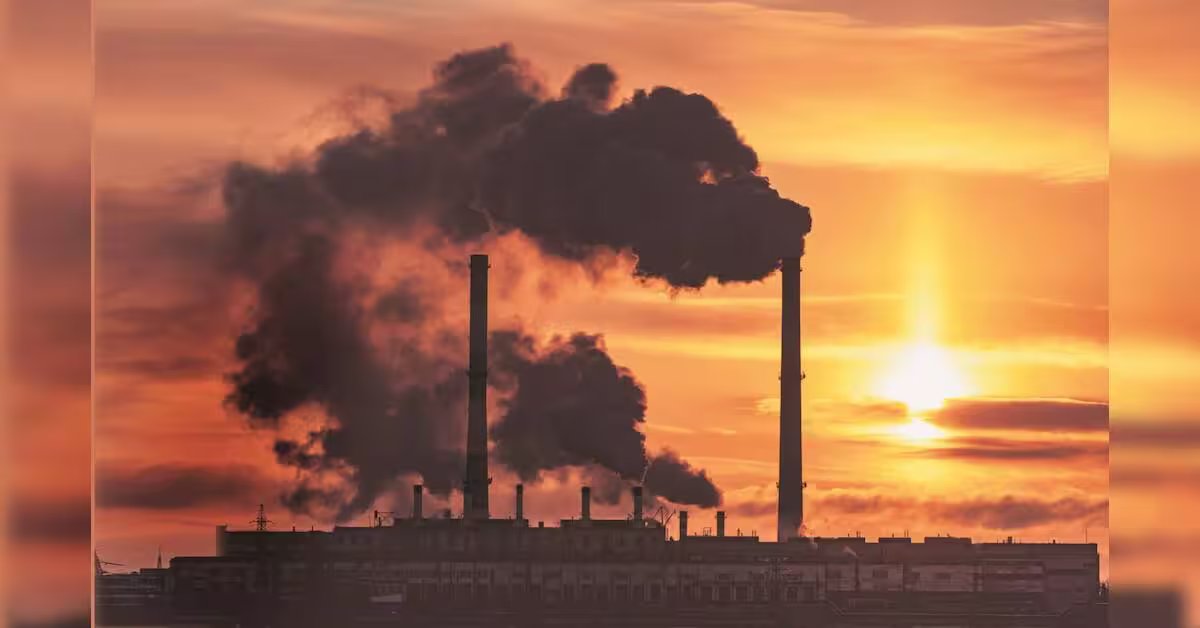
COP31 Draft Sparks Global Alarm as ‘Fossil Fuel’ Language Vanishes
The conclusion of the COP31 summit in Antalya, Turkey, has left the global climate community in a state of agitation following the release of a draft cover text that conspicuously excludes any mention of “fossil fuels.” This omission represents a stark departure from the landmark consensus reached at COP28 just three years ago, where nations formally committed to a historic “transition away” from these energy sources. For many climate advocates, the removal of this language from the Antalya draft is being interpreted as a significant retreat from binding climate promises, potentially undermining years of diplomatic progress.
India’s Energy Paradox: Reality vs. Rhetoric
The debate carries profound implications for India, which continues to navigate the complex challenge of balancing rapid industrial growth with environmental stewardship. Data from 2015 to 2024 highlights the consistency of India’s energy landscape, with fossil fuels accounting for between 73% and 76% of the country’s total energy consumption.
However, India’s position is often misunderstood when compared to other major economies. While the nation’s contribution to global fossil fuel emissions has climbed from 6.2% in 2015 to 7.9% in 2024, it remains well below the levels seen in other leading industrial powers. Countries such as China, the United States, Japan, and the United Kingdom have maintained a significantly higher reliance on fossil fuels, with these sources consistently accounting for more than 80% of their total energy mix over the last decade.
While China saw its share of global emissions rise from 29% to 33% between 2015 and 2024, the United States recorded a decline from 14% to 12%. India’s rise, while statistically evident, underscores the tension between its developmental imperatives and international climate expectations.
Shifting the Tide: Post-Covid Energy Reforms
Despite the heavy reliance on traditional fuels, a granular look at the data reveals a transformative trend within India’s power sector. In the post-pandemic landscape, India has accelerated its pivot toward cleaner energy alternatives. Recent figures regarding the energy-wise share of installed capacity demonstrate a steady and deliberate increase in non-fossil-fuel-based energy.
Government initiatives aimed at scaling solar, wind, and green hydrogen infrastructure have begun to reshape the nation’s energy architecture. These efforts signal a clear trajectory toward diversifying the national grid, even as the government maintains that the transition must be equitable and cognisant of the needs of a developing economy.
The Road Ahead for Global Climate Policy
The removal of the phrase “fossil fuels” from the Antalya text has cast a long shadow over the efficacy of international climate negotiations. Critics argue that by diluting the language, leaders are providing an exit strategy for high-emission economies, potentially stalling the momentum generated in Dubai three years ago.
For a nation like India, the shifting global narrative creates a delicate dilemma. As it pushes to meet its own ambitious net-zero targets and expands its renewable capacity, the global failure to clearly define the path away from fossil fuels could inadvertently complicate investment flows and climate finance accessibility. As the dust settles on COP31, the focus is now shifting to whether individual nations will uphold the spirit of the COP28 pledge, regardless of the omissions made in the latest diplomatic drafts.
Disclaimer: This content is auto-generated for informational purposes only.
Source: Read Original News