





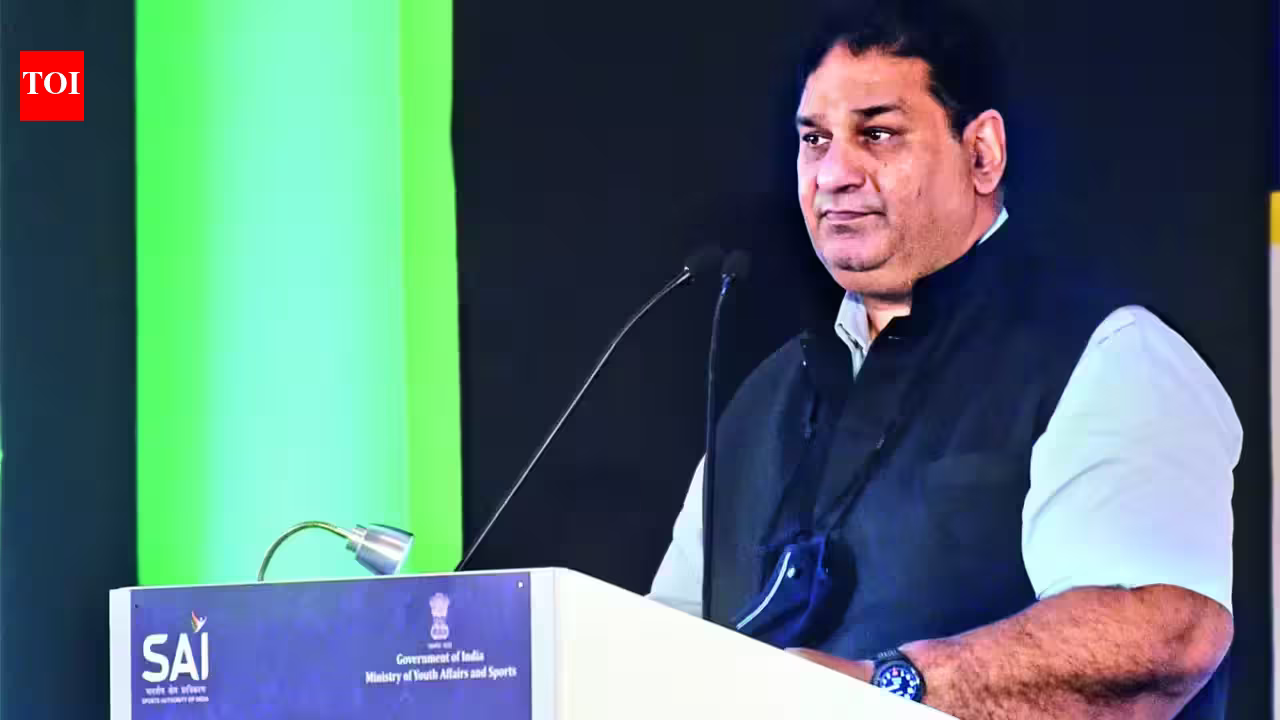
NEW DELHI — The political chessboard of Indian sports administration took a dramatic turn on Monday as the Indian Olympic Association (IOA) witnessed the first wave of high-stakes nominations. In a coordinated display of strategy and ambition, Fencing Association of India (FAI) secretary Rajeev Mehta officially entered the fray for the IOA presidency, marking the first major move in what is shaping up to be a defining election cycle for the nation’s premier sports body.
The activity at the Athletics Federation of India (AFI) office served as the epicenter for the day’s developments. After a quiet opening day that saw no candidates step forward, the atmosphere shifted to one of urgency as power brokers and seasoned administrators finalized their proposers and seconders to secure their spots on the ballot.
A Multi-Pronged Push for Executive Control
While Mehta’s bid for the top office headlined the day, the nomination process saw a flurry of filings for Executive Council positions, signaling a massive restructuring effort within the IOA hierarchy. Joining the race for the council were Swimming Federation of India (SFI) president RN Jayaprakash and Indian Kayaking & Canoeing Association’s Prashant Kushwaha.
Perhaps the most notable addition to the list of candidates for the Executive Council is London 2012 Olympic bronze medalist Yogeshwar Dutt. The decorated wrestler has entered the race through the “Sportspersons of Outstanding Merit” (SOMs) route, a mechanism designed to bring elite athlete perspective into the upper echelons of sports governance. Dutt is one of four male athletes utilizing this pathway, reflecting a broader trend of shifting the IOA’s composition toward individuals with direct experience on the field of play.
The Looming Showdown: Titans of Administration Prepare
The field is expected to expand significantly by the time the shutters come down at 4:30 PM on Tuesday. Industry insiders and close observers of the IOA are bracing for a high-profile confrontation. Current IOA president PT Usha is widely expected to defend her record, seeking to retain control amidst a volatile political environment. Meanwhile, Gagan Narang, the current IOA vice-president and Olympic medalist, remains a pivotal figure who could tip the scales depending on his eventual commitment.
However, the name causing the most significant stir in the capital’s corridors of power is Virender Sachdeva. The Archery Association of India (AAI) secretary general has emerged as a formidable contender for the presidency. Sources indicate that Sachdeva’s deep-rooted political connections, combined with his extensive track record in administrative capacities across national sports federations, have made him a preferred candidate among influential stakeholders. His candidacy is viewed as a calculated effort to align the IOA more closely with government-supported administrative policies.
A New Guard for Representation
The democratic process for this election covers a wide spectrum of critical roles: senior vice-president, male and female vice-presidents, treasurer, and joint secretaries. Among the notable names present at the AFI office to register their intent were IOA treasurer Sahdev Yadav, Maninder Pal Singh of the Cycling Federation of India, and table tennis legend Kamlesh Mehta, who is also filing through the SOMs category.
Furthermore, the race for the women’s vice-president position has gained a high-profile entrant in Sunaina Kumari. Daughter of the late veteran sports administrator and former Olympic Council of Asia (OCA) president Raja Randhir Singh, Kumari carries a legacy of institutional knowledge that could prove vital in the upcoming vote. Her presence adds a layer of continuity to the proceedings, balancing the influx of new challengers with historical administrative pedigree.
The Clock is Ticking
The assembly of heavyweights—including representatives from the Wushu Association of India, the Indian Triathlon Federation, the Judo Federation of India, and the Bowling Federation of India—underscores the importance of these elections. With every vote held by the National Sports Federations (NSFs) under scrutiny, candidates are working around the clock to consolidate their support bases.
As Tuesday marks the final day for the submission of papers, the tension in New Delhi is palpable. By Tuesday evening, the definitive list of candidates will be made public, providing a clear roadmap of the factions vying for control over India’s Olympic future. For the athletes, the result of these elections will determine the leadership tasked with guiding the country’s contingent through the next Olympic cycle, navigating funding, infrastructure development, and the ever-complex landscape of international sports diplomacy.
With the nomination period closing, the focus now shifts from the boardroom filing desks to the delicate process of canvassing, as the IOA prepares to transition into its next chapter of governance. All eyes remain on Tuesday evening, when the final lineup will reveal which vision for Indian sports—the established guard, the athlete-led movement, or the politically-aligned administration—will prevail.
Disclaimer: This content is auto-generated for informational purposes only.
Source: Read Original News