






India Announces $1.62 Billion Economic Package for Flood-Ravaged Nepal
New Delhi — In a significant move aimed at fortifying bilateral ties and supporting recovery efforts, India has unveiled a massive $1.62 billion economic aid package for Nepal. The announcement was made on Monday during the first official visit to New Delhi by Nepal’s Prime Minister Balendra Shah since he assumed office in March.
The financial commitment, which stands as one of India’s largest-ever international relief efforts, comes in the aftermath of catastrophic flooding that struck the Himalayan nation this past August. The disaster, described by experts as a consequence of climate change, was initiated by a massive mountain glacier collapse. The subsequent deluge of water and debris decimated regions in Nepal—specifically Rasuwa and Nuwakot—and spilled over into Tibet, leaving a trail of destruction that claimed over 1,300 lives, with more than 5,000 individuals still listed as missing.
Strengthening Regional Ties
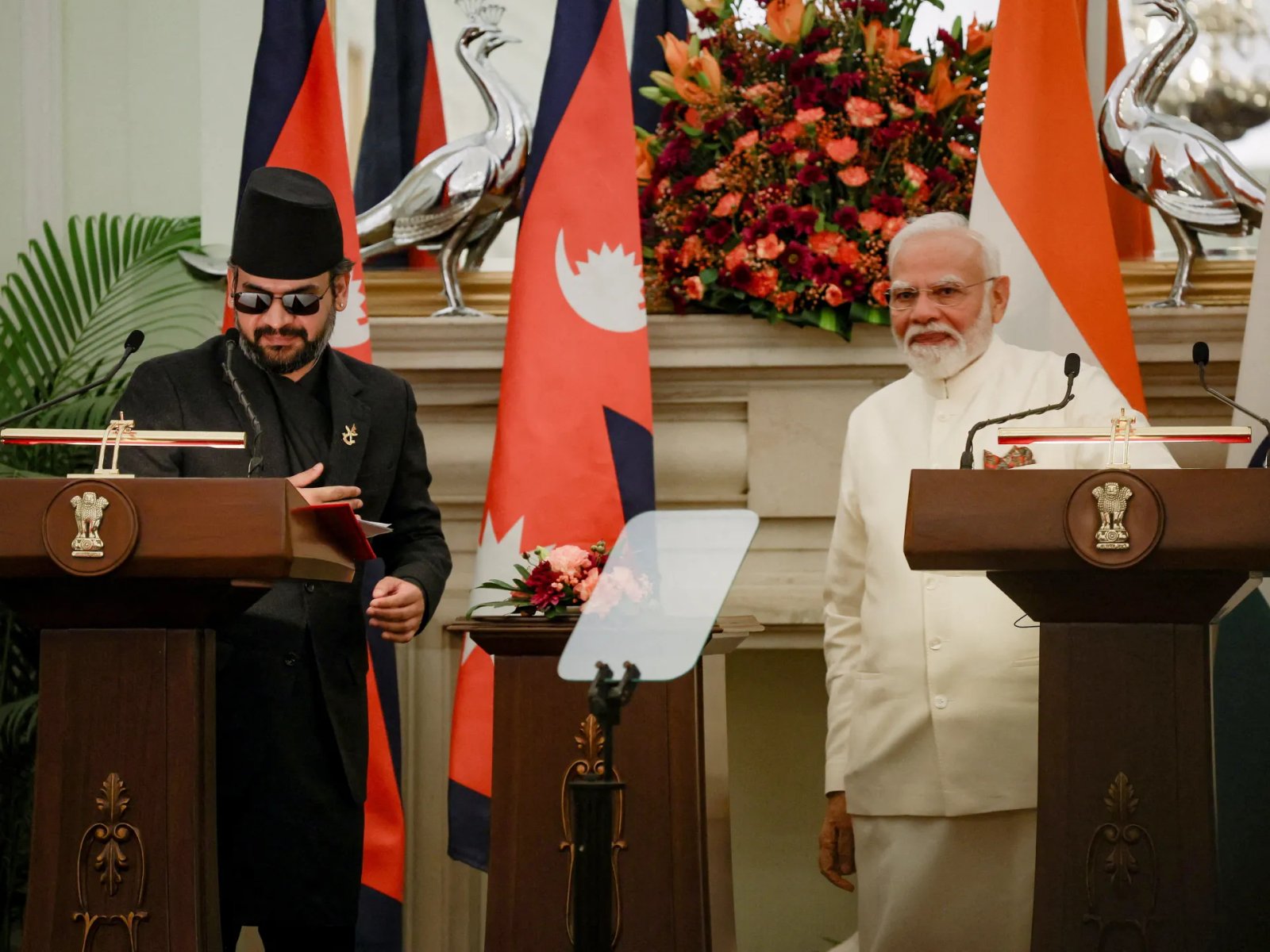
During a joint appearance with Prime Minister Narendra Modi, Prime Minister Shah was welcomed as a key partner in South Asian stability. Prime Minister Modi expressed profound sympathy for the tragedy, framing the economic assistance as both a humanitarian necessity and a pillar for long-term development.
“To support Nepal’s reconstruction and provide fresh momentum to its long-term growth, we have announced a development cooperation package worth 240 billion Nepali rupees ($1.6 billion),” Prime Minister Modi stated.
The package is strategically structured to address immediate and future needs:
- $377 million grant: Dedicated to post-disaster reconstruction and the development of new, resilient infrastructure.
- $1.24 billion line of credit: Earmarked specifically for large-scale energy projects to boost Nepal’s power sector.
Analysts suggest this substantial investment is also a clear signal of New Delhi’s intent to maintain its influence in the region, where it increasingly competes with Beijing for diplomatic and economic leverage. According to recent World Bank data, India remains Nepal’s primary trading partner, facilitating over 60 percent of the country’s imports, significantly dwarfing China’s 13 percent share.
A Broad Agenda for Cooperation
Beyond disaster relief, the two-day summit centered on deepening the strategic partnership between the neighbors. The leaders signed multiple agreements spanning education, scientific research, and satellite communications. In a gesture toward modern connectivity, the two heads of state also jointly inaugurated a new rail link designed to bolster cross-border travel and commerce.
Prime Minister Shah emphasized the historic bond between the two nations, stating, “May the friendship between Nepal and India be one where trust stands as tall as the Himalayas.”
The Indian package provides a much-needed lifeline to Kathmandu, which has struggled to secure international funding following the disaster. While the United Nations climate loss and damage fund previously allocated $20 million to aid the recovery, the scale of India’s intervention is expected to significantly accelerate the rebuilding of schools, roads, and power grids in the devastated northern provinces. The visit marks a critical chapter for the Shah administration, setting the tone for his tenure as he balances economic recovery with regional geopolitical sensitivities.
Disclaimer: This content is auto-generated for informational purposes only.
Source: Read Original News