









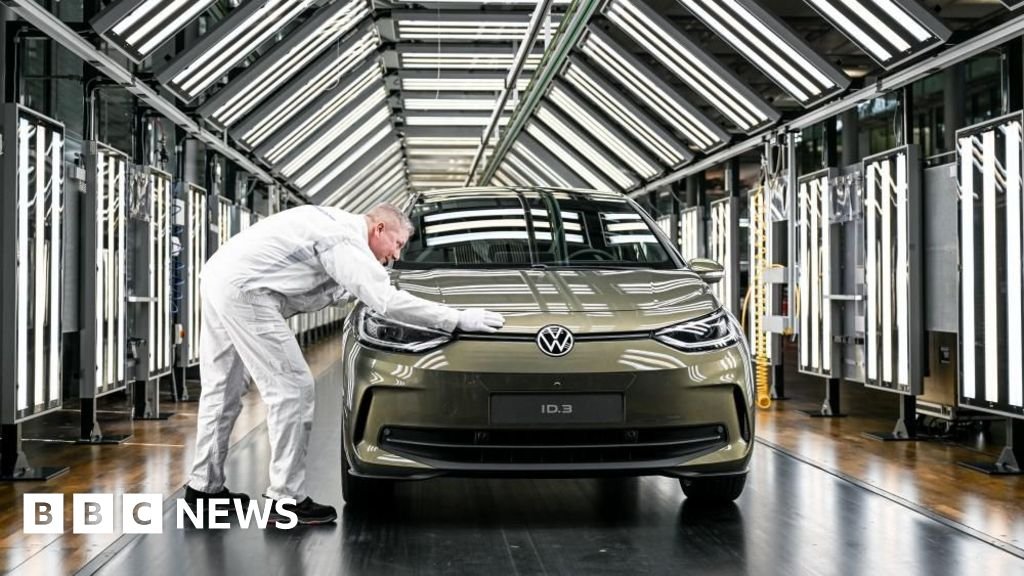
Volkswagen Group Announces Strategic Workforce Adjustments Amid Industry Shifts
Volkswagen Group, the multinational automotive powerhouse encompassing brands such as Audi, Porsche, Skoda, and the namesake Volkswagen brand, officially announced a comprehensive restructuring plan in March aimed at significantly reducing its global workforce by 50,000 positions. This strategic initiative is designed to address the evolving demands of the automotive sector, characterized by a rapid transition toward electric vehicle (EV) production, software-driven manufacturing, and fluctuating global market conditions. The workforce reduction is part of a broader, multi-year organizational transformation intended to streamline operations and ensure long-term financial viability in an increasingly competitive international landscape.
The decision to implement these personnel cuts reflects the broader systemic challenges currently facing legacy automakers as they grapple with the high capital requirements of electrification and the integration of advanced digital technologies. By consolidating its manufacturing processes and optimizing its administrative frameworks, Volkswagen aims to shift its resource allocation toward battery technology, autonomous driving systems, and sustainable production methodologies. Industry analysts monitoring updates via platforms like Google News have observed that this restructuring is a critical component of the company’s “ACCELERATE” strategy, which seeks to position the group as a leader in the global transition toward zero-emission mobility. The management board has emphasized that these measures are essential to maintaining the group’s competitiveness against both traditional rivals and emerging pure-play electric vehicle manufacturers.
Despite the scale of the proposed layoffs, the company has indicated that the downsizing process will be managed through a combination of voluntary departures, early retirement programs, and the non-renewal of temporary contracts. The group remains in ongoing consultations with employee representatives and labor unions to mitigate the social impact of these reductions. While these adjustments represent a significant contraction of the workforce, leadership at Volkswagen maintains that the strategy is necessary to foster innovation and achieve the group’s carbon neutrality targets by 2050. The effectiveness of this structural shift will be closely scrutinized by investors and policymakers alike, as it serves as a bellwether for the industrial transformation occurring throughout the European automotive sector. As the group moves forward, the focus remains on balancing fiscal responsibility with the massive investment required to sustain technological leadership in a carbon-constrained global market.
Source: Read Original News