







Workplace Transformation: AI Adoption and Shifting Employee Expectations in India
A recent study conducted by Great Place To Work India has highlighted significant shifts in the modern workplace, driven by the rapid integration of artificial intelligence and evolving employee priorities. The research, which provides insights into current labor trends, reveals that approximately 13 percent of employees are experiencing high levels of burnout. Simultaneously, the study notes that nearly one-quarter of Chief Human Resources Officers (CHROs) anticipate a reduction in workforce headcount by 1 to 20 percent over the next two years as a result of AI adoption. These findings reflect broader themes often discussed in updates from Google News regarding the intersection of technology and labor markets.
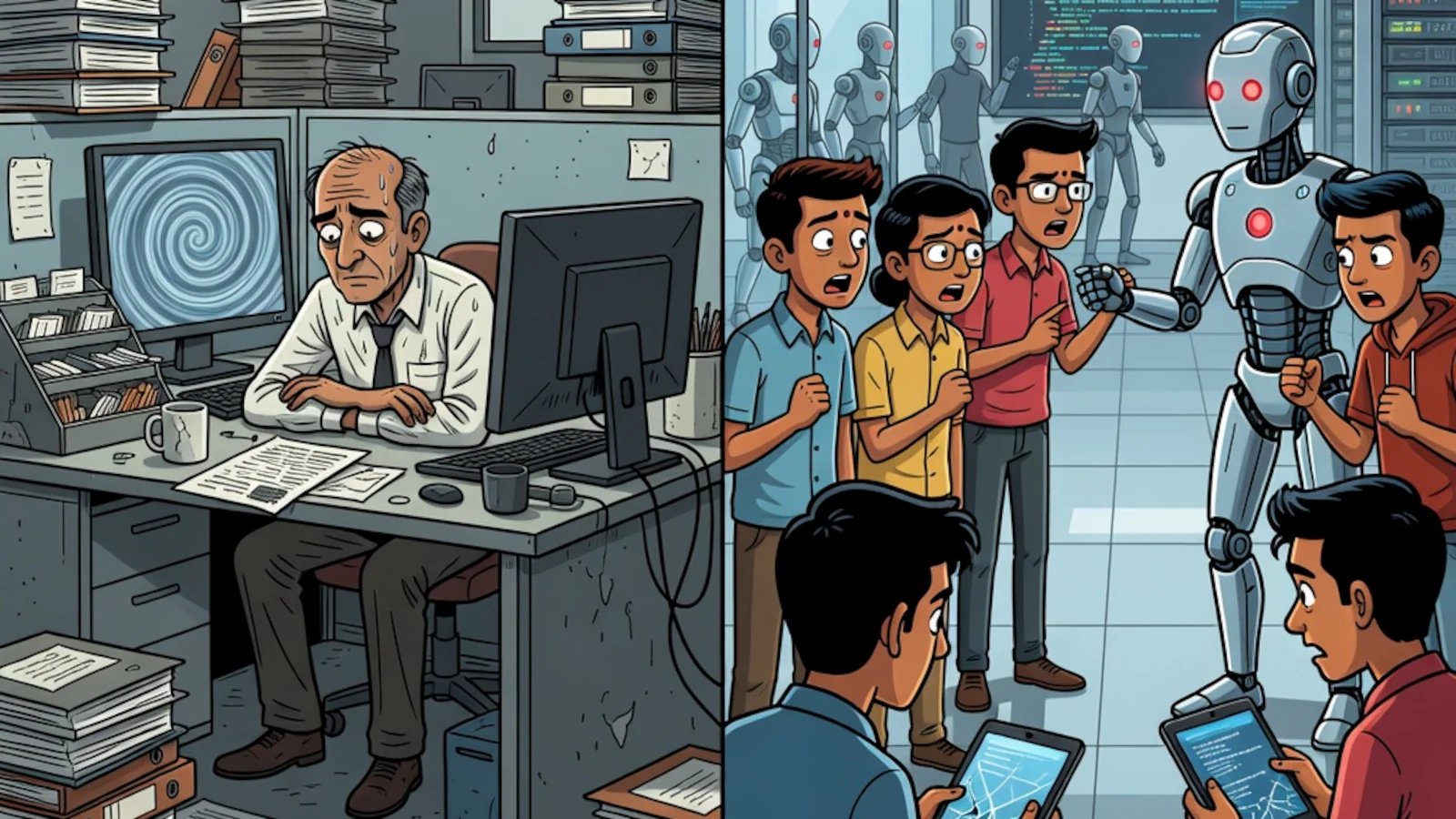
The transition toward an AI-integrated workplace has moved beyond experimental phases, with companies now deploying the technology across various internal functions. However, this shift has introduced significant management challenges. According to the report, 44 percent of CHROs expressed concern over a growing divide between employees who can effectively leverage AI and those who struggle to adapt. Furthermore, trust remains a core issue, as 32 percent of HR leaders report that staff are often uncertain about the validity and reliability of AI-generated outputs. Balbir Singh, CEO of Great Place To Work India, noted that organizations are currently navigating the simultaneous pressures of workforce transformation, the implementation of new technology, and changing demands from a younger, more purpose-driven workforce.
Employee well-being continues to be a focal point for leadership, though data shows mixed results. While the prevalence of “medium burnout” has decreased compared to 2019 figures, high burnout levels have remained relatively stable between 2022 and 2026. This period has also seen a demographic shift, with Gen Z now representing 26 percent of the total workforce. This generation, according to 81 percent of surveyed CHROs, prioritizes workplace flexibility significantly more than older generations. Consequently, organizations are seeing a decline in discretionary effort, as many employees report a decreased willingness to exceed baseline job requirements without a clearer sense of organizational purpose.
The findings suggest that the future success of businesses will depend on their ability to manage these multifaceted challenges. Beyond the technical implementation of AI, leadership must address the human element of the transition, specifically regarding performance evaluation and job security. With 26 percent of employees feeling that leadership has not provided adequate clarity on future job roles, the report underscores a critical need for transparent communication. As businesses continue to adapt to these shifts, the ability to balance technological efficiency with a supportive and communicative corporate culture remains the primary challenge for the modern enterprise.
Source: Read Original News