









Market Dynamics: Indian Cotton Yarn Sector Faces Bearish Trends Amid Sluggish Demand
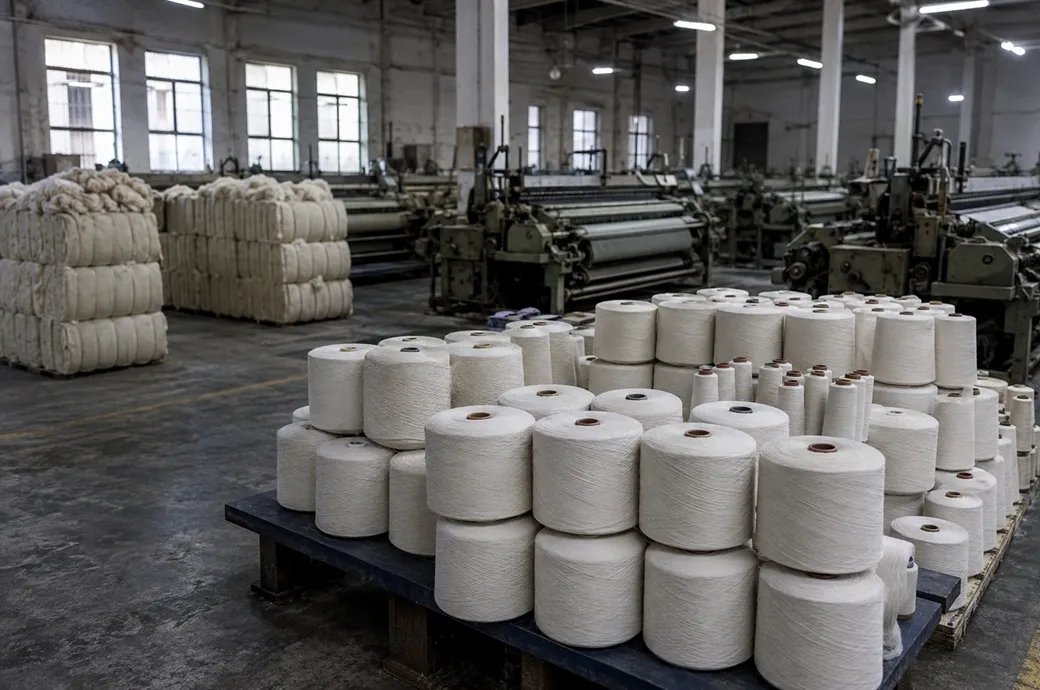
The Indian textile industry is currently grappling with a significant downturn in sentiment as the cotton yarn market experiences a bearish phase, particularly in major trading hubs like Mumbai. This trend is primarily driven by a confluence of factors, including the consistent decline in raw cotton prices, which has discouraged bulk procurement, and an overall sluggishness in downstream demand. As fabric producers and weaving units struggle with weak sales at higher price points, they have been forced to slow down production cycles, leading to reduced intake of yarn. Consequently, carded yarn prices have witnessed a notable dip, with market reports indicating a decrease of several rupees per kilogram. The volatility in global markets, underscored by a sharp decline in ICE cotton futures, has further compounded the instability, impacting pricing structures across states like Gujarat and tempering the outlook for domestic spinners.
In the Mumbai market, the situation has become increasingly challenging for both traders and manufacturers. Loom owners, particularly those in critical hubs like Bhiwandi, are finding it difficult to absorb the high costs of raw materials while facing consistent pressure from retailers to maintain stable fabric prices. Reports suggest that some major weaving facilities are considering implementing partial shutdowns, including potential three-day work weeks, to mitigate inventory pile-ups and manage operational costs. Beyond demand-side woes, payment constraints have emerged as a systemic issue; the standard rotation of funds among industry players has decelerated, leading to liquidity concerns. As profit-booking continues in the carded yarn segment, the resulting price correction reflects a cautious industry stance, with stakeholders prioritizing cash flow preservation over new inventory accumulation.
Despite the prevailing gloom in Mumbai, the broader textile industry shows varying degrees of impact across different regional centers. For instance, the Tiruppur market has maintained a degree of price stability compared to its peers; however, this steadiness is largely artificial, supported by sellers offering higher-than-usual discounts to stimulate buyer interest and clear surplus stock. The current price landscape for various counts—ranging from carded warp and weft to high-end combed varieties—reflects a market in search of a new floor. Traders remain vigilant, noting that until raw material prices stabilize and retail consumption for finished fabric improves, the pressure on yarn margins is likely to persist. For now, the combination of cautious buyer behavior and supply-side adjustments continues to define the immediate trajectory of the cotton yarn sector, keeping both producers and distributors on high alert for potential shifts in the coming months.
Source: Read Original News