








BALTIMORE — Baltimore voters will head to the polls this November to decide on a measure that could fundamentally reshape the city’s legislative and fiscal landscape. Ballot Question F, a seven-paragraph proposal, seeks to amend the City Charter to alter how Baltimore handles its contracts, spending, and broader fiduciary responsibilities.
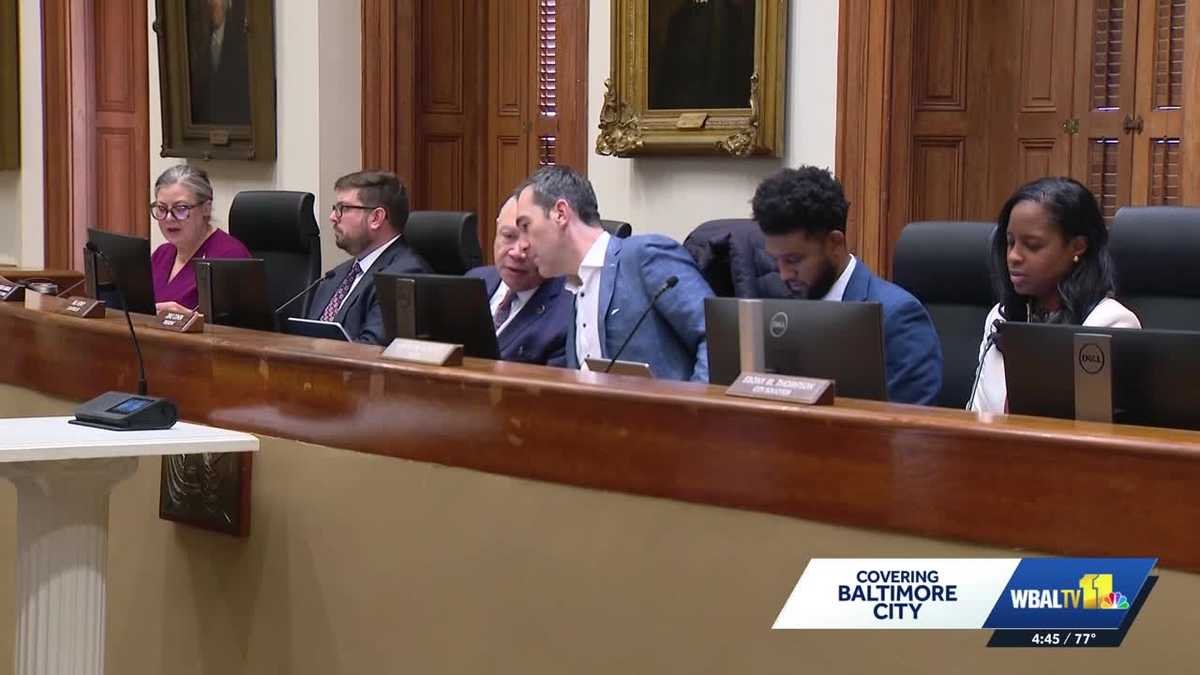
At the heart of the debate is the future of the city’s Board of Estimates (BOE). Currently, the board holds significant power over municipal finances, but critics—including City Council President Zeke Cohen—argue the system is “antiquated” and creates an imbalance of power. Under the current structure, Mayor Brandon Scott maintains a commanding influence; because he appoints the city solicitor and the director of public works, the mayor effectively controls three of the five votes on the board, often sidelining both the City Council President and the Comptroller.
“We believe that the local legislative branch should decide where the fiduciary financial functions of the city should go,” Cohen told WBAL-TV 11 News.
If passed, Question F would serve as a crucial first step toward reform. While skeptics have raised concerns that the measure could inadvertently centralize power within the executive branch by 2028, Cohen insists the intent is the opposite. He views the question as a mechanism to grant the City Council the authority to redefine where these spending powers reside, potentially moving the city toward a structure that reduces budget redundancies. By bypassing the BOE on certain budget matters, Cohen argues the Council would gain more time and leverage to negotiate the city’s financial priorities.
Mayor Scott has publicly thrown his support behind the ballot initiative, characterizing it as a necessary modernization of the city’s procurement practices. “We’re one of the few cities that still operate like this,” Scott noted, emphasizing that the change is intended to align Baltimore with more efficient, contemporary governance standards.
Comptroller Bill Henry, while characterizing Question F as a “budget cleanup,” remains cautious about the scope of the reforms. He acknowledges that while the political will for change is growing, the potential abolition of the BOE would be a complex administrative undertaking. “If we were to get rid of the Board of Estimates, there would be a lot of administrative changes that would have to be made to determine where the approval process would be moved to,” Henry said. He added that any significant structural shifts would require rigorous, long-term analysis.
The push for reform comes after years of stalled attempts to alter the BOE’s structure. A 2024 charter amendment aimed at limiting mayoral control failed to clear the City Council, but the conversation has persisted for decades. Cohen indicated that this November’s vote is likely just the beginning, signaling that voters can expect future ballot questions aimed at further decentralizing and modernizing city government.
Disclaimer: This content is auto-generated for informational purposes only. It has been rewritten and paraphrased from the original source.
Source: Read Original News