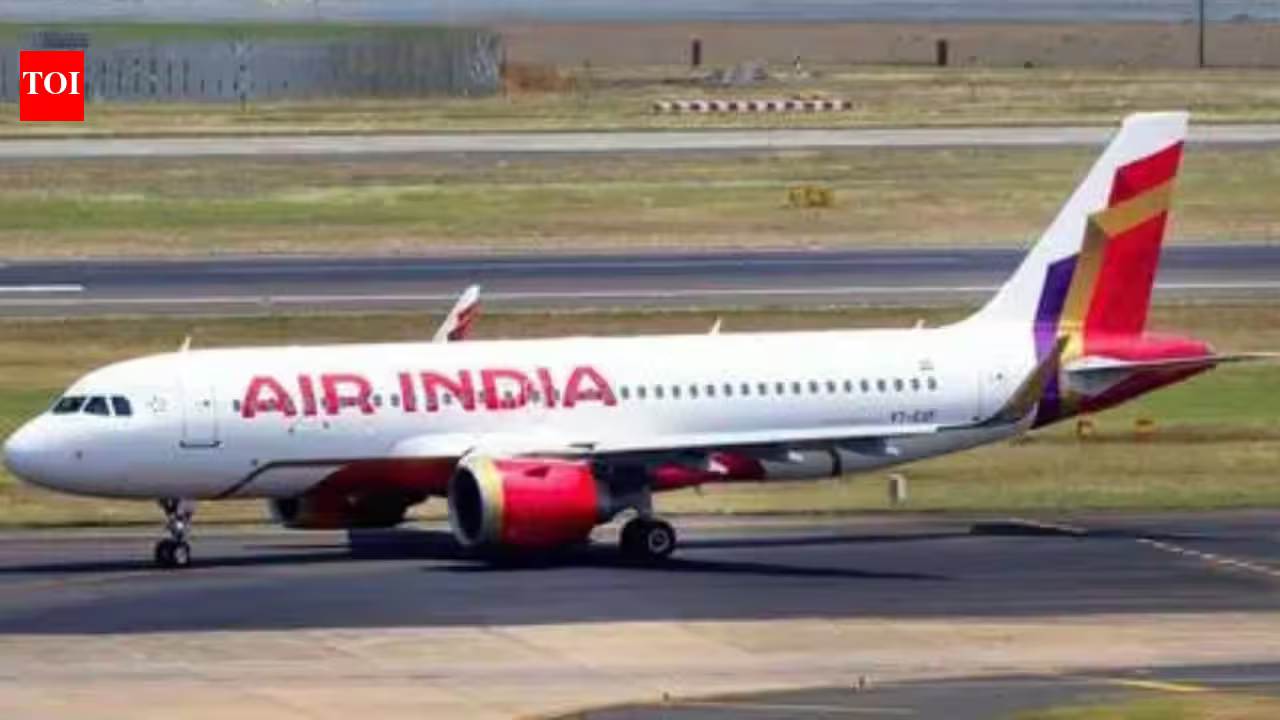









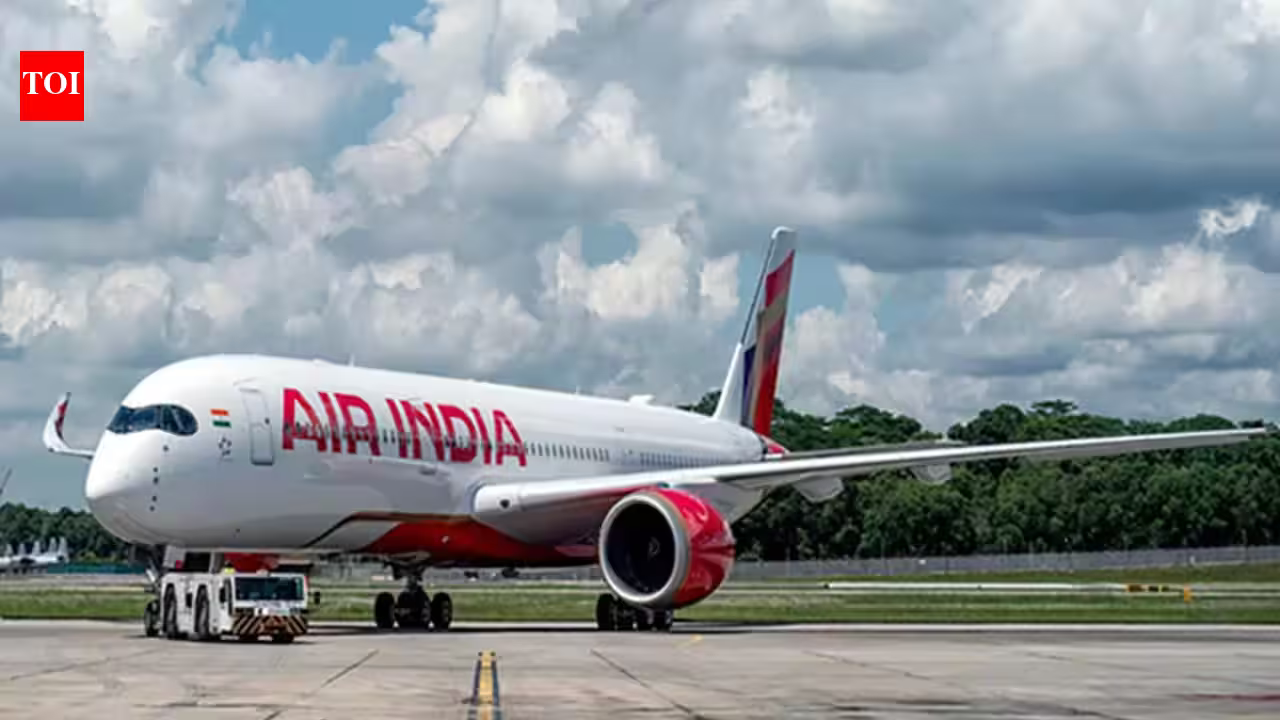
In a decisive move following a harrowing mid-air incident, Air India has terminated the employment of the pilot-in-command (PIC) of its Phuket-Delhi flight, which took place on August 4. The dismissal came just hours after the Aircraft Accident Investigation Bureau (AAIB) released a damning preliminary report, which confirmed that the pilot had tested positive for psychoactive substances.
The incident, which has been officially categorized as an “accident” due to the severity of the damage and injuries sustained, has sent shockwaves through the Indian aviation sector. Aviation authorities are now treating the pilot’s test results as a matter of “serious concern,” with the AAIB urging the Directorate General of Civil Aviation (DGCA) to prioritize more stringent anti-drug protocols across all commercial airlines.
## A “Non-Negative” Test and Immediate Consequences
While all flight crew members are routinely subjected to post-flight breathalyzer tests, the Phuket-Delhi flight prompted investigators to take the rare step of conducting additional, comprehensive dope testing. According to the AAIB’s interim report, while the co-pilot’s samples were negative, the pilot-in-command was found to be “non-negative” for psychoactive substances in the confirmatory test.
Air India, which had been weighing its options for weeks, acted swiftly following the report. An airline spokesperson reaffirmed their commitment to passenger safety, stating, “In line with AI’s zero-tolerance approach to violation of safety, fitness, or regulatory requirements, the pilot’s employment has been terminated with immediate effect.”
To bolster its safety credentials, the airline has also announced the implementation of voluntary 100% dope testing for all its pilots, signaling a move toward more rigorous internal surveillance.
## The Mystery of the Hydraulic Failure
Beyond the issue of pilot fitness, the AAIB is currently investigating the catastrophic failure of the Airbus A320’s hydraulic systems. The aircraft, which lost all three hydraulic systems within seconds, experienced a terrifying flight experience for those on board. Hydraulics are critical for operating flight controls, landing gear, and braking systems.
The severity of the “event” caused significant structural damage inside the cabin. Reports indicate that the cabin was so badly rattled that passenger service unit panels were bent or dislocated, overhead handrails were broken, and a lavatory commode was completely uprooted from its base. Additionally, 24 people, including passengers and crew, sustained injuries during the flight.
Despite the chaotic situation, the flight crew made the controversial decision to continue the journey to Delhi rather than diverting to the nearest available airport. The final AAIB report is expected to determine whether the mechanical failure was the result of a software glitch, hardware malfunction, or potential manual intervention by the crew.
## Tightening Regulatory Oversight
The incident has prompted immediate action at the government level. Aviation Secretary Samir Sinha has directed DGCA chief Vir Vikram Yadav to overhaul existing dope testing rules, aiming to close loopholes and ensure that the abuse of psychoactive substances is effectively mitigated.
As the industry grapples with the implications of this case, the focus remains on the final technical findings. Whether the incident was caused by a mechanical anomaly or human factors, the termination of the pilot serves as a stark reminder of the zero-tolerance policy that governs the safety of the Indian skies. Air India has pledged its full cooperation with the ongoing investigation, providing all necessary technical and maintenance records to ensure a thorough resolution.
Disclaimer: This India news content is auto-generated and paraphrased from original sources for informational purposes only.
Source: Read Original News