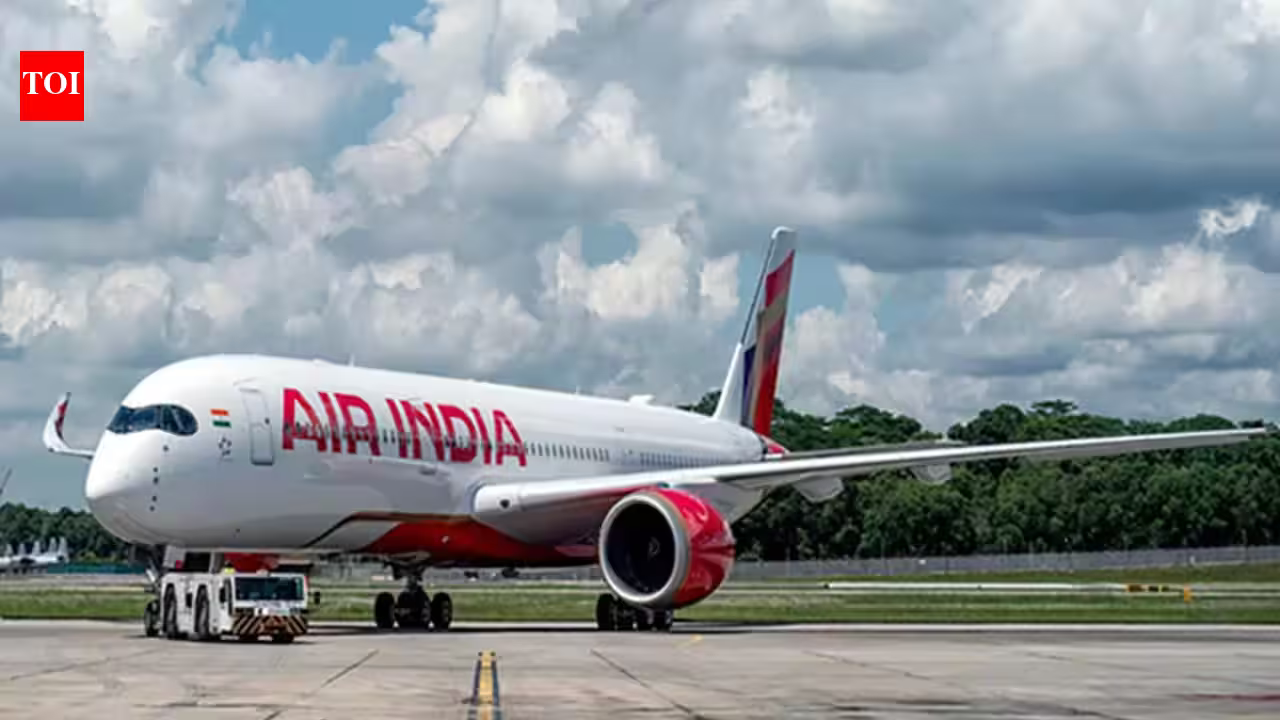









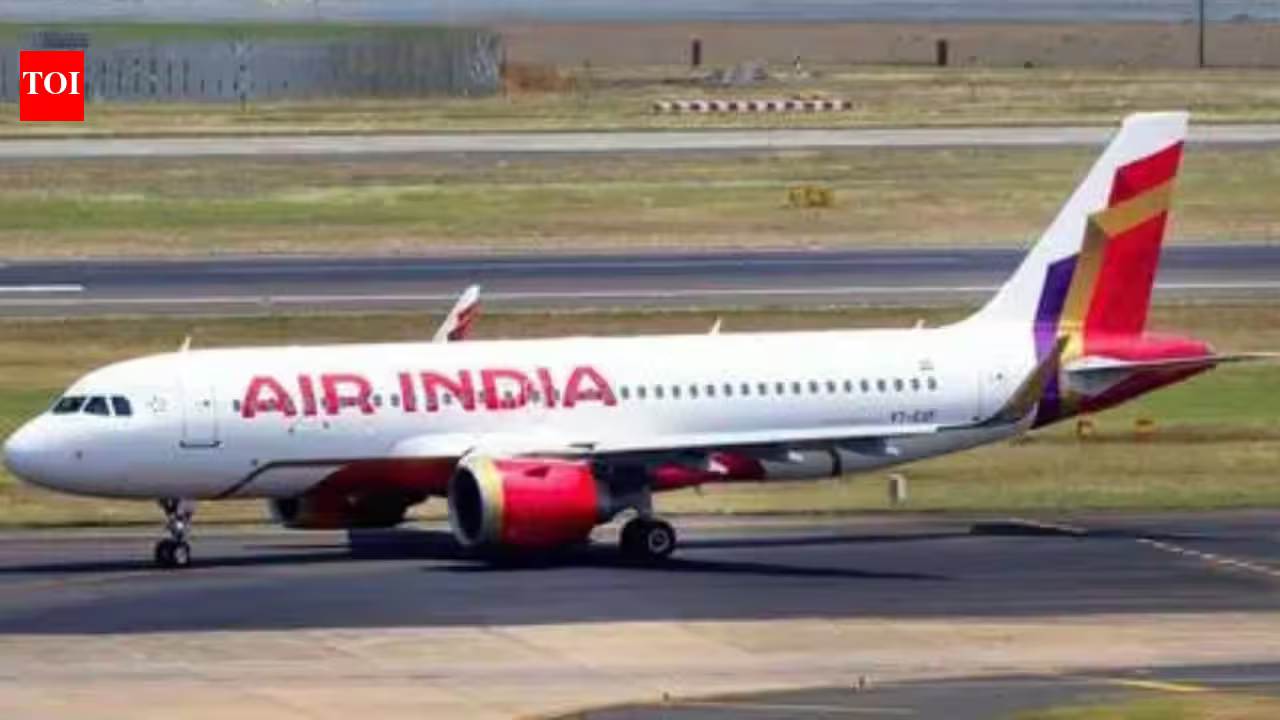
The Aircraft Accident Investigation Bureau (AAIB) has released a preliminary report detailing an “exceptionally rare” and alarming mid-air incident involving an eight-year-old Airbus A320neo (VT-EXO). The flight, which was carrying 145 passengers, experienced the near-simultaneous loss of all three independent hydraulic systems while cruising at 36,000 feet, an event described by aviation experts as “close to unthinkable.”
## A Near-Total System Collapse
The incident occurred as the aircraft was climbing from 34,000 feet to its assigned flight level of 36,000 feet within Kolkata airspace. According to the AAIB, at 9:32:43 am IST, the aircraft’s flight control system detected the failure of the green, blue, and yellow hydraulic circuits within just four seconds.
Hydraulic systems are the lifeblood of modern aviation; they provide the fluid pressure required to physically actuate an aircraft’s control surfaces, including the ailerons, elevators, and rudder. The A320 is designed with a triple-redundant architecture, meaning the loss of one, or even two systems, should theoretically leave the aircraft fully maneuverable. The total loss of all three systems represents a catastrophic failure mode that aviation designers go to great lengths to prevent.
The immediate consequence of the failure was severe: the autopilot disengaged, a continuous alarm chime sounded, and the aircraft suffered a brief, violent altitude upset. During the instability, the aircraft climbed 372 feet and subsequently dropped 292 feet, leaving 24 passengers injured.
## Unprecedented for the A320 Type
The gravity of the event has sent shockwaves through the aviation community. “Losing all three at once is considered close to unthinkable,” noted a senior aircraft maintenance engineer. While historic aviation disasters—such as the 1985 JAL 123 crash or the 1989 United Airlines DC-10 incident—have involved total hydraulic failure, those were often caused by external factors like structural disintegration or missile strikes. For a modern A320neo to experience such a failure internally is, according to experts, historically unprecedented for this specific aircraft type.
The preliminary report notes that the co-pilot, who was at the controls, responded to the upset immediately before the captain took over. Fortunately, the system failure was short-lived; the blue hydraulic system returned to functionality within seconds, followed by the yellow and green systems, which restored full control of the aircraft’s surfaces and allowed for a stable flight recovery.
## Investigation Ongoing
Despite the detailed account of the event, the AAIB report remains notably silent on the root cause. The investigators have collected fluid samples, hydraulic components, and digital flight data for analysis, but the report offers no preliminary findings or safety recommendations at this stage.
For passengers and industry observers, answers will be a long time coming. The final investigative report, which is expected to identify the probable cause and any necessary contributory factors, is not scheduled to be published until on or before August 4, 2027. Until then, the aviation industry is left to grapple with the mystery of how a triple-redundant system, designed to be fail-safe, could simultaneously collapse at 36,000 feet.
Disclaimer: This India news content is auto-generated and paraphrased from original sources for informational purposes only.
Source: Read Original News