








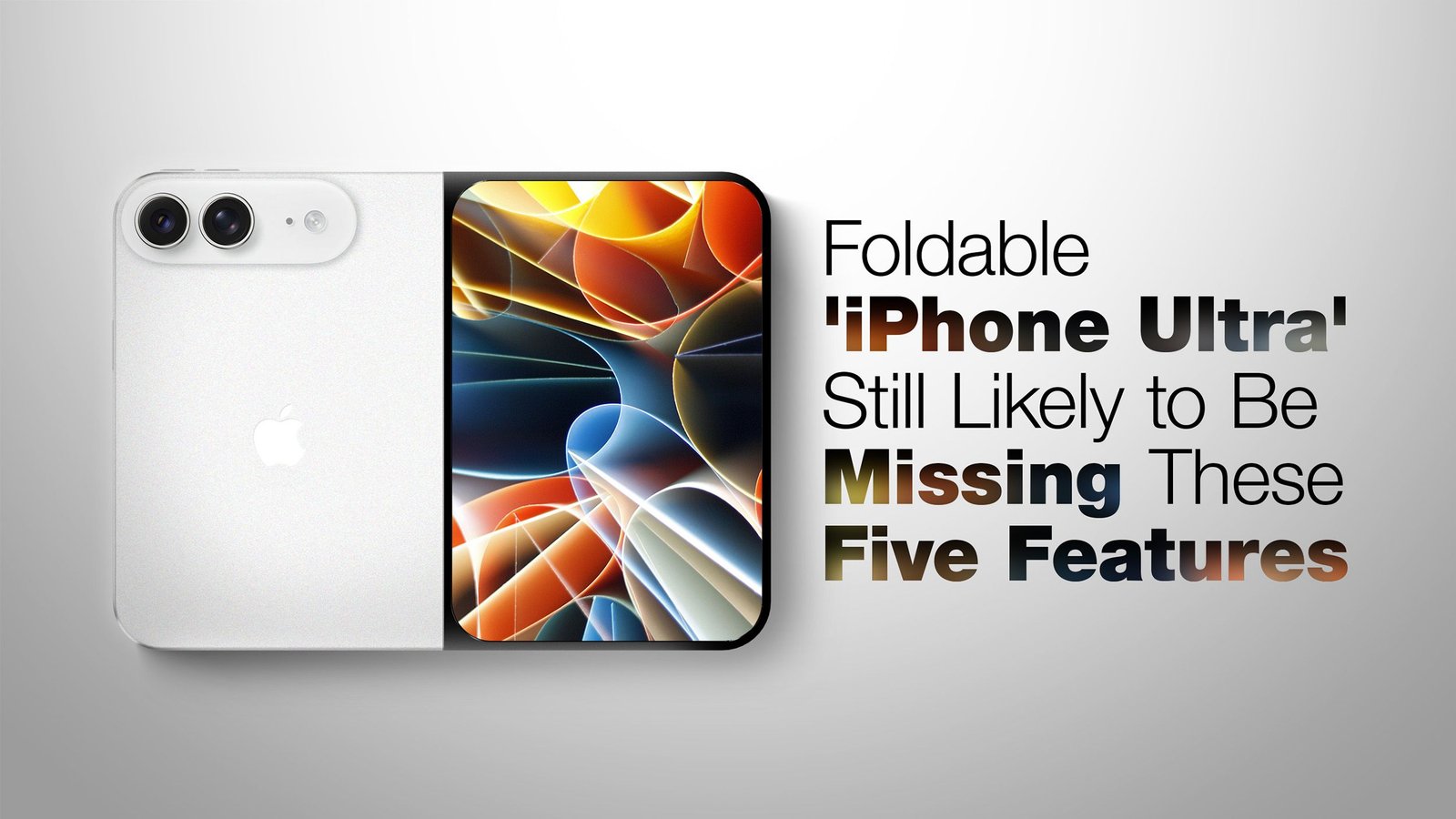
Apple is reportedly gearing up to unveil its inaugural foldable smartphone, colloquially dubbed the “iPhone Ultra.” While anticipation for the company’s first entry into the foldable market is reaching a fever pitch, technical specifications suggest that users may need to accept significant compromises. Despite a premium starting price projected to fall between $2,000 and $2,500, the device is expected to lack several key features that will remain standard on the upcoming iPhone 18 Pro lineup.
The Departure from Face ID
One of the most notable technical shifts in the iPhone Ultra is the removal of the TrueDepth camera array, which has powered biometric authentication for nearly a decade. Due to the extreme thinness required for the foldable design, Apple has reportedly determined that the existing Face ID module is too bulky to be accommodated within the chassis.
In place of Face ID, Apple is expected to return to a biometric authentication method not seen in flagship handsets since the iPhone 7: a side-mounted Touch ID sensor integrated into the power button. While the device will still feature camera hardware—specifically an under-display sensor for the inner screen—the shift to fingerprint-based security represents a reversal of the industry trajectory Apple helped establish. In contrast, the iPhone 18 Pro models are slated to further refine the user experience by shrinking the Dynamic Island, housing the flood illuminator for Face ID beneath the display.
Limitations in Optical Performance
For professional users and photography enthusiasts, the camera system of the iPhone Ultra may represent the device’s most contentious limitation. Early design leaks and dummy models suggest that the foldable handset will feature only two rear-facing cameras: a 48-megapixel Wide lens and a 48-megapixel Ultra Wide lens.
The absence of a third, telephoto lens—a staple of the Pro series—significantly limits the optical zoom capabilities of the device. Industry analysts suggest that while the primary sensors will deliver high-quality images, the lack of dedicated telephoto optics could alienate power users who have grown accustomed to the versatile imaging suites provided by the Pro Max and Pro models.
Hardware Layout and Button Geometry
The structural design of the iPhone Ultra necessitates an unconventional internal layout. Rumors indicate that the motherboard has been relocated to the right side of the device to manage heat and internal volume. This decision has caused a ripple effect in the handset’s external design, specifically regarding the Action button.
Unlike the standard iPhone 18 series, the iPhone Ultra appears to omit both the Action button and the traditional silent switch. Furthermore, the volume buttons have been relocated to the top edge of the device, mirroring the configuration seen on the iPad mini. This design choice marks the first time a modern, high-end iPhone will lack an Action button or dedicated physical silent toggle, likely forcing users to rely on software-based control centers for system-level adjustments.
Connectivity and Modem Strategy
The transition to in-house silicon is expected to continue with the iPhone Ultra, which may be the first to feature Apple’s C2 modem. While this represents a strategic milestone in the company’s quest for vertical integration, it carries a technical penalty: the C2 modem is rumored to lack support for mmWave 5G connectivity.
By contrast, the iPhone 18 Pro models are expected to continue using Qualcomm hardware in the United States to ensure support for high-frequency mmWave bands. If the iPhone Ultra is indeed limited to sub-6GHz 5G networks, users may experience slower data transfer speeds in dense urban environments compared to their counterparts using the Pro models. Additionally, the device is confirmed to be an eSIM-only platform, aligning with the industry-wide push to remove physical SIM trays to save internal space and improve water resistance.
The Role of MagSafe and Market Positioning
Amidst concerns regarding feature stripping, recent reports indicate that Apple has successfully integrated MagSafe support into the folding chassis. Initially, the absence of magnetic indentations on early test units created confusion, but final production designs are expected to include the necessary magnetic ring. This inclusion ensures that the Ultra will remain compatible with the vast ecosystem of wireless chargers, wallets, and stands that have become integral to the mobile experience.
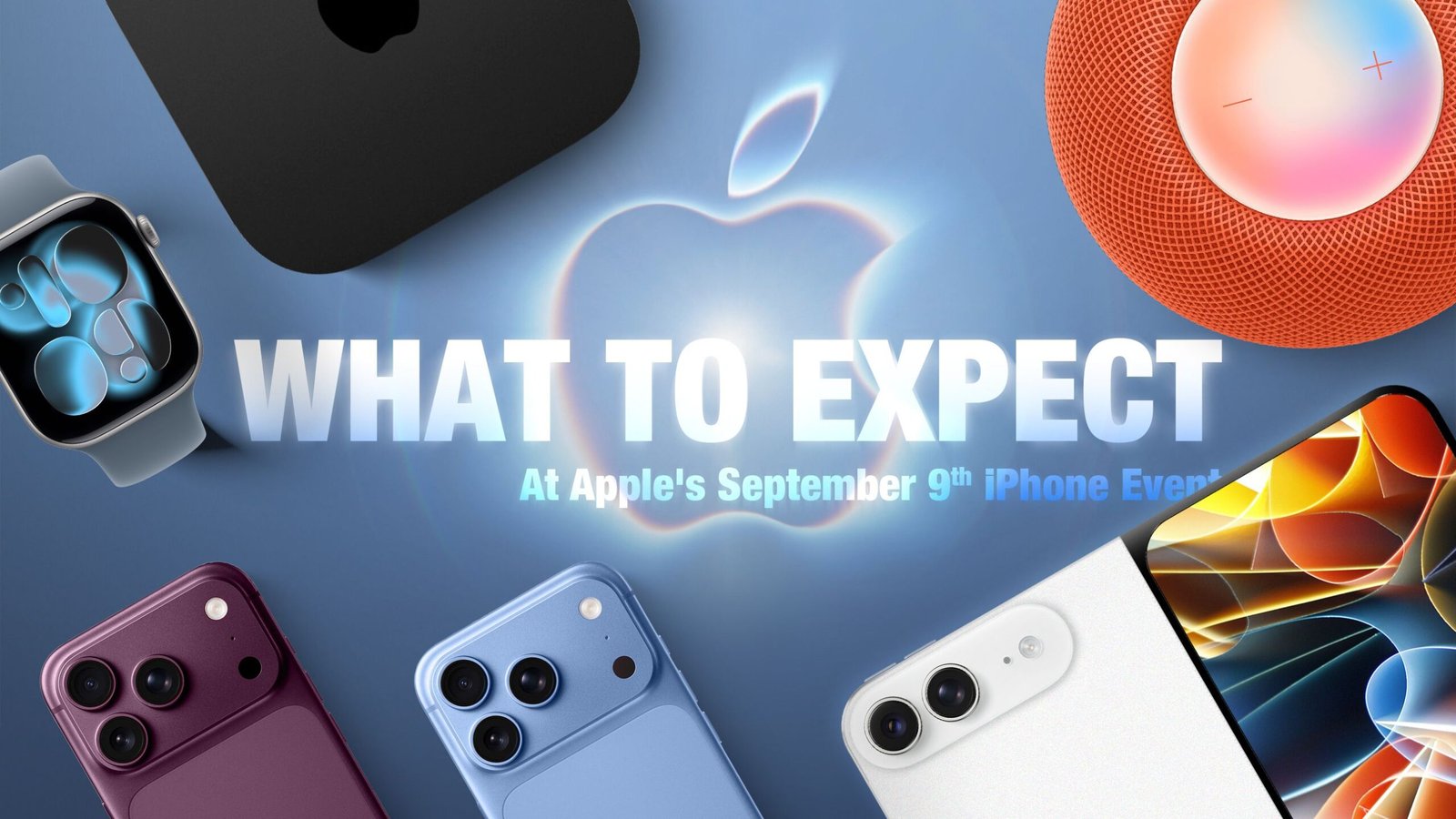
The release of the iPhone Ultra, slated for the September 9 “Surprise and Shine” event, serves as a test of consumer loyalty. At a price point doubling that of the standard flagship, the foldable device asks users to prioritize form factor and the novelty of a folding screen over the cutting-edge feature parity typically expected from the highest-tier smartphone releases. By launching the Ultra alongside the iPhone 18 Pro, Apple is clearly segmenting its audience: those who value the status and mechanics of a folding display versus those who require the functional breadth of a conventional, feature-dense smartphone.
Disclaimer: This content is auto-generated for informational purposes only.
Source: Read Original News