








In the bustling streets of Mumbai, the language of the road is shifting. As India grapples with the delicate balance between domestic migration and regional identity, the Maharashtra government has introduced a new mandate: public transport drivers must now possess a “working knowledge” of Marathi.
This move mirrors similar cultural anxieties seen across the country. In states like Karnataka, language activists have long campaigned against the perceived marginalisation of local tongues, fearing that an influx of migrants relying solely on Hindi or English threatens the linguistic heritage of the region. Now, Maharashtra is taking a pragmatic, albeit challenging, approach to ensure that Marathi remains the primary medium of communication in its transport sector.
Bridging the Linguistic Gap
Under the revised motor vehicle rules in Maharashtra, the requirement is not for mastery. Authorities do not expect drivers to read, write, or speak the language with academic fluency. Instead, the focus is on utility. To facilitate this, the state transport department has launched dedicated training programs, concentrating on the essential vocabulary drivers need to navigate their daily interactions—asking for destinations, discussing fares, and providing directions.
The initiative has already seen a significant uptake. According to official data, approximately 166,000 drivers have completed the training and successfully cleared an oral test.
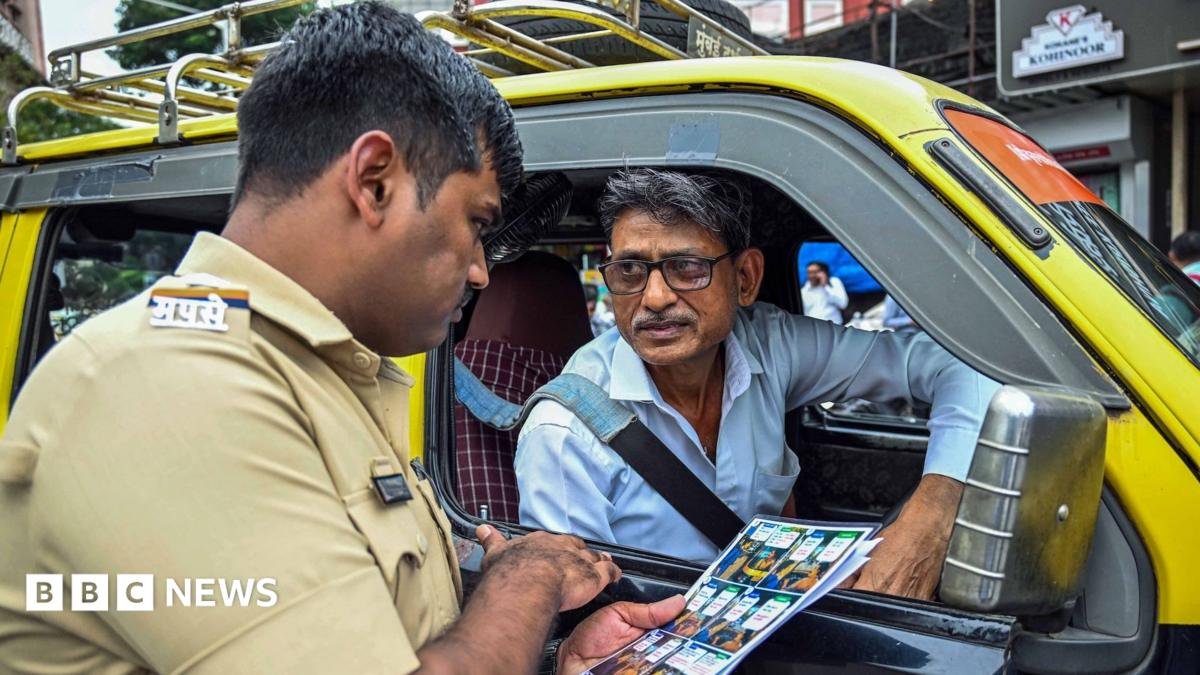
For 58-year-old tuk-tuk driver Munawar Sheikh, the transition was manageable. Over a four-day course at a training centre in Thane, near Mumbai, Sheikh and his peers mastered 16 critical phrases. “Where do you want to go?”, “Don’t worry,” and “The fare will be according to the meter” are now part of his repertoire. Having passed his oral exam, he now carries a certificate that shields him from potential scrutiny during transport inspections. For Sheikh, the course provided just enough Marathi to bridge the gap with his passengers, easing daily friction.
The Livelihood Dilemma
However, the policy is not without its critics, particularly regarding the economic strain it places on the working class. For many, the hurdle is not a lack of willingness to learn, but a lack of time.
Ajay Singh, a taxi driver in Mumbai, exemplifies the struggle of the gig economy worker. Singh earns between 1,500 and 2,000 rupees ($17-$23) per day, a modest sum that barely covers rent and his children’s school fees. For him, every hour behind the wheel is a choice between learning and survival.
“From the time we wake up until late at night, we have to drive. Otherwise, there is no food on the table,” Singh says. “Taking a few hours out of the day for a class is financially difficult for me.”
Unable to sacrifice his daily earnings for formal classes, Singh has turned to self-study, tuning his car radio to Marathi stations and practicing snippets of conversation with his passengers. His story highlights a broader tension: the state’s desire to preserve regional culture must contend with the realities of a migrant workforce that operates on razor-thin margins.
A Need for Flexibility
Despite these hardships, there is little opposition to the principle itself. Lakhan Pandey, another driver, echoes a common sentiment among those navigating these new requirements. He argues that he never objected to learning the language—he only wished for a more flexible timeline that wouldn’t jeopardize his income.
“We live here, we work here. Of course we should learn Marathi,” Pandey says. “Just give us the time to learn it without putting our livelihoods at risk.”
As Maharashtra continues its implementation of these rules, the success of the policy may depend on how the state balances its cultural goals with the economic realities of the thousands of drivers who keep the city moving. For now, the message from the streets is clear: the desire for integration exists, provided it comes with the space to earn a living.
Disclaimer: This India news content is auto-generated and paraphrased from original sources for informational purposes only.
Source: Read Original News