







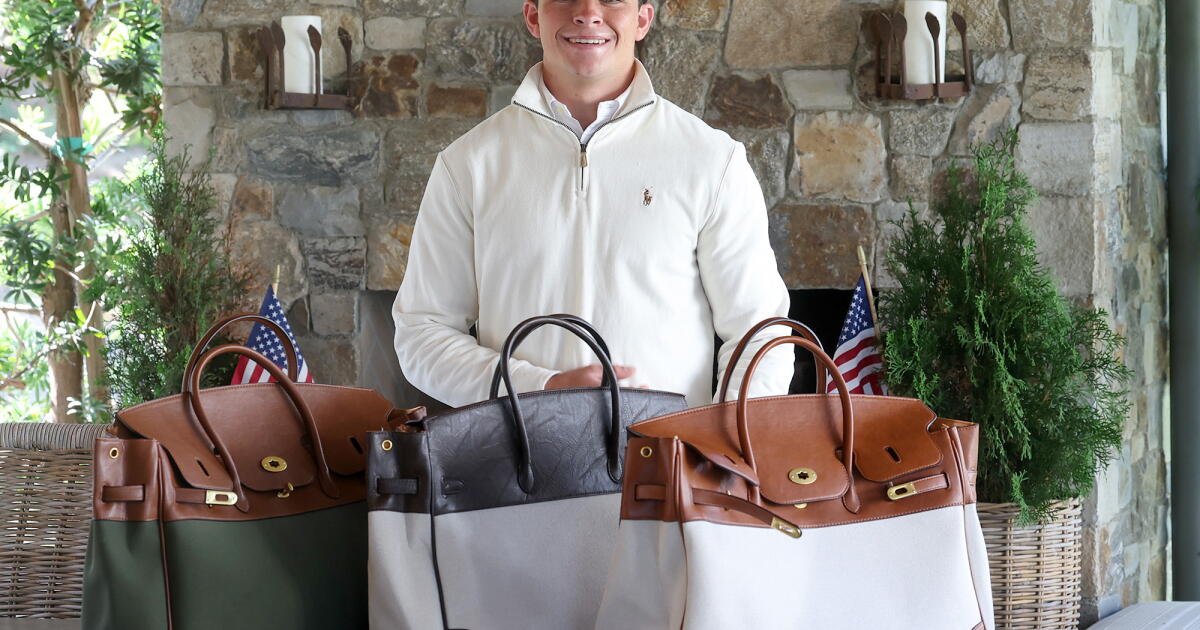
The traditional luxury handbag market is facing a digital-age disruption spearheaded by an unlikely source: a 21-year-old college senior. Brooks Orradre, a psychology and business student at Southern Methodist University, has successfully launched Velantra, a direct-to-consumer brand aimed at bridging the widening gap between high-end aesthetics and accessible pricing. By leveraging data-driven consumer insights and modern digital tools, Orradre has managed to carve out a profitable niche in an industry typically dominated by legacy fashion houses.
## The Intersection of Psychology and E-Commerce
Orradre’s business model is rooted in a psychological understanding of the modern consumer. Observing that shoppers were becoming increasingly disillusioned by the skyrocketing prices of luxury goods—which often failed to reflect an equivalent increase in craftsmanship—he saw an opportunity to provide “affordable luxury” at a sub-$200 price point.
To achieve this, Orradre relied on a lean, tech-forward business strategy. He utilized advanced AI tools, including ChatGPT, to assist in branding and operational decision-making, helping him rapidly iterate on product concepts. By analyzing social media trends—such as the viral popularity of specific tote silhouettes—he was able to identify consumer desires for timeless, logo-free designs that feel premium without the baggage of exorbitant retail markups.
## Scaling Through Social Sentiment
The meteoric rise of Velantra, which has moved over 30,000 units of its signature “Camille Boat Tote,” is a case study in how social media sentiment drives current retail success. Rather than relying on traditional marketing channels, Orradre tapped into the power of viral aesthetic trends. By offering products that align with the “quiet luxury” movement—where quality and silhouette take precedence over overt branding—he has successfully captured a demographic of students and professionals who value functional, versatile accessories.
The brand’s growth has been fueled by customers who treat these purchases as practical investments. Users, ranging from college athletes to business founders, report that the bags successfully bridge the gap between casual daily use and professional utility. This feedback loop is essential to the brand’s operation, as Orradre continues to refine his inventory based on what is trending in the digital sphere, ensuring that new releases like the seagrass-woven “Sofia” tote remain relevant to shifting seasonal demands.
## The Future of Digital-Native Retail
Orradre’s success extends beyond just one category; he currently manages multiple direct-to-consumer enterprises, including health supplement brands. His ability to navigate the complexities of global supply chains and digital marketing suggests a broader shift in how younger entrepreneurs view the retail landscape. By bypassing traditional middlemen and using agile, data-conscious manufacturing, brands like Velantra are putting immense pressure on legacy retailers to justify their pricing structures.
As Orradre approaches his final year at SMU, his focus remains on scaling Velantra’s product line and continuing to iterate based on the real-time data provided by his customers. The company’s trajectory highlights a significant trend: the modern consumer is no longer solely beholden to household brand names. Instead, they are increasingly drawn to agile, digitally native startups that provide transparency, value, and a modern sense of style. Whether Velantra can sustain this momentum remains to be seen, but for now, it stands as a testament to how effectively Gen Z entrepreneurs can use technology to dismantle traditional retail barriers and redefine what luxury means for the next generation.
Disclaimer: This content is auto-generated for informational purposes only.
Source: Read Original News