







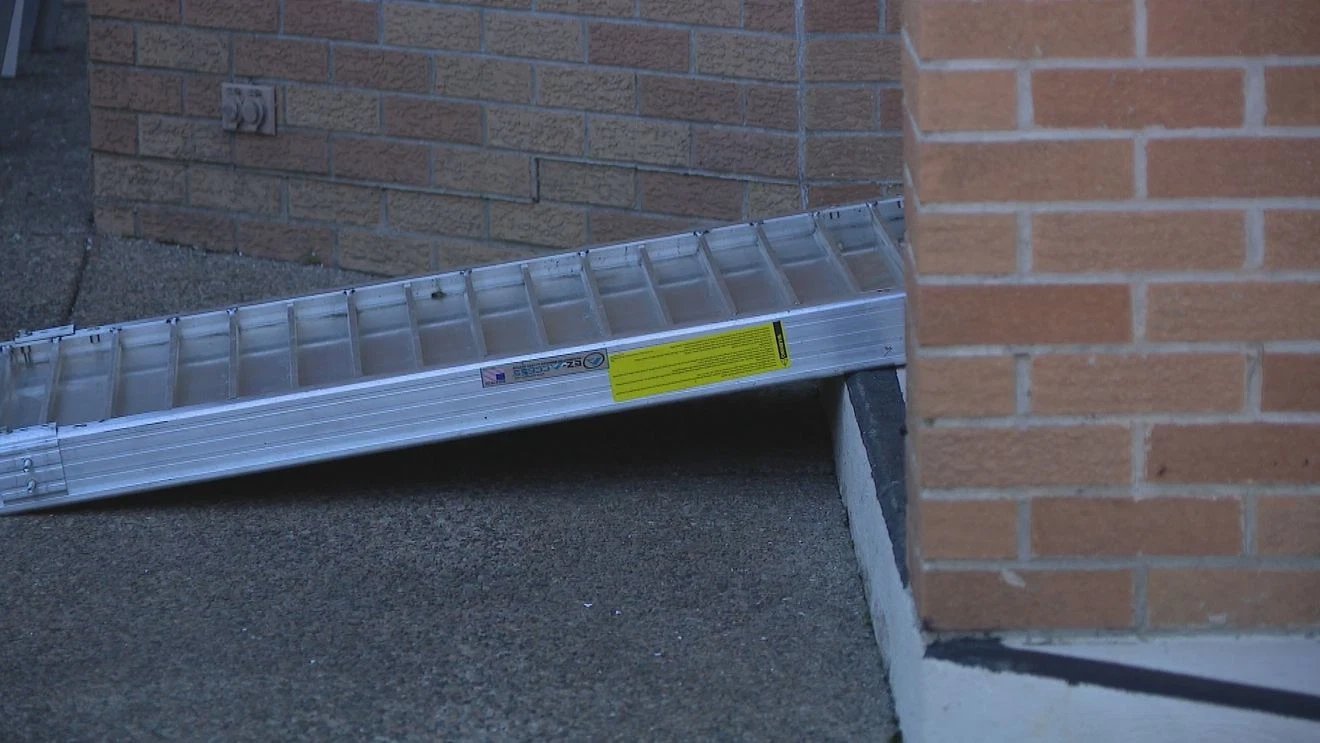
WOONSOCKET, R.I. — A wave of community support has restored accessibility to Our Saviour’s Parish PNCC following a brazen theft that left the congregation reeling last month. On Friday, the Woonsocket church finally saw its main entrance made accessible once again, thanks to a swift intervention by a local mobility solutions provider.
The ordeal began between the night of August 19 and the morning of August 20, when the church’s previous wheelchair ramp was stolen from the premises. Pastor Henryk Wos reported the incident, noting the significant impact the loss had on parishioners who relied on the structure for safe entry. For several weeks, the disappearance of the ramp created a logistical and emotional hurdle for the church community.
Local Business Steps In to Bridge the Gap
The situation caught the attention of Mobility Equipment Recyclers of New England, a North Kingstown-based business that specializes in refurbishing accessibility gear. Upon learning of the theft, the company reached out to the church to offer a replacement.
Andrew Celani, the general manager of Mobility Equipment Recyclers, expressed immediate empathy after hearing about the incident. “Very disheartening, to know that someone would do that,” Celani stated. “We saw the story, and it just made total sense for us to step in and help.”
The company, which operates on a mission to provide affordable accessibility equipment, successfully installed the new ramp in less than an hour on Friday. Their intervention turned a situation of local distress into a testament to community resilience.
The Intersection of Accessibility and Tech
While the incident in Woonsocket serves as a reminder of the physical barriers people with disabilities face, it also highlights the growing importance of the “circular economy” in medical equipment. Mobility Equipment Recyclers serves as a vital bridge, accepting donations of scooters, wheelchairs, and ramps. By refurbishing these items, they ensure that high-cost equipment remains accessible to those who might otherwise be priced out of the market.
In the broader tech landscape, companies are increasingly focusing on how digital tools can assist in managing such physical infrastructure. Google, for instance, has invested heavily in Google Maps’ “Accessible Places” feature. This tool leverages AI and user contributions to provide detailed information about wheelchair-accessible entrances and restrooms at businesses and community centers globally.
When organizations like Mobility Equipment Recyclers provide the hardware, digital mapping tools ensure that users can locate these facilities with confidence. The integration of AI-driven data collection—where machine learning models verify the presence of ramps based on street-level imagery and user reports—has become a standard expectation for modern urban planning and accessibility initiatives.
Future-Proofing Community Spaces
The replacement of the ramp at Our Saviour’s Parish also underscores the vulnerability of unmonitored infrastructure. As local businesses and churches look toward the future, many are turning to smart security technology to protect their assets.
The rise of affordable, cloud-connected security cameras integrated with Google Nest or similar smart-home systems has allowed small non-profits to monitor their properties remotely. These systems utilize AI-powered alerts to notify stakeholders of unusual activity in real-time. By combining the physical generosity of companies like Mobility Equipment Recyclers with modern monitoring tech, local landmarks are finding new ways to ensure that vital accessibility assets remain safe and available for those who need them most.
As the Woonsocket community moves past this incident, the quick restoration of the church ramp stands as a positive example of how private enterprise and community spirit can overcome setbacks, ensuring that houses of worship remain open and welcoming to everyone.
Disclaimer: This content is auto-generated for informational purposes only.
Source: Read Original News