








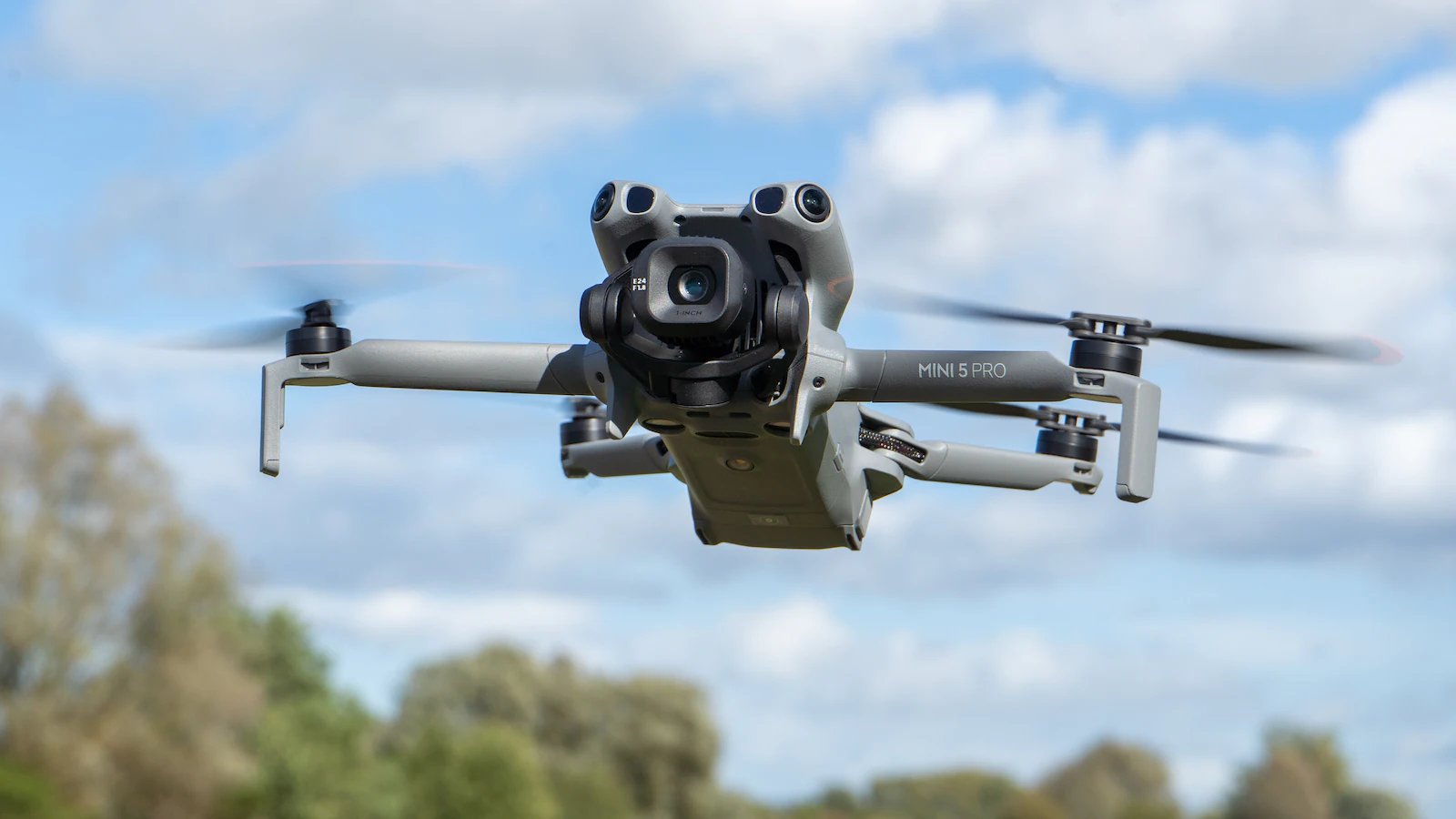
The rapid proliferation of drones across India has transformed everything from wedding photography to agricultural logistics, but this newfound aerial convenience is colliding head-on with a complex regulatory landscape. With nearly 40,000 registered drones and a robust network of training centers operating as of early 2026, the sky has become a busy, albeit often misunderstood, workspace. For the casual enthusiast or the budding content creator, the transition from hobbyist to rule-breaker can happen in a matter of seconds, often due to a simple lack of awareness regarding India’s precise digital airspace management.
Navigating the Three-Tier Airspace System
India’s airspace is strictly categorized, and operating a drone requires more than just a purchase receipt; it requires a deep understanding of the Digital Sky platform. The country utilizes a color-coded zoning system that dictates where flight is permissible:
- Green Zones: These areas—primarily rural landscapes and open fields—allow for flight up to 400 feet without the need for active permissions, provided the pilot adheres to registration mandates.
- Yellow Zones: Comprising critical infrastructure, major city centers, and airport corridors, these zones require real-time digital authorization. Even for low-risk maneuvers, pilots must secure clearance through the government’s centralized portal.
- Red Zones: Strictly off-limits to civilian traffic, these include international borders, military installations, and high-security government complexes.
Crucially, these boundaries are fluid. Temporary restrictions frequently arise around VVIP movements, national holidays, or major sporting events. Relying on outdated maps is a common pitfall; pilots are required to check the live Digital Sky map before every individual takeoff to ensure they aren’t inadvertently encroaching on a restricted area.
The Technological Challenge of Monitoring
As the popularity of unmanned aerial systems (UAS) grows, the burden of security falls on advanced monitoring technology. Modern counter-drone solutions, such as those being developed by domestic firms like Armory, are moving beyond simplistic jammers. Because unauthorized entry into restricted airspace isn’t always a malicious act—it can often be a well-intentioned, albeit reckless, hobbyist—authorities prioritize identification over immediate neutralization.
The industry is increasingly leveraging Artificial Intelligence and machine learning to distinguish between harmless, stray recreational drones and intentional security threats. By analyzing flight telemetry and radio frequency patterns, these systems help human operators make informed decisions. This transition toward AI-driven behavioral analysis is critical, as simply shooting down a drone in a crowded urban environment can pose a greater risk to the public than the device itself. India’s strategic pivot toward indigenous counter-UAS technology signals a broader effort to secure the national skyline using high-tech, locally sourced intelligence.
Compliance and the Cost of Ignorance
For the average operator, the consequences of miscalculating a flight path are severe. Ignorance of the law is not considered a valid defense, and penalties for violating airspace regulations range from heavy fines and permanent drone confiscation to potential criminal prosecution.
For those looking to enter the hobby or professional market, the hardware ecosystem is vast. While entry-level camera drones like the DJI Mini 2 SE remain accessible for under Rs 50,000, professional-grade rigs that offer the stability and sensor-rich environments required for commercial work, such as the DJI Air 3, can reach upwards of Rs 1,35,000. However, the true cost of drone ownership involves more than just the retail price of the aircraft.
Aspiring pilots must budget for Remote Pilot Certification, mandatory insurance, and time spent navigating the Digital Sky platform. As drone technology continues to integrate into daily commerce, the message to the public remains clear: the sky is not a free-for-all. Whether capturing a cinematic wedding shot or surveying farmland, success in the modern drone era depends on treating flight as a professional responsibility, not just a weekend hobby.
Disclaimer: This content is auto-generated for informational purposes only.
Source: Read Original News