









The Return to Independence and the Road Ahead
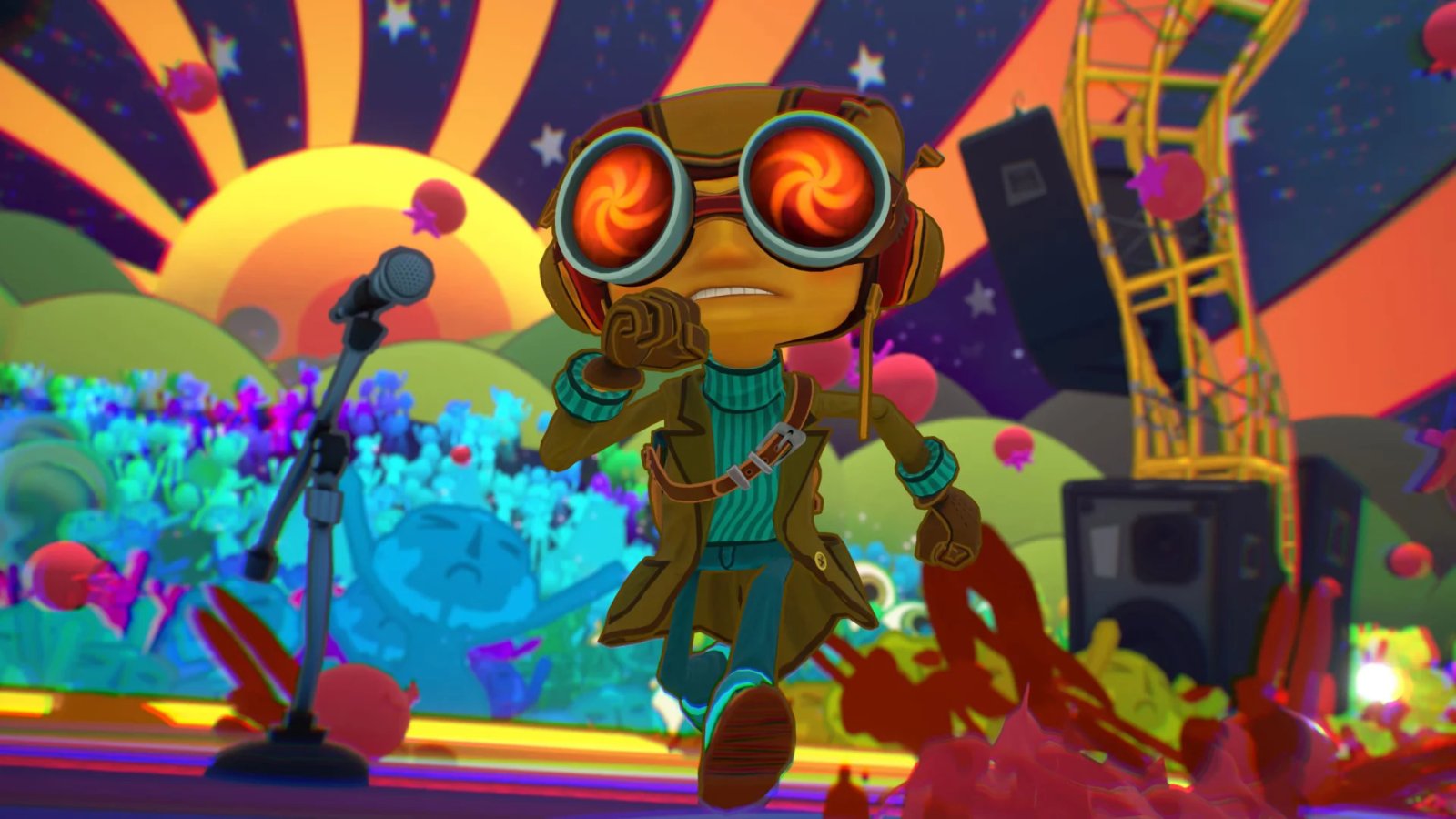
Double Fine, the acclaimed development studio behind titles such as Psychonauts 2, has navigated a turbulent transition period, emerging once again as an independent entity. Following a restructuring phase within Microsoft’s gaming division, the studio found itself at a crossroads earlier this summer. Rather than facing closure, founder Tim Schafer chose to steer the organization back toward its roots, reclaiming its independence and initiating a fresh phase of operations. This transition follows a period of mixed commercial performance, including the release of the niche success Keeper and the more experimental pottery-themed title Kiln.
The move away from the corporate umbrella of Xbox serves as a catalyst for a new chapter. While the studio was forced to reduce its workforce by 23 employees during the separation, the leadership views this period as a necessary reset. By operating independently, Double Fine is no longer beholden to the shifting mandates of a larger parent corporation. Instead, the team is focusing on smaller, more rapid development cycles and a return to the agile practices that defined the studio during its early years. This pivot is designed to maximize creative output while maintaining a leaner, more sustainable structure capable of weathering the volatility inherent in the current software market.
Navigating the Shift in Corporate Strategy
The departure from Microsoft was precipitated by a significant change in internal leadership at Xbox. When Asha Sharma took the helm as the new CEO, the strategic trajectory for the platform underwent a transformation. According to internal reports, the alignment between Double Fine’s mission to supply high-quality content for subscription services and the new management’s broader objectives began to diverge. Under the previous regime, the studio was well-positioned within the Game Pass ecosystem; however, the new financial and operational criteria established by the updated leadership made continued integration difficult.
Schafer noted that the uncertainty during the transition was significant. Communication channels between the studio and its parent company became strained, creating a period of ambiguity regarding the future of the partnership. By choosing to exit rather than wait for potential further divestment, the studio opted to control its own destiny. This move highlights a broader trend in the gaming industry where boutique studios are reconsidering the long-term viability of integration into massive conglomerates. For Double Fine, independence represents a trade-off: it replaces the financial stability of a major corporation with the autonomy required to pursue riskier, perhaps more innovative, design concepts.
Creative Urgency and the Kickstarter Model
One of the most notable aspects of Double Fine’s revival is its immediate return to the crowdfunding model. The studio has launched a 400,000-dollar Kickstarter campaign aimed at funding its next game jam. This method serves two purposes: it provides the necessary capital to begin development on experimental projects and re-establishes a direct connection with the consumer base. In the current economic climate, crowdfunding acts as a financial bridge, allowing the studio to test market interest before committing to full-scale production.
This emphasis on game jams is not merely a fundraising tactic; it is a core philosophy of the studio’s design process. Game jams encourage rapid prototyping and the exploration of unconventional mechanics, which the team views as vital for identifying the next breakout success. By involving the community in this early stage, Double Fine aims to foster transparency and secure a dedicated audience. This approach reflects a broader industry movement toward “community-led development,” where the audience participates in the project lifecycle from inception, ensuring that the final output aligns with player expectations and demands.
Technical Realignment and Operational Efficiency
For a studio known for its stylized art direction and narrative-heavy gameplay, the challenge lies in scaling these assets to meet current industry production standards without the massive budget of a global publisher. The current roadmap involves a tighter focus on operational efficiency. By reducing administrative overhead, the team intends to dedicate more resources to the core development team. This strategy acknowledges that, in the modern landscape, bloated project budgets often lead to increased pressure to produce mass-market hits, which can inadvertently stifle creativity.
The technical team is currently assessing the toolsets utilized for their upcoming projects to ensure that they are optimized for rapid iteration. After the mixed reception of recent titles, the focus is on refining core gameplay loops. By leveraging the expertise gained from previous projects, the developers are focusing on systems that offer high replayability and distinct mechanics. The objective is to build games that stand out in a saturated market through unique artistic expression rather than through sheer technological scale or high-fidelity realism.
Future Outlook and Market Stability
The path forward for Double Fine is marked by cautious optimism. While the studio operates in a landscape that is often unforgiving to independent developers, the leadership believes that the “creative awakening” currently taking place within the team will yield strong results. The challenge will be to balance the financial realities of an independent studio with the creative ambition that made titles like Psychonauts 2 successful.
The studio’s ability to survive this transition is a testament to the resilience of smaller, focused development teams. As the industry continues to evolve, Double Fine’s move toward independence provides a case study in managing organizational shifts during periods of economic correction. By prioritizing creative control and direct funding, the studio is betting on its ability to capture the interest of its audience without the need for traditional publisher intervention. Whether this strategy will lead to long-term profitability remains to be seen, but the immediate focus remains on delivering high-quality, singular experiences that reflect the studio’s unique identity.
Disclaimer: This content is auto-generated for informational purposes only.
Source: Read Original News