








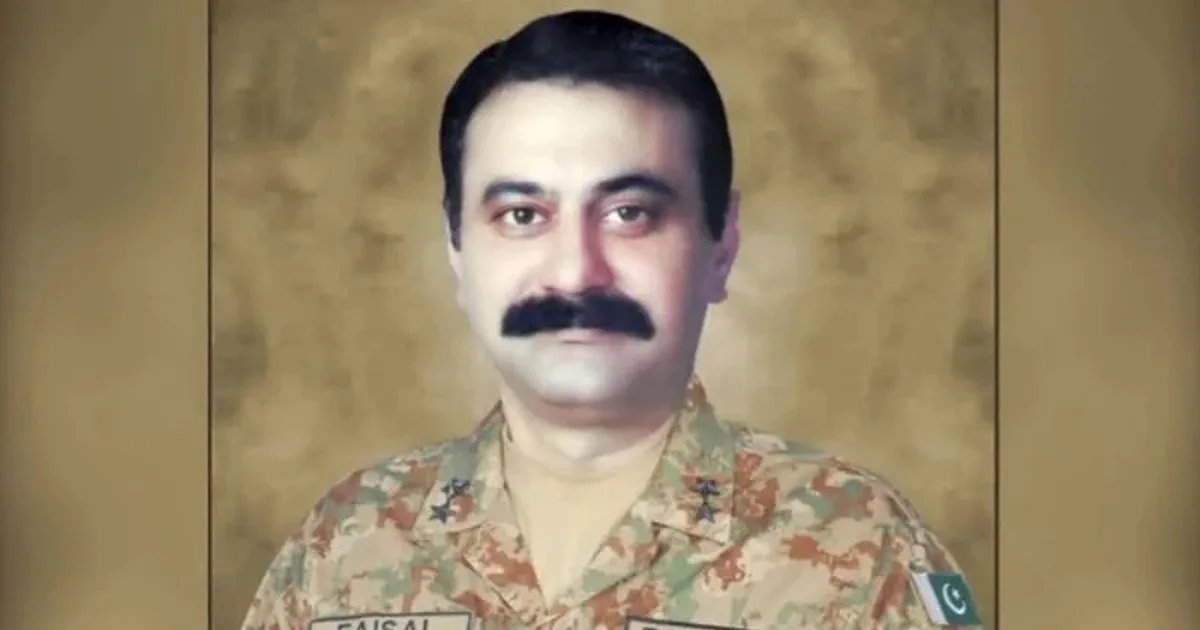
‘Dirty Harry’ Takes Charge: Major General Faisal Naseer’s New Posting Sparks Speculation
In a development that has sent ripples through Pakistan’s power corridors, Major General Faisal Naseer—the controversial former head of the Inter-Services Intelligence’s (ISI) internal wing—has been appointed as the national coordinator for the National Counter-Terrorism Authority (NACTA). Often referred to by the moniker ‘Dirty Harry,’ a nickname popularized by former Prime Minister Imran Khan, Naseer’s move to this civilian-facing body marks a tactical pivot in his career.
From ISI Powerhouse to NACTA
Naseer, a key figure from the 85th Pakistan Military Academy (PMA) long course, had served as the Director General (Counter-Intelligence) since 2022. During his tenure, he became a central figure in the turbulent political climate that followed the rise of Army Chief General Asim Munir. Naseer’s reputation as the military’s primary enforcer was cemented during his handling of the crackdown on the Pakistan Tehreek-e-Insaf (PTI), where he oversaw the detention of high-profile loyalists.
While reports suggest Naseer had been lobbying hard for a promotion to a three-star rank, the rigid structure of military seniority posed a significant barrier. With several senior officers awaiting their turn and no historical precedent for a Corps of Military Intelligence officer ascending to a lieutenant general rank, General Munir opted for a lateral move. By placing his most trusted ally at the helm of NACTA for a three-year term, Munir ensures that Naseer remains a powerful instrument of state security, even while moving him away from the direct glare of the ISI.
The Institutional Crisis at NACTA
The appointment places Naseer in charge of an organization that has struggled to find its footing since its inception in 2008. While NACTA was designed to act as the primary civilian coordinator for counter-terrorism policies and intelligence fusion, it has frequently suffered from bureaucratic inertia, inconsistent leadership, and a lack of enforcement power.
The authority has been plagued by a reliance on deputed officers and frequent turnover at the top. Records show a concerning lack of high-level engagement, with critical decision-making meetings being held sporadically. Despite its ambitious mandate to combat extremism and manage intelligence fusion, NACTA has often been sidelined by the more dominant intelligence agencies, leaving it as a symbolic body rather than an operational leader.
A Daunting Security Landscape
Naseer’s new assignment comes at a precarious time for Pakistan. The nation is currently grappling with a surge in violence across the provinces of Balochistan and Khyber Pakhtunkhwa. These regions are under immense pressure from a dual-pronged threat: the resurgence of ethno-nationalist militancy and the persistent challenge of radicalized insurgencies.
Whether Naseer’s reputation as an uncompromising “go-getter” will translate into effectiveness within the administrative constraints of NACTA remains to be seen. His success will depend on his ability to navigate the complex inter-agency rivalries that have historically paralyzed the organization. While his loyalty to General Munir is unquestioned, the transition from the clandestine operations of the ISI to the public-facing and collaborative nature of NACTA represents a formidable challenge for a man whose career has thus far been defined by controversy and raw power.
Disclaimer: This content is auto-generated and paraphrased.
Source: Read Original News