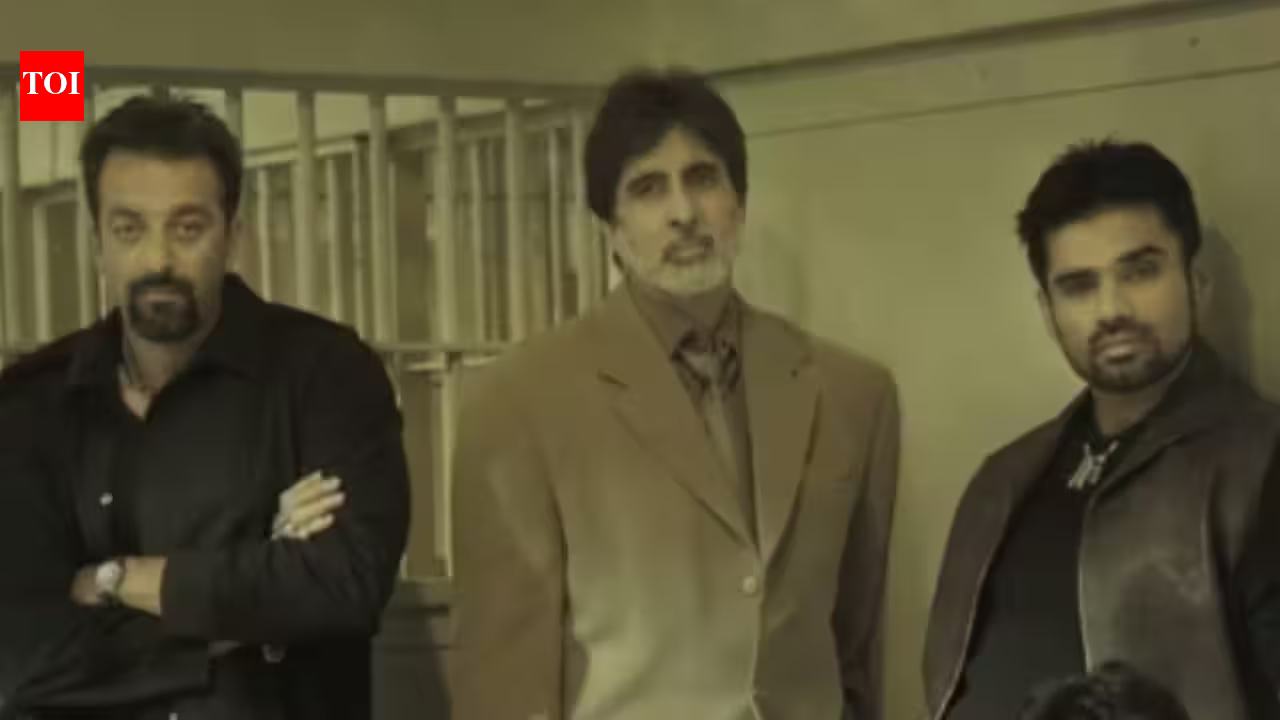









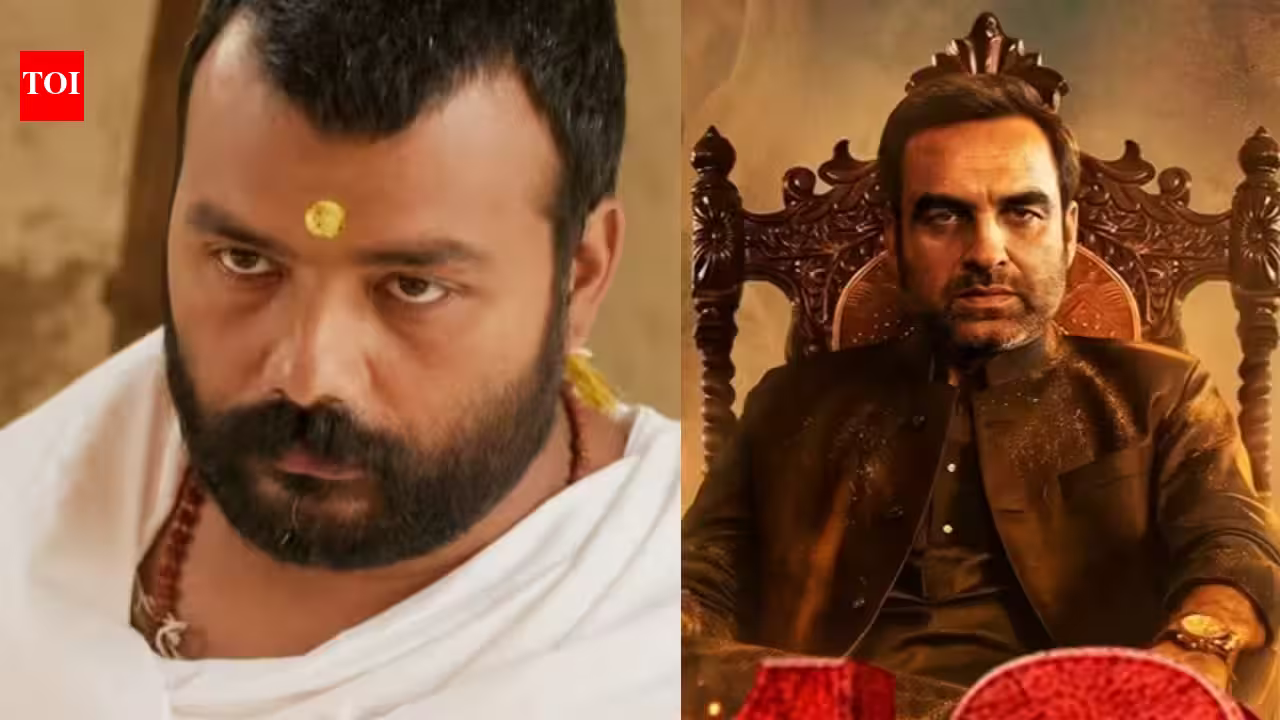
The Indian box office has long been a realm of predictable patterns, dominated by star-power calculations and the massive marketing muscle of big-budget spectacles. Yet, as the industry navigates a volatile post-pandemic landscape, a seismic shift is underway. Two films currently dominating the conversation—the cinematic adaptation of the cult-favorite series Mirzapur and the unlikely, micro-budget juggernaut Hanuman Ansh—have become more than just successful projects. They are case studies in a changing cultural zeitgeist.
Filmmaker Anubhav Sinha, a director whose own evolution from commercial entertainer to chronicler of societal friction (Thappad, Mulk) makes him an astute observer of the industry, recently cut through the noise of trade jargon. Taking to X, Sinha challenged the industry to look beyond the surface, stating, “The box office is telling us all a story if we watch carefully. Mirzapur and Hanuman Ansh are not freak hits. It is easy to draw simplistic conclusions and dangerous too.”
The Death of the “Freak Hit” Narrative
For years, when a low-budget film defied the odds, the industry labeled it a “fluke” or a “freak hit”—an anomaly caused by sheer luck or a lack of competition. Sinha’s intervention suggests that this dismissive attitude is precisely what keeps the establishment out of touch with the audience.
Hanuman Ansh is the antithesis of the modern blockbuster. Produced on a shoestring budget of roughly Rs 2 crore, it crawled into theatres with a negligible opening day of Rs 10 lakh. To the casual observer, it was dead on arrival. Yet, thirty days later, the film is staring down a Rs 100 crore total. This isn’t luck; it is a testament to the power of grassroots word-of-mouth in an age of hyper-connectivity. By the time the film reached its fourth weekend, it was pulling in Rs 28 crore, effectively outperforming big-ticket releases that had the benefit of massive, multi-language marketing campaigns. When a film with zero initial buzz beats a multi-lingual, 1,500-screen release like Toxic on its 26th day, we are witnessing a fundamental change in how audiences assign value to cinema.
The Streaming-to-Cinema Pipeline
While Hanuman Ansh proves the power of the underdog, Mirzapur The Movie confirms the strength of the “IP-first” model. Bringing a web series to the big screen has been tried before with varying degrees of success, but Mirzapur has achieved something rare: a seamless transition that honors its origins while delivering a theatrical scale.
With an opening day of Rs 24.75 crore, the film has firmly cemented itself among the strongest non-star-led openings in recent history. It highlights a pivot in how we define “star power.” In the Mirzapur ecosystem, the characters—Guddu Pandit, Kaleen Bhaiya, and Munna—are the stars. The collective weight of Pankaj Tripathi, Ali Fazal, Divyenndu, and the addition of Jitendra Kumar as Bablu Pandit creates an ensemble appeal that transcends the traditional “Hero-centric” model. For the audience, the draw isn’t the individual actor’s brand, but the immersion in a world they have spent hours living in via their streaming devices.
Why Anubhav Sinha is Right to be Concerned
When Sinha warns that “simplistic conclusions” are dangerous, he is speaking to the studio executives who might look at these results and try to replicate them through imitation. If the industry interprets Hanuman Ansh as a “mythological miracle” and greenlights dozens of similar projects, or views Mirzapur merely as a “sequel-factory” template, they will miss the point.
The story the box office is telling isn’t about genre or budget; it’s about authenticity and engagement. Hanuman Ansh succeeded because it tapped into a regional or thematic hunger that the big studios ignored. Mirzapur succeeded because it leaned into the deep emotional investment audiences have already made in its narrative. Both films provided something that the recent wave of “over-produced” spectacle cinema has struggled to offer: a clear, distinct identity.
The Challenged Monopoly of Big-Budget Spectacle
The recent performance of Toxic serves as a stark reminder of the limitations of the “big release” model. Despite having five-language support, a massive screen count, and likely a promotional budget that dwarfs the entirety of Hanuman Ansh’s production costs, it struggled to maintain momentum when pitted against a film that had already proven its longevity.
We are moving away from an era where the first Friday determines the life of a film. Today, a film’s lifespan is determined by its endurance—its ability to hold the screen and the audience’s attention across weeks, not just days. The “front-loaded” weekend model, which relies on heavy PR and artificial hype, is beginning to crack under the weight of an audience that is increasingly wary of the “empty blockbuster.”
A Call for Narrative Responsibility
As we look at the trajectory of the remainder of the year, the success of these two films serves as a warning shot to the status quo. The Indian audience is clearly signalling that they are not just looking for the next loud, shiny distraction. They are looking for stories that resonate with their lived experiences or offer a level of narrative depth that justifies the price of a ticket.
Anubhav Sinha’s critique is an invitation for the industry to stop treating the audience like a monolith. If a filmmaker can find the pulse of the nation—whether through the grit of a small-town crime drama or the surprising endurance of a sleeper hit—the box office will respond. The “story” Sinha refers to is simple: audiences are reclaiming their power to decide what succeeds. For the studios, the only way to survive is to stop chasing trends and start chasing the truth of the stories they tell.
Disclaimer: This content is auto-generated.
Source: Read Original News