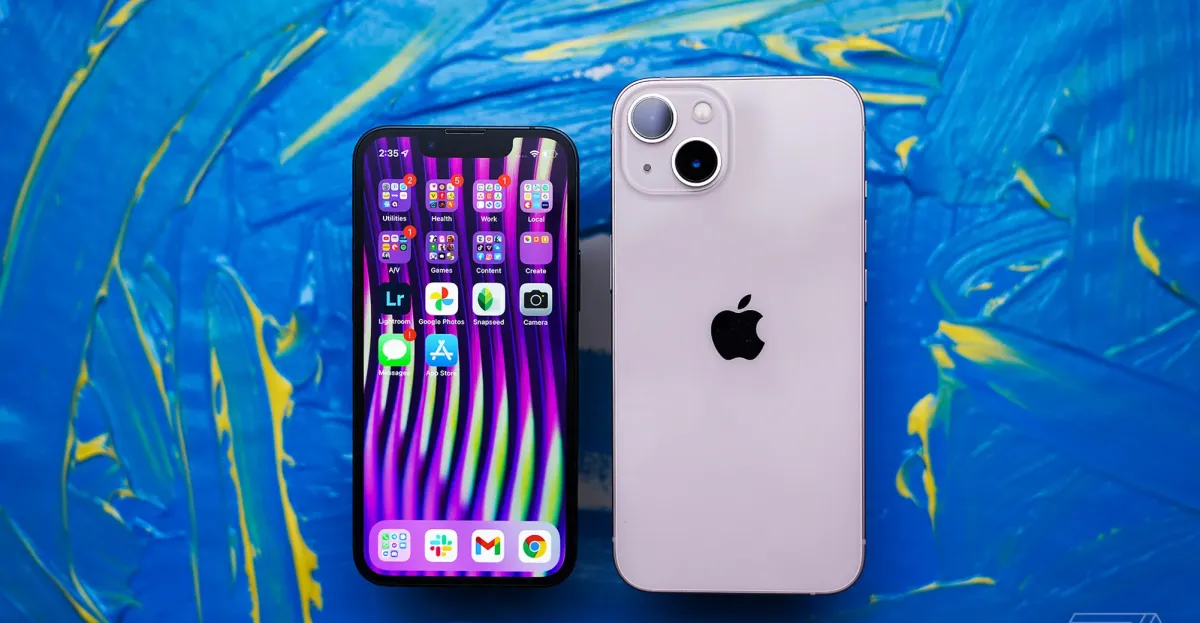








Since its introduction in 2014 by the USB Implementers Forum, the USB-C connector has transformed from a high-end novelty into the definitive global standard for hardware connectivity. By providing a reversible plug and higher power throughput, it has effectively phased out legacy standards like USB Mini-B and the cumbersome variety of proprietary charging bricks that previously dominated the electronics landscape. Today, the versatility of the USB-C interface extends far beyond simple smartphone charging, acting as the primary lifeline for a vast ecosystem of productivity tools and utility gadgets.
The Rise of Versatile USB-C Power
The impact of USB-C on daily hardware is best exemplified by the move toward universal charging. Portable tools that once required specialized power bricks now function seamlessly with the same cable used for a laptop or smartphone. Electric screwdrivers, for instance, have shifted away from proprietary barrel jacks toward USB-C. Kits like the Hoto 25-piece set allow users to maintain a tool with a standard connection, enabling rapid recharging in under 150 minutes. This shift minimizes cable clutter and ensures that home repair tools remain ready for use without the frustration of hunting for obsolete power adapters.
Visual and Data Expansion
Beyond charging, USB-C serves as a high-bandwidth pipeline for digital data and video signals. Through protocols that support DisplayPort Alt Mode and USB Power Delivery, a single port can now drive an external monitor while simultaneously drawing power to keep a computer charged. This has given rise to a market of specialized adapters—such as USB-C to HDMI, DisplayPort, or even legacy VGA and DVI converters—allowing modern, thin-and-light laptops to connect to virtually any display hardware. These adapters have effectively bridged the gap between modern, port-limited machines and the wide array of display peripherals found in office and home environments.
Advanced Connectivity and Storage
The limited port count on modern laptops has necessitated the proliferation of USB-C hubs and docking stations. These devices capitalize on the high data throughput of the USB-C specification to expand a single input into a comprehensive command center. Entry-level 4-in-1 hubs provide additional USB-A data ports for legacy peripherals, while full-featured docking stations—such as 13-in-1 units—integrate Ethernet ports, SD card readers, and audio jacks. Furthermore, the flash drive has seen a resurgence through USB-C. Modern drives, such as the SanDisk Extreme Pro, utilize these high-speed connections to deliver read and write speeds reaching 1,000 MB/s, providing a physical, high-speed backup solution that often outperforms cloud-based synchronization for massive file transfers.
Enhancing the Workspace with USB-C Gadgets
The ubiquity of USB-C has also fostered a new class of desktop utilities that improve ergonomics and comfort. Monitor light bars, for example, mount atop displays to illuminate desk surfaces without creating glare or occupying desk real estate. Models featuring adjustable color temperatures and auto-dimming sensors are powered directly by a monitor’s USB-C port, turning a display into a power source for the entire workstation. Similarly, portable electric air dusters have replaced expensive, wasteful cans of compressed air. These rechargeable units deliver consistent, high-pressure air to clear dust from mechanical keyboards, camera lenses, and cooling fans, drawing their power from the same standard cable as one’s other computing devices.
Specialized Audio and Utility Solutions
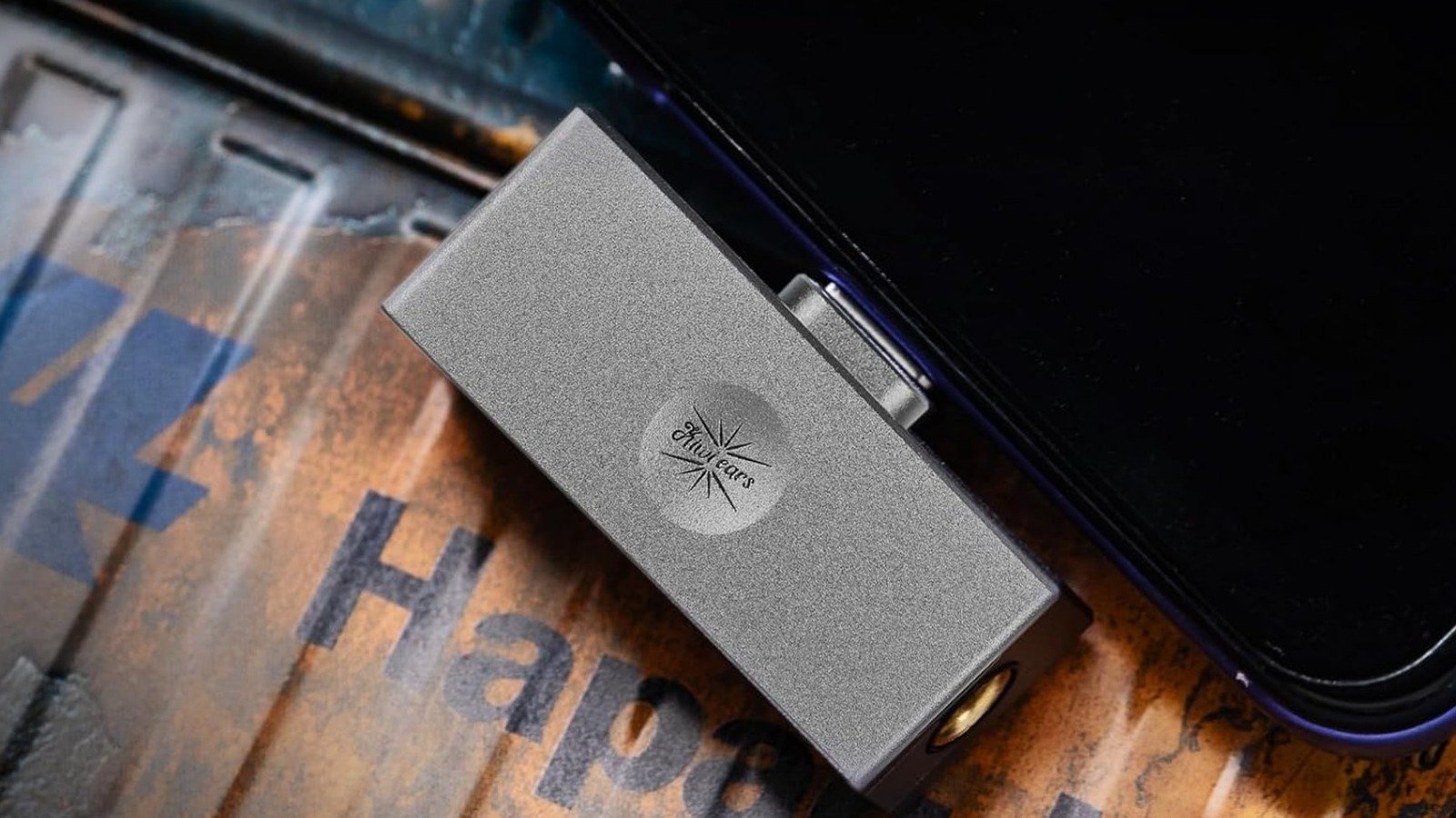
The decline of the 3.5mm headphone jack in modern mobile devices has spurred a market for high-fidelity Digital-to-Analog Converters (DACs). Portable “dongle” DACs, such as the FiiO KA11 or various Kiwi Ears models, connect via USB-C to provide high-resolution audio processing for wired earphones. This allows users to retain high-quality analog sound without needing a dedicated, bulky amplifier. Simultaneously, the USB-C standard has reached even the most basic power requirements, with rechargeable AA batteries now featuring built-in USB-C ports. These batteries allow users to bypass external chargers entirely, simplifying the maintenance of high-drain devices like wireless game controllers or bike lights.
Methodology and Utility Standards
The success of these USB-C-powered devices relies on the core promise of convenience and performance. When selecting hardware within this category, the focus remains on devices that exhibit high reliability and clear utility for common scenarios, such as lighting, power management, or data expansion. The current landscape of these products is vetted through a high threshold of user satisfaction, generally prioritizing gadgets with strong positive feedback and significant volume of user ratings. By standardizing the physical connection, manufacturers have enabled a more streamlined, interoperable approach to technology, ensuring that a single cable can support an increasingly complex and productive daily routine.
Disclaimer: This content is auto-generated for informational purposes only.
Source: Read Original News