









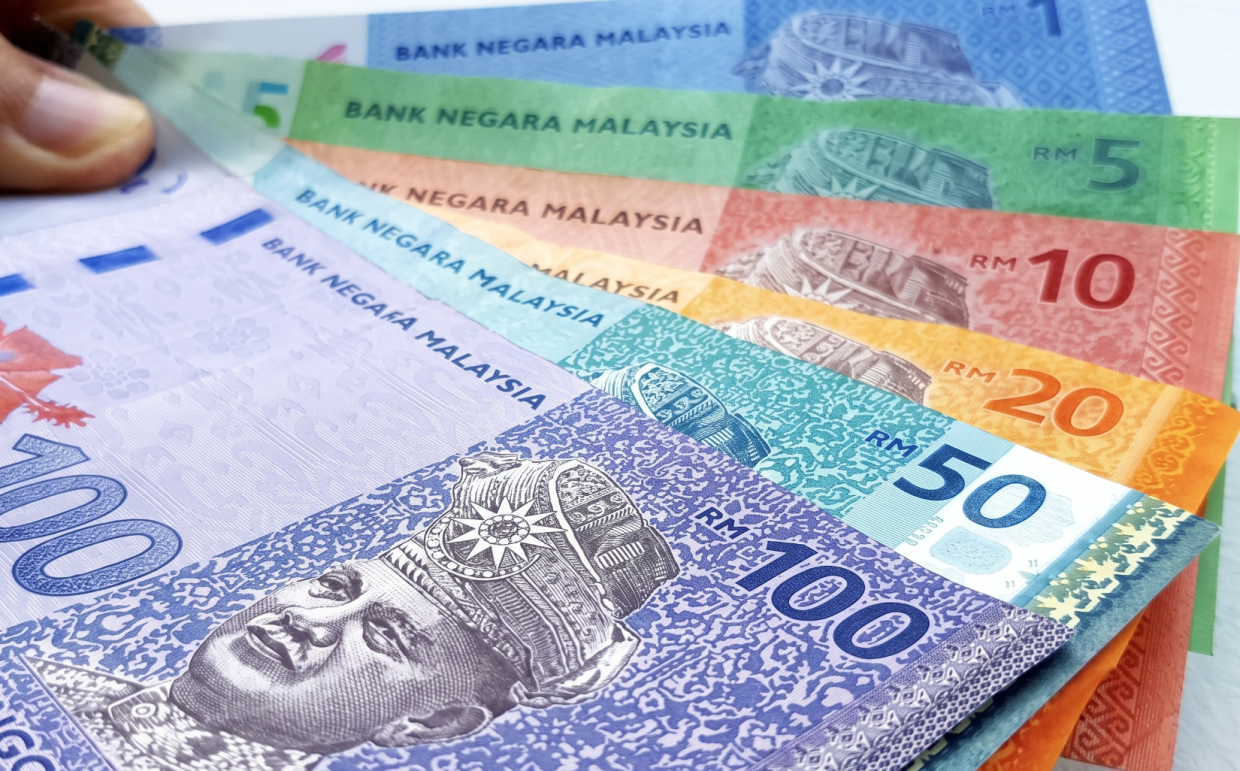
KUALA LUMPUR: The ringgit opened the trading week with a slight uptick against the US dollar on Monday, hovering at 4.0415/0500 compared to the previous week’s close of 4.0425/0465. While currency markets are currently preoccupied with shifts in US monetary policy, the broader narrative for the Malaysian economy is increasingly being defined by its growing integration into the global technology and artificial intelligence (AI) infrastructure.
## Shifting Macroeconomic Winds and the Fed
The recent fluctuation in the ringgit is largely tethered to the latest US non-farm payrolls (NFP) report, which surpassed expectations with 162,000 new jobs added in August. Economists suggest this robust labor data increases the likelihood of a Federal Reserve interest rate hike during the upcoming September FOMC meeting.
Bank Muamalat Malaysia Bhd chief economist Dr. Mohd Afzanizam Abdul Rashid noted that while the ringgit is expected to trade within a volatile range of 4.04 to 4.06 this week, market participants are bracing for the upcoming US consumer price index (CPI) release. This data point is considered critical for global investors as they gauge whether the Fed will pursue a 25-basis-point increase to the current 3.50–3.75 percent federal funds rate.
## Malaysia’s Strategic Role in the AI Supply Chain
Beyond the immediate impact of interest rate speculation, analysts point to a structural shift in Malaysia’s economic appeal. Stephen Innes, a global strategist at Quintex Intel, emphasized that the ringgit is benefiting from a “medium-term support channel” driven by Malaysia’s deepening involvement in the regional artificial intelligence ecosystem.
As global tech giants and manufacturers look to diversify their supply chains, Malaysia has successfully positioned itself as a key hub for semiconductor assembly, testing, and advanced packaging. This is not merely a manufacturing play; the country is also expanding its footprint in critical digital infrastructure. As global capital continues to rotate toward the “Asian AI investment theme,” Malaysia stands to benefit from long-term capital inflows that provide a structural buffer against external currency pressures. This technological pivot is helping to decouple the ringgit’s performance from pure commodity dependence, adding a layer of resilience to the nation’s economic outlook.
## Cross-Currency Performance and Market Outlook
The ringgit’s performance has been mixed across the board as it navigates these complex global dynamics. On Monday, the currency showed strength against the British pound and the euro, signaling a recovery against major European benchmarks. However, it experienced some slippage against the Japanese yen and regional counterparts like the Singapore dollar and the Thai baht.
Despite these minor dips against neighbors, the underlying optimism regarding Malaysia’s tech sector remains a focal point for institutional investors. By moving beyond its traditional role as a net energy exporter—bolstered by consistent liquefied natural gas surpluses—Malaysia is leaning into the demands of the modern digital economy.
Looking forward, analysts expect the ringgit to maintain a modestly positive bias. While short-term trading will undoubtedly remain “choppy” as the market reacts to every fluctuation in US inflation data and Federal Reserve rhetoric, the long-term trend appears to be tied to the country’s success in capturing the AI-driven tech manufacturing wave. For traders and investors alike, the dual story of high-level central bank policy and the granular, technical growth of the local semiconductor industry will remain the primary drivers of the Malaysian market through the end of the quarter.
Disclaimer: This content is auto-generated for informational purposes only.
Source: Read Original News