









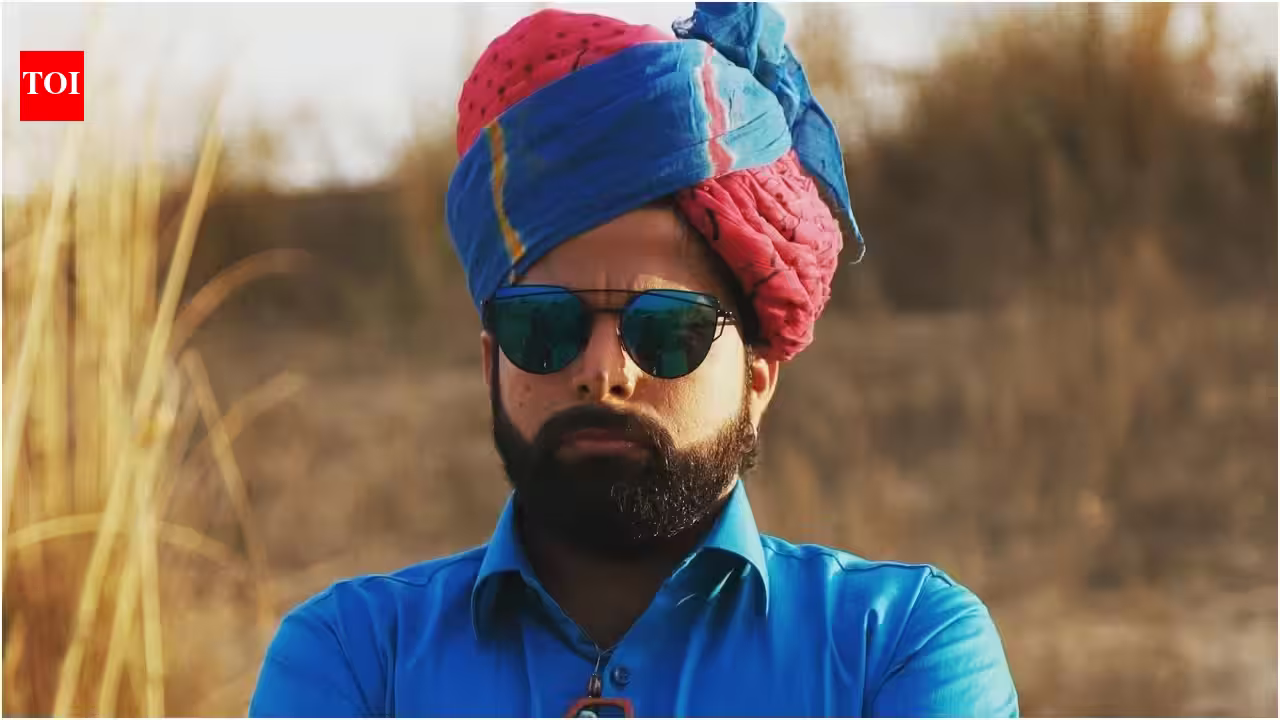
The world of Mirzapur has always been defined by its grit, its moral ambiguity, and a relentless thirst for power. But as the long-awaited Mirzapur: The Movie hits theaters and begins its victory lap at the box office, a storm is brewing behind the scenes—one that has nothing to do with the fictional exploits of Kaleen Bhaiya or Guddu Pandit.
The controversy centers on a creative and ethical collision: the alleged unauthorized use of a song dedicated to the legendary Rajput warrior Maharana Pratap in a film saturated with crime, violence, and underworld tropes. Rajasthani musician Rapperiya Baalam, the creator of the track in question, has taken to social media to voice his outrage, igniting a broader conversation about artistic integrity, copyright accountability, and the often-exploitative relationship between mainstream Bollywood production houses and independent regional creators.
Rapperiya Baalam: “You have hurt me”
For Rapperiya Baalam, the inclusion of his music in such a high-profile project should have been a landmark moment in his career. Instead, it has become a source of profound grievance. In a candid video posted to his Instagram account, the musician made it clear that the pain of the situation far outweighs any potential exposure the film might provide him.
“Aaj to dil dukhaya hai,” Baalam said, his tone reflecting a mixture of shock and betrayal. He pointed out that the Mirzapur team never reached out to him for permission, let alone to discuss the context in which his work would appear. For Baalam, the crux of the issue isn’t just the legal oversight—it’s the narrative dissonance.
“This song was dedicated to Maharana Pratap Singh, and you’re using it to glorify villains? Is this okay?” he asked his followers. The artist emphasized that his composition was forged with the intent of honoring a historical icon who sacrificed everything for his land. By lifting the track and dropping it into a scene featuring the cutthroat gangsters of Mirzapur, Baalam feels that the makers have not only disregarded his rights as a creator but have also insulted the legacy of a man revered as a symbol of bravery and honor. “I would have gladly offered them ten similar alternatives,” he noted, suggesting that a simple professional courtesy could have saved the production from this current firestorm.
A Cultural Backlash Gains Momentum
The outrage has quickly spilled over from the artist’s personal account into the wider digital landscape. For many from Rajasthan, the use of the song is being viewed through a lens of historical preservation. The sentiment is that regional heritage is not a commodity to be mined for “grit” or “flavor” by urban filmmakers who lack a connection to the culture they are depicting.
An influential social media voice, the page Folk Music of Rajasthan, became one of the first to throw its weight behind Baalam, characterizing the incident as a symptom of a larger, systemic problem. “History is meant to be respected, not mixed with crime dramas for cheap entertainment value,” the page declared. The call to action was clear: stop misrepresenting Rajasthani culture.
What makes this critique particularly sharp is the accusation of erasure. Critics are pointing out that in a multi-million-dollar production where dozens of technicians and performers are formally credited, the original architect of a piece of music was conveniently left out of the conversation. It raises an uncomfortable question for the industry: how often does the “mainstream” machine steamroll over the legal and moral rights of independent artists simply because it can?
The Burden of Accountability
As the outcry grows, the demand for accountability is reaching a fever pitch. Comments sections across Instagram and X (formerly Twitter) are filled with fans urging Baalam to pursue a copyright claim. The narrative emerging among his supporters is that this is not an isolated incident but a microcosm of how the Hindi film industry treats regional artists—taking their work, stripping it of its original intent, and presenting it as their own for commercial gain.
“This is how the mainstream has repeatedly diluted and distorted Rajasthan’s history,” one user commented, pointing to a recurring grievance among regional creators who feel their voices are being silenced or repurposed. By bypassing the licensing process, the Mirzapur team hasn’t just risked a legal battle; they have triggered a PR nightmare that pits the “big, bad” production house against the integrity of an independent musician and his cultural supporters.
Mirzapur’s High-Stakes Balancing Act
Mirzapur: The Movie arrived with massive expectations. Directed by Gurmeet Singh and written by Puneet Krishna, the film is the culmination of years of world-building by Excel Entertainment’s Ritesh Sidhwani and Farhan Akhtar. With a cast of heavyweights like Pankaj Tripathi and Ali Fazal, the project was designed to be a definitive cinematic experience.
However, the music department now finds itself under a microscope. While the film’s official score is credited to John Stewart Eduri, with additional music by Ray, Junaid Kumar, Anand Bhaskar, and Dhanda Nyoliwala, the oversight regarding Rapperiya Baalam’s contribution has become a glaring flaw in an otherwise polished production. As the box office numbers continue to climb, the makers remain under pressure to provide an explanation. Did they license the song through a third party who claimed ownership, or was there a genuine failure in the clearance process?
For now, the silence from Excel Entertainment is only fueling the fire. In an age where digital footprints provide instant evidence of creative theft, the industry can no longer rely on the obscurity of regional artists to hide behind. Whether the production team issues an apology, offers a retroactive credit, or finds themselves facing the legal ramifications of a copyright suit remains to be seen. But one thing is certain: for the audience, the sanctity of a hero’s song is not something to be traded for the adrenaline of a gangster flick. The Mirzapur team may have won the box office, but they are currently losing the war for their reputation.
Disclaimer: This content is auto-generated.
Source: Read Original News