







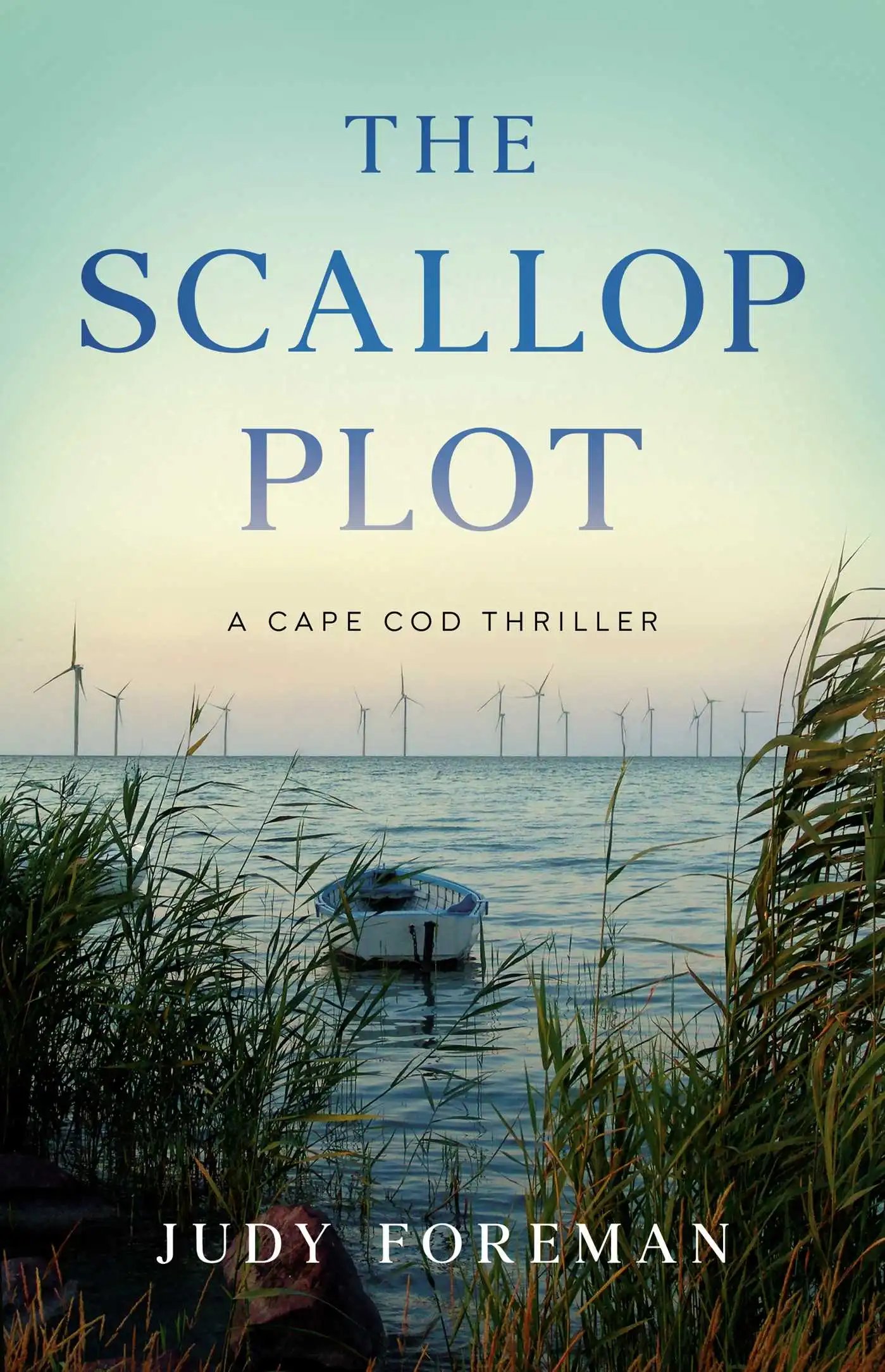
The recent release of The Scallop Plot, a narrative exploration of Cape Cod’s maritime landscape, has sparked a curious divide between regional enthusiasts and environmental advocates. While the book serves as a competent primer on the history of the Cape’s coastal identity, critics and environmental scientists are increasingly pointing to its limitations regarding the actual ecological challenges facing the region’s shellfishing industry.
At its core, The Scallop Plot attempts to weave the cultural tapestry of the Cape’s iconic bay scallop (Argopecten irradians) industry with the personal stories of those who harvest them. The book succeeds in cataloging the romanticism of the small-boat fishery, effectively documenting the shift from a robust, community-driven resource to a precarious enterprise. Readers looking for an entry-level education on why the Cape holds such a specific place in the American imagination will find the text informative. However, for those seeking a substantive analysis of the current environmental crisis—specifically the collapse of eelgrass beds and the impacts of nitrogen loading—the book falls conspicuously short.
Cape Cod’s bays are currently ground zero for a complex ecological tug-of-war. The decline of the bay scallop is not merely a tale of overfishing or bad luck; it is a direct consequence of habitat loss. Bay scallops rely almost exclusively on eelgrass (Zostera marina) for protection during their larval and juvenile stages. Over the past several decades, excessive nitrogen runoff from septic systems and lawn fertilizers has fueled algae blooms that cloud the water, choking out the light that eelgrass requires to survive. As the grass vanishes, so too does the nursery ground for the scallops.
By framing the decline of the scallop primarily through a nostalgic or human-interest lens, The Scallop Plot misses an opportunity to address the urgency of these systemic issues. While the book acknowledges that “things have changed,” it avoids a rigorous examination of the local policy failures that have allowed nutrient levels to reach critical tipping points. Experts in marine biology suggest that if public understanding of the Cape’s environment is to reach a level where effective policy changes can occur, literature and reportage must move beyond the “tragedy of the lost harvest” and toward the “mechanics of the ecosystem.”
The distinction between a local interest piece and an environmental critique is significant. A book that romanticizes the “plot” of the scallop fisherman without detailing the hard science of nitrogen sequestration or the mitigation strategies offered by oyster bed restoration risks keeping the public in a state of passive appreciation rather than informed activism. As climate change accelerates the warming of coastal waters—further stressing scallop populations that are already at the southern edge of their native range—the need for accurate, science-driven narratives becomes paramount.
For residents and visitors, The Scallop Plot offers a pleasant, albeit superficial, tour of Cape Cod’s maritime legacy. It serves as a testament to a lifestyle that is rapidly disappearing. Yet, as a tool for environmental advocacy or scientific literacy, its impact is negligible. It captures the sentiment of a community mourning its connection to the sea but fails to translate that mourning into an understanding of why the water has changed.
Ultimately, the book represents a missed opportunity to bridge the gap between local heritage and the harsh reality of ecological collapse. If we are to preserve the remaining biodiversity of Cape Cod’s estuaries, we require more than stories about the fishermen of the past; we require a clear-eyed accounting of the environmental conditions that dictate their future. Until such narratives move past nostalgia, the true “plot” of the Cape’s scallop—the story of human impact on a fragile aquatic landscape—will remain largely untold.
Disclaimer: This content is auto-generated for informational purposes only. It has been rewritten and paraphrased from the original source.
Source: Read Original News