









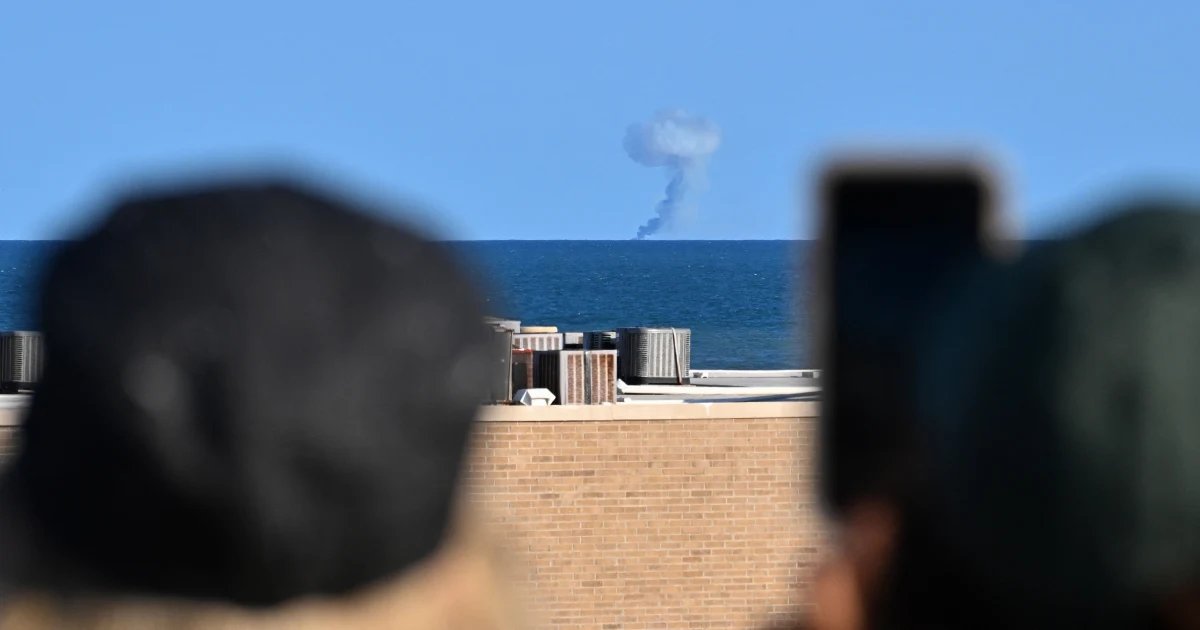
The rapid expansion of the commercial space industry is set to collide with federal environmental oversight as a new legislative push seeks to streamline the rocket launch licensing process. Under current regulations, companies like SpaceX are required to undergo rigorous assessments to determine how their operations—ranging from site construction to daily launch activity—impact local ecosystems, wildlife, air quality, water resources, and nearby human populations. The Federal Aviation Administration (FAA) evaluates these environmental impact statements before granting the necessary permits to operate. However, a developing trend in federal policy suggests that the aerospace industry may soon see these safeguards significantly weakened.
For decades, the National Environmental Policy Act (NEPA) has served as a cornerstone of environmental law, requiring federal agencies to analyze the ecological consequences of their actions. When SpaceX or other aerospace firms propose the construction of a new spaceport or a new flight trajectory, they must provide data on potential environmental disruptions. In regions like South Texas or the coast of Louisiana, where spaceports are often located near sensitive wetlands and protected wildlife habitats, these reviews are critical. They serve as the primary mechanism for mitigating harm to endangered species, managing noise pollution, and preventing the degradation of local water tables.
The argument for regulatory reform stems from the industry’s desire to maintain a competitive pace. As the frequency of launches increases—driven by global demand for satellite internet constellations and long-term lunar and Martian exploration goals—the aerospace sector has characterized existing FAA review processes as cumbersome and outdated. Proponents of the proposed changes argue that the current pace of federal review is stifling innovation and allowing international competitors to gain an advantage. By shifting toward more automated licensing or creating “categorical exclusions,” the federal government could theoretically allow companies to bypass the most time-consuming segments of environmental scrutiny.
Environmental advocates, however, warn that stripping away these layers of review could lead to irreversible ecological damage. The environmental footprint of a rocket launch is not limited to the immediate blast zone. It involves the heavy transport of hazardous propellants, the destruction of coastal marshes during infrastructure development, and the deposition of combustion byproducts, such as alumina and soot, into the upper atmosphere. Scientists have repeatedly expressed concern that as launch frequency scales up, the cumulative effect of these launches on the ozone layer and local air quality remains under-researched.
If the FAA moves to expedite licensing by reducing the scope of NEPA requirements, it effectively shifts the burden of environmental oversight away from the federal regulator and onto the public and local jurisdictions. This transition often leaves communities near launch sites with little legal recourse to challenge industrial expansion. In the case of SpaceX’s Starbase facility in Boca Chica, Texas, legal battles have already highlighted the tension between private enterprise and the preservation of protected lands, with local advocacy groups repeatedly filing lawsuits against the FAA for failing to account for the true ecological cost of the site’s operations.
The potential deregulation of space launch activities reflects a broader national trend of prioritizing economic growth and the “New Space” race over traditional environmental safeguards. While the Biden administration and various members of Congress have signaled a willingness to help the domestic space industry accelerate its output, the move to curtail environmental impact assessments remains controversial.
As the debate intensifies, the primary challenge for federal regulators will be to determine whether a streamlined path to orbit can coexist with the protection of Earth’s own fragile ecosystems. If companies like SpaceX are granted the ability to bypass significant environmental assessments, the aerospace industry will be operating in a new, less-regulated paradigm. For environmentalists, the concern is clear: in the rush to reach the stars, the regulatory frameworks designed to protect the home planet are at risk of being left behind.
Disclaimer: This content is auto-generated for informational purposes only. It has been rewritten and paraphrased from the original source.
Source: Read Original News