









Defence Ministry Approves Mega Rs 1.10 Lakh Crore Procurement to Bolster Armed Forces
New Delhi: In a major push toward modernizing India’s military infrastructure, the Defence Acquisition Council (DAC), presided over by Defence Minister Rajnath Singh, has cleared a massive procurement package worth Rs 1.10 lakh crore. This substantial investment aims to significantly enhance the operational capabilities of the Indian Army, Navy, and Air Force while reinforcing the nation’s commitment to “Aatmanirbhar Bharat” (self-reliance in defence manufacturing).
The Ministry of Defence announced that 98 percent of the equipment slated for acquisition will be sourced from domestic manufacturers, marking a pivotal shift in the country’s defense procurement strategy.
Strengthening the Indian Army’s Combat Prowess
The bulk of the approvals focuses on modernizing the Army’s terrestrial combat assets. Key procurements include Chemical Biological Radiological and Nuclear (CBRN) reconnaissance vehicles, which are essential for detecting and monitoring zones exposed to hazardous threats. To ensure superior mobility across challenging Indian borders, the Army will acquire advanced high-mobility vehicles (HMVs).
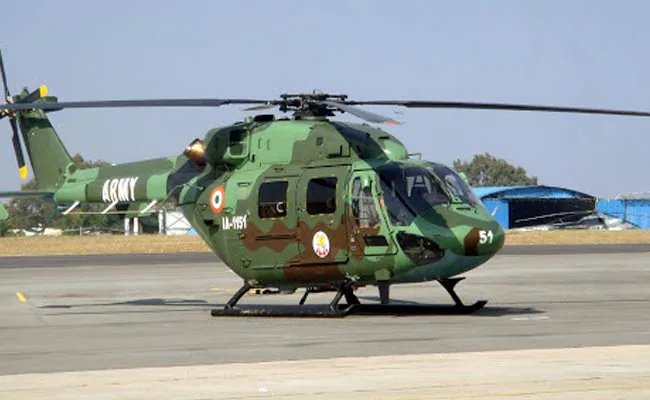
Furthermore, the Army is set to enhance its combat engineering capabilities with the introduction of self-propelled mechanical mine layers (MML) and the Sarvatra bridge system. These assets are vital for maintaining troop mobility and facilitating bridge-crossing maneuvers in active battlefield environments. Additionally, the induction of trawl tanks will allow forces to traverse minefields safely, while the acquisition of advanced light helicopters (ALHs) will provide crucial aerial support for both Army and Air Force missions across diverse geographical terrains.
Technological Upgrades for the Indian Navy
The Navy is set to undergo a significant technological overhaul with the clearance of Arudhra radars. These advanced systems are designed to replace aging air-route surveillance equipment at various naval air stations, significantly improving the maritime force’s situational awareness and surveillance reach.
In a move aimed at curbing long-term reliance on foreign suppliers, the DAC has also sanctioned the indigenous design, development, and procurement of Marine Gas Turbines (MGT). As a primary propulsion system for frontline warships, this shift toward domestic development of MGTs is viewed as a strategic victory for India’s naval engineering sector.
Enhancing Air Force Electronic Warfare
The Indian Air Force (IAF) is also slated for major upgrades, particularly in the realm of electronic warfare and data security. The procurement of Ground-Based Multi-Purpose Jammers (GBMPJ) will equip the IAF with the capability to effectively neutralize and disrupt adversary radar networks, thereby shielding its fighter and transport fleets during critical missions.
Additionally, the ministry has approved the rollout of a secure access card system for the defence forces, designed to tighten infrastructure security and ensure robust authentication protocols across all air force installations.
A Vision for Self-Reliance
By ensuring that nearly the entirety of this Rs 1.10 lakh crore budget remains within the Indian industrial ecosystem, the government is not only arming its soldiers with cutting-edge indigenous technology but is also driving the growth of the local defence manufacturing sector. This milestone decision reflects a long-term roadmap to reduce dependence on imports and establish India as a global hub for high-end military hardware production.
Disclaimer: This content is auto-generated for informational purposes only.
Source: Read Original News