







DNA Samples Sought as Search Intensifies for Indians Missing in Tibet-Nepal Border Flood
BEIJING – The Indian Embassy in China issued an urgent appeal on Monday, requesting that families of Indian nationals missing since the catastrophic August 26 flash floods provide DNA samples to assist in the identification process. This diplomatic step follows confirmation from Chinese authorities that they are now prepared to process genetic data to account for the hundreds of people still unaccounted for following the disaster.
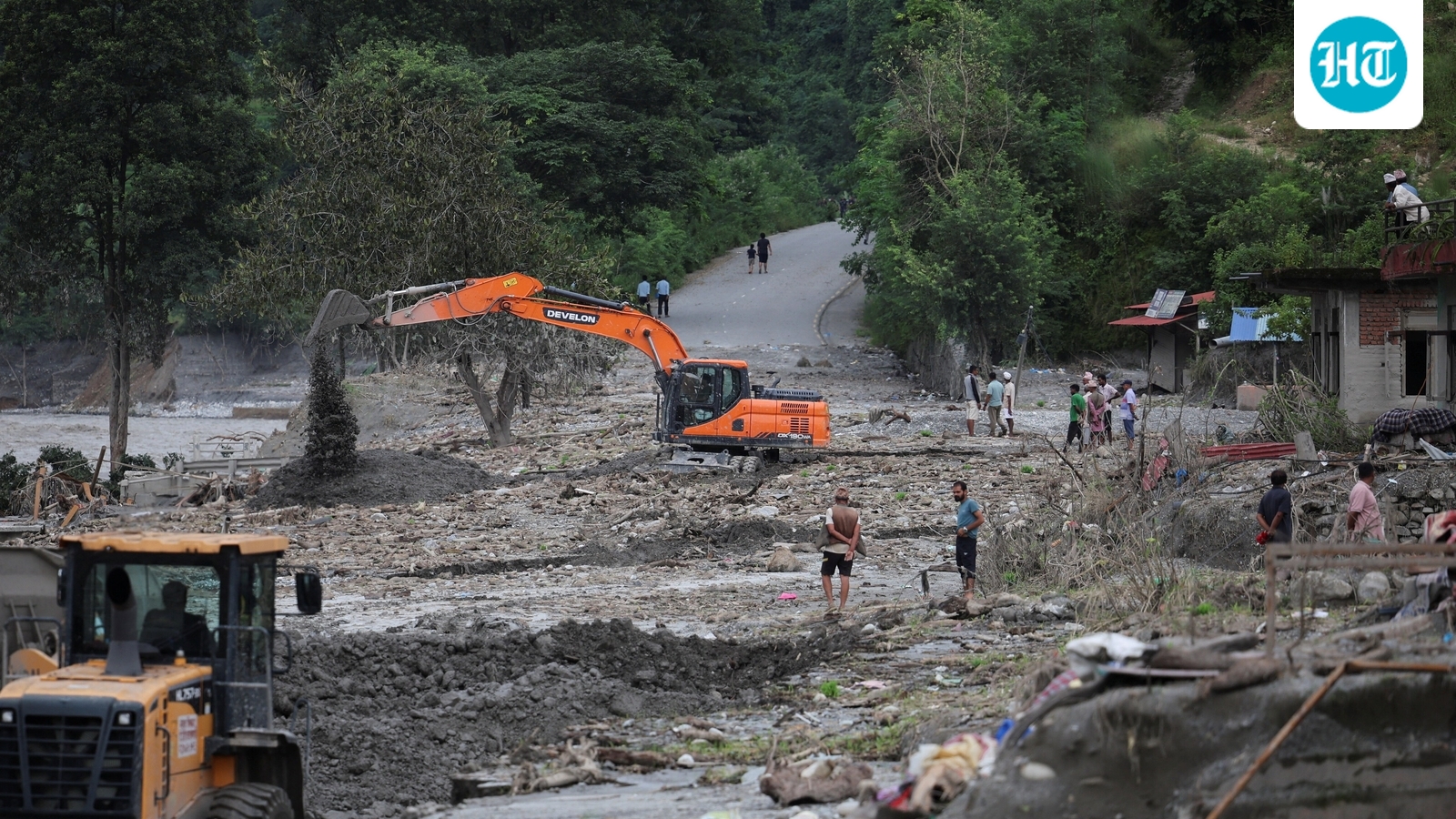
The flooding, which originated from a massive ice-rock avalanche near the Tibet-Nepal border, triggered a devastating surge of water and debris down the Bhotekoshi River. The force of the deluge swept through northern and central Nepal, obliterating infrastructure and trapping travelers and residents alike.
A Massive Humanitarian Challenge
As of Sunday, Chinese officials have officially confirmed the death toll has reached 43. However, the scale of the tragedy remains immense, with 519 individuals still listed as missing. Among those, 261 are foreign nationals, including 49 Indian citizens. Many of these victims were reportedly in or near an immigration facility at the time the floodwaters struck, leaving them with little chance of escape as the area was inundated with mud and rock.
The Identification Process
To streamline the identification of recovered remains, the Indian Embassy is coordinating with Chinese forensic teams. The mission has outlined a specific protocol for families who wish to contribute genetic markers. Data must be provided in the internationally recognized CODIS format, a standard used for DNA profile storage and comparison.
The Embassy’s guidelines for sample collection are rigorous to ensure the highest probability of a match:
- Primary donors: Blood samples should ideally be collected from the parents, spouses, or children of the missing individuals.
- Secondary donors: In instances where direct descendants or parents are unavailable, siblings are the next preferred source.
- Alternative donors: If necessary, maternal or paternal cousins may provide samples, provided that the relationship is clearly documented.
For male victims, the submission must include both DNA STR data and Y-STR data to facilitate accurate identification. Each sample must be clearly labeled with the victim’s name, nationality, and passport number, alongside the identification details of the family member providing the sample.
The Embassy has assured families that it will act as the primary liaison. Once a sample is submitted and forwarded to Chinese authorities, the mission will monitor the analysis process and immediately notify the concerned families if a successful match is confirmed.
Contact and Support
The disaster has left families in a state of profound anxiety, and the Indian government is working to ensure that the recovery efforts are as thorough as possible. Those who need guidance or wish to initiate the process of DNA submission are encouraged to reach out to the Indian Embassy in Beijing directly.
Support teams can be contacted via telephone at +86 18514284905 or through email at cons1.beijing@mea.gov.in. As search and recovery operations continue along the rugged terrain of the border, these DNA profiles represent the most viable hope for families seeking closure in the wake of this unprecedented environmental catastrophe.
Disclaimer: This content is auto-generated for informational purposes only.
Source: Read Original News