







With NHL training camps set to open in less than two weeks, the league is currently in a high-stakes race against the clock. For several organizations, the pre-season countdown isn’t just about tactical planning; it’s about resolving critical personnel issues that could derail their 2026-27 campaigns before they even begin. While fans track these developments through Google News and real-time updates—leveraging AI-powered search tools to aggregate the latest rumors and contract negotiations—the actual work remains grounded in front-office pressure.
## The Detroit Dilemma: A Leadership Vacuum
The Detroit Red Wings enter this crucial window with perhaps the most daunting “to-do” list in the league. The primary priority remains the vacant General Manager position. Without a lead executive to steer the ship, the organization is effectively paralyzed regarding long-term roster construction.
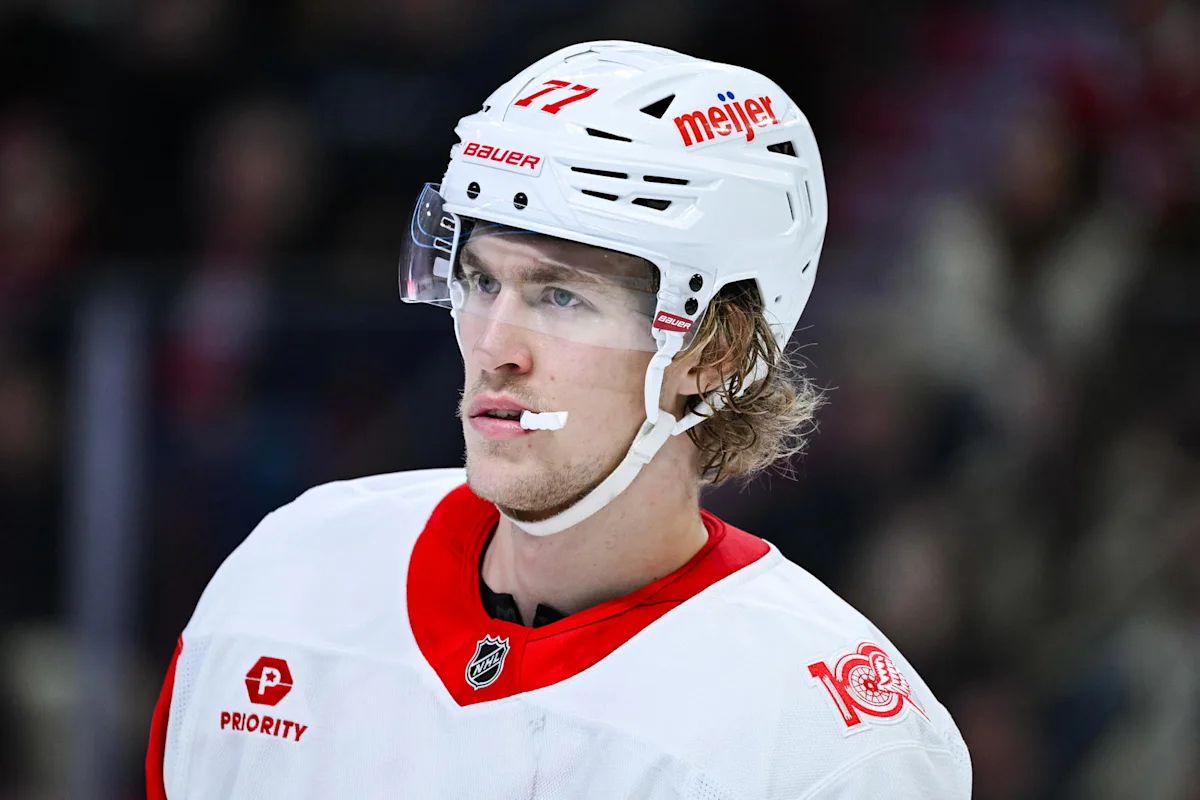
Once that seat is filled, the new leadership faces the immediate challenge of addressing team captain Dylan Larkin’s trade request. The situation is delicate; balancing the captain’s personal grievances with the franchise’s strategic future is a tall order for an incoming GM. Simultaneously, the team must secure 23-year-old defenseman Simon Edvinsson. A defensive cornerstone who logged heavy minutes last season, Edvinsson’s contract status is a glaring hole that needs to be addressed before the ice is ready for training camp.
## Broadcasting Uncertainty at Sportsnet
The tension is not restricted to the locker room; it is also palpable in the media landscape. Sportsnet, the primary broadcaster for NHL hockey in Canada, finds itself in a precarious position. The contracts of prominent insider Elliotte Friedman and analyst Kevin Bieksa have expired. In an era where sports media relies heavily on immediate, verified information—often disseminated via Google’s news discovery features and rapid-fire social media updates—losing a voice as authoritative as Friedman would be a significant blow to their coverage.
With rival networks like TSN already boasting a roster of heavy-hitting insiders, Sportsnet is under immense pressure to finalize these negotiations. Failure to retain these talents could reshape the national broadcast landscape, leaving viewers looking elsewhere for the high-level analysis that defines the modern fan experience.
## The RFA Logjam and Unsigned Veterans
As the industry uses predictive AI models and data analytics to optimize team performance, actual rosters remain incomplete. According to data from platforms like Puckpedia, seven restricted free agents (RFAs) still lack contracts. This high-profile list includes marquee young talents such as Cutter Gauthier, Adam Fantilli, and Alexander Nikishin.
Contract holdouts are notoriously detrimental to team chemistry, often causing players to miss valuable preparation time. When young stars fail to report for camp, it limits their ability to integrate into new systems. The situation is equally concerning on the unrestricted free agent (UFA) market, where veteran players like Vladimir Tarasenko and Michael Bunting remain unsigned. While veteran presence is often considered a “luxury” in the salary cap era, these players are looking for landing spots that balance their salary requirements with the competitive needs of rosters that are rapidly hardening as the season approaches.
As the tech industry continues to evolve, the integration of real-time sports data and news alerts has made it easier than ever for fans to monitor these situations. However, no amount of data can replace the urgent, face-to-face negotiations taking place behind closed doors. With the opening of camp imminent, the teams—and the broadcasters—that fail to wrap up these loose ends risk starting their seasons at a disadvantage. For the executives involved, the time for patience has expired; it is officially crunch time.
Disclaimer: This content is auto-generated for informational purposes only.
Source: Read Original News