




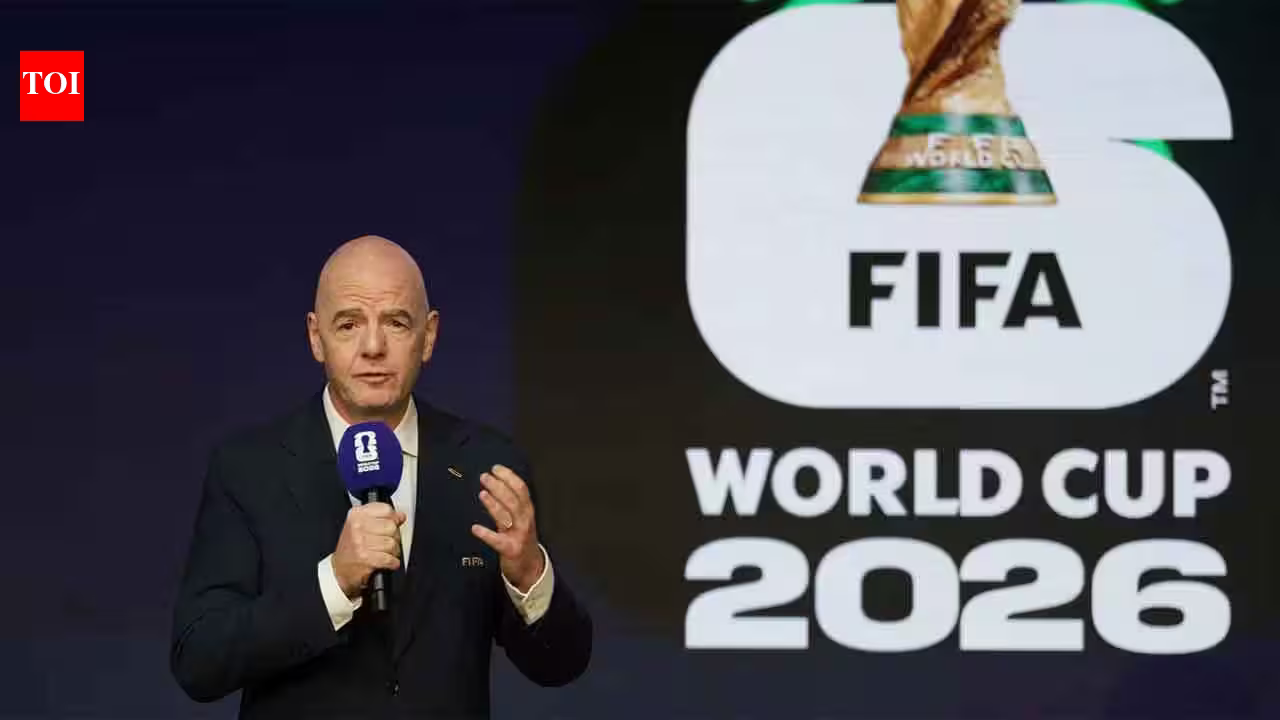
ZURICH — In a move that has sent shockwaves through the corridors of power in international football, FIFA President Gianni Infantino has officially reaffirmed his intention to seek a fourth term in office. Despite a mounting tide of opposition from key stakeholders and growing scrutiny over his financial strategies, the governing body confirmed on Sunday that Infantino remains steadfast in his pursuit of a mandate that would extend his leadership until 2031.
The announcement puts an end to speculation regarding a potential departure, underscoring the determination of the 54-year-old executive to maintain his grip on the organization despite arguably the most tumultuous period of his tenure.
Infantino Stands His Ground Amidst Dissent
The confirmation from a FIFA spokesperson was concise yet definitive. “The FIFA President announced in April that he will stand for re-election in 2027. Of course, nothing has changed. Mr. Infantino will be standing for re-election,” the statement read.
This decision comes at a time when the political landscape within FIFA is increasingly fractured. Infantino, who first ascended to the presidency in 2016 following the fallout of the organization’s widespread corruption scandals, is now facing a significant breakdown in relations with some of the most influential bodies in the sport.
The primary catalyst for this discord has been Infantino’s ambitious—and highly controversial—proposal to sell stakes in the profits of the FIFA World Cup via a newly minted commercial subsidiary. The plan, which critics argue threatens the foundational integrity and sovereign control of the sport’s most prestigious event, has been met with fierce resistance.
UEFA and National Associations Pivot
Perhaps the most damaging blow to Infantino’s political capital has been the vocal opposition from UEFA. European football’s governing body, long a pillar of FIFA’s internal power structure, has made no secret of its waning confidence in the current leadership. The friction has reached a point where threats of boycotts regarding future FIFA tournaments, including the quadrennial World Cup, have been floated in diplomatic backchannels.
The discontent is not limited to continental confederations. Several high-profile national associations have moved to distance themselves from the President. The English Football Association (FA) is among those who have officially withdrawn their support for Infantino’s re-election, signaling a widening chasm between the FIFA headquarters in Zurich and the heartbeat of European football.
These defections represent a significant shift from the broad coalition of support that characterized Infantino’s early years. For many of these associations, the failed commercialization scheme was not merely an administrative blunder, but a symptom of a leadership style that they believe prioritizes financial extraction over the long-term health of the global game.
The “Right Time” for Reckoning
Infantino himself appeared to be in a reflective, albeit cautious, mood during his arrival at the opening of the Under-20 Women’s World Cup in Poland this past Saturday. When pressed by reporters on the political firestorm surrounding his candidacy, he deftly sidestepped the issue while acknowledging that a larger confrontation is inevitable.
“There will be a lot to say, but there will be a right place and a right time to say this,” Infantino told Sky News. “It’s not today, it’s not here, but here and today, we are enjoying football.”
This rhetoric suggests that the President is prepared to weather the current PR storm, likely banking on his ability to consolidate support from member associations in regions where his infrastructure development initiatives remain popular. However, his “wait and see” approach stands in stark contrast to the urgency felt by his critics, who view the coming months as a critical window to challenge the direction of the governing body.
Managing the Fallout of Financial Missteps
The tension is exacerbated by recent internal admissions of failure. FIFA recently issued a formal apology regarding the mistakes made during the development and attempted rollout of the aforementioned commercial subsidiary plan. While the organization pledged to implement procedural safeguards to “ensure they do not happen again,” the gesture has done little to quell the skepticism of those who believe the damage to the organization’s reputation is already done.
For the critics, the apology is merely a tactical retreat that fails to address the underlying philosophy of the FIFA leadership. As the political maneuvering intensifies, the clock is ticking toward the administrative reality of the election cycle.
The formal deadline for candidates to submit their bids for the FIFA presidency is November 18, exactly four months prior to the scheduled vote. As it stands, Infantino is the clear front-runner, but he will face a rigorous campaign season that will test his ability to hold together a fractured coalition. Should he succeed in securing a fourth and final term, he will remain at the helm until 2031, effectively shaping the next decade of international football.
For now, the football world watches with bated breath, waiting for the “right time” and the “right place” for Infantino to address the growing chorus of dissent that threatens to define—and potentially derail—his legacy.
Disclaimer: This content is auto-generated and paraphrased.
Source: Read Original News